Transforming lives through outreach
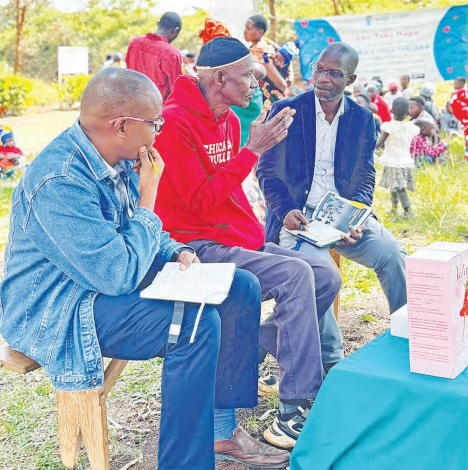
TANZANIA: MARIE Stopes Tanzania (MST), a leader in sexual and reproductive health (SRH) services, has made remarkable strides in advancing the well-being of Tanzanians through its comprehensive outreach programs. With an unwavering commitment to inclusivity, accessibility and client-centered care, MST has impacted millions across all regions of mainland Tanzania and Zanzibar.
In an exclusive interview, Patrick Kinemo, the Country Director of Marie Stopes Tanzania, discusses with our Senior Journalist, Antony Tambwe, the organisation’s outreach strategy, the transformative role of Community Health Workers (CHWs), the critical support provided to government health systems and the measurable results MST has achieved in saving lives and improving reproductive health outcomes.
Q: Marie Stopes Tanzania has become a household name in SRH services across Tanzania. Can you tell us about MST’s outreach model and how it operates?
A: Absolutely. Our outreach model is a core component of how we deliver services across Tanzania. We currently operate the largest SRH outreach channel in the country, and our approach is very strategic and inclusive. Essentially, our outreach teams are mobile units that travel to public health facilities, particularly in remote, underserved and marginalised areas.
These teams are composed of skilled medical professionals and support staff, and they set up temporary service delivery points within government health facilities. We work in close collaboration with local health authorities to ensure the continuity and integration of our services. Our goal is to reach high-impact populations, especially adolescents, people living in rural or hard-to-reach areas and those who might otherwise face barriers to accessing SRH care.
Each team is well-equipped to provide a wide range of services, from counselling to the provision of long-acting reversible contraceptives (LARCs), which are among the most effective family planning methods. Importantly, we focus on informed choice, client satisfaction and safety at every step.
Q: Outreach often requires building trust with communities. How does MST engage communities before and during outreach campaigns?
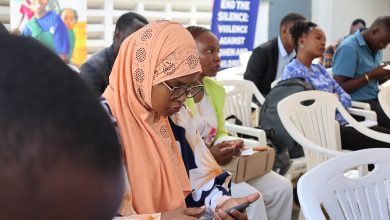
A: That’s a very important point. Trust and community engagement are at the heart of our outreach success. Before any outreach campaign begins, we invest significantly in demand generation activities to raise awareness and prepare the community.
We use multiple channels to do this. One key method is mobile announcements. Our vehicles move around the community prior to the outreach day, sharing information through loudspeakers about the services we will offer, the location and the timing. These announcements are delivered in local languages to ensure that everyone understands.
But perhaps even more crucial is our collaboration with Community Health Workers (CHWs). These individuals are selected from within the community and are trained by MST to deliver accurate, culturally appropriate SRH information. They play a pivotal role in dispelling myths and misconceptions about contraception and other SRH services. CHWs also refer clients to the outreach locations and often follow up with them afterward. This grassroots-level engagement has been extremely effective in building trust and increasing service uptake.
Q: You mentioned the provision of Long-Acting Reversible Contraception (LARC). How does MST support the government health system in delivering these services?
A: LARCs, such as implants and intrauterine devices (IUDs), are highly effective but require trained providers and appropriate infrastructure. This is where MST adds value to the public health system.
We don’t just deliver services, we build capacity. Our outreach teams work side by side with government health providers, offering hands-on training and mentorship in the provision of LARC methods. This capacity strengthening helps ensure sustainability, so that even after our outreach teams have left, the local providers can continue offering high-quality SRH services.
Additionally, we ensure that all outreach sites are stocked with reliable, high-quality equipment.
Q: The numbers from your 2024 performance report are impressive. Could you share some of the key impacts your outreach program achieved this year?
A: We are very proud of the results from our 2024 outreach operations. Across our outreach teams, we served 1,554,913 clients. What is particularly encouraging is that 21 per cent of these were young people under the age of 20, reflecting our focus on youth-friendly services and adolescent access.
In terms of health outcomes, our services contributed to 5,593,855 Couple Years of Protection (CYP). This metric reflects the estimated protection provided by contraceptive methods over a one-year period, and it’s a strong indicator of impact. More tangibly, our efforts helped avert 2,934 maternal deaths and 752,156 unsafe abortions.
These numbers are not just statistics. They represent real lives saved, real families supported and real young people empowered to make informed decisions about their reproductive health.
Q: Delivering high-quality healthcare in remote areas is not without challenges. What are some of the main obstacles your teams face in the field, and how do you overcome them?
A: Indeed, outreach work in Tanzania’s diverse geography comes with significant logistical, infrastructural and even cultural challenges. For example, some areas are only accessible by foot or boat, especially during the rainy season. Equipment and personnel must often be transported over long distances, which requires meticulous planning and reliable vehicles.
Cultural barriers also persist in some communities where myths around contraception are deeply entrenched. In such cases, our CHWs play a critical role in education and sensitisation. They act as a bridge between modern healthcare and traditional belief systems. We also prioritise the safety and well-being of our staff, especially in high-risk or remote areas, by ensuring strong operational protocols and communication systems.
And thanks to our collaborative relationships with local governments and community leaders, we often receive support that helps us navigate these challenges.
Q: How does MST ensure quality of care, especially when operating across such a wide geographical area?
A: Quality is non-negotiable at MST. We ensure that all our service providers are competent, well-trained, supported and regularly supervised. We have stringent protocols for informed consent, client record keeping and clinical safety.
Client satisfaction is central to everything we do. We emphasise informed choice, ensuring clients receive accurate information about all available contraceptive methods and can select the one that best suits their needs and preferences. We also conduct periodic audits and client feedback surveys to continuously improve service delivery.
Moreover, our teams operate using standardised tools, checklists and equipment to ensure consistency and adherence to national and international quality standards.
Q: Looking ahead, what is the vision for the future of outreach in MST? Are there any new initiatives on the horizon?
A: The future for MST’s outreach program is exciting. We are exploring digital innovations to enhance our outreach effectiveness, such as mobile-based client follow-ups and data collection tools that provide real time feedback for rapid decision making.
We also aim to expand our reach, particularly to underserved areas and nomadic communities. Another priority is strengthening youth engagement, both through CHWs and peer educators who can relate to the unique concerns of adolescents.
Additionally, we want to deepen our partnerships with government and private sector actors to ensure that the SRH services we provide are embedded into a sustainable, resilient healthcare system.
ALSO READ: Tanzania, France strengthen health ties
Ultimately, our vision is a Tanzania where every individual, regardless of location or socioeconomic status, has access to the SRH services they need to lead a healthy, empowered life.
Q: In conclusion, what message do you convey?
A: The future for MST’s outreach program is exciting. We are exploring to extend other Reproductive health services to enhance our outreach effectiveness, and impact the communities in hard to reach areas.
Additionally, we want to deepen our partnerships with government and private sector actors to ensure that the SRH services we provide are embedded into a sustainable, resilient healthcare system.
Ultimately, every individual, regardless of location or socioeconomic status, has access to the SRH services they need to lead a healthy, empowered life.