Tanzania sets strategies for regions facing cholera threat
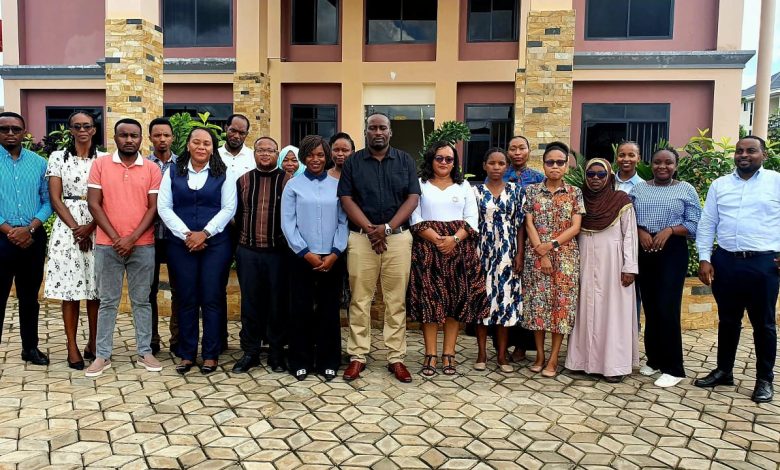
MOROGORO: THE Tanzanian government has continued to set ambitious strategies to combat cholera,especially during this wet season, including building preparedness for health professionals, while naming regions at risk.
Speaking while opening training seminar for laboratory specialists in Morogoro Region, the Representative of the Director General of the National Laboratories, Seif Abdul, said the regions at risk are Songwe, Rukwa, Mbeya, Iringa, Morogoro, Singida, Dodoma, Manyara, Tanga, Arusha, Mara, Kigoma, Mwanza, Dar es Salaam and Ruvuma Regions.
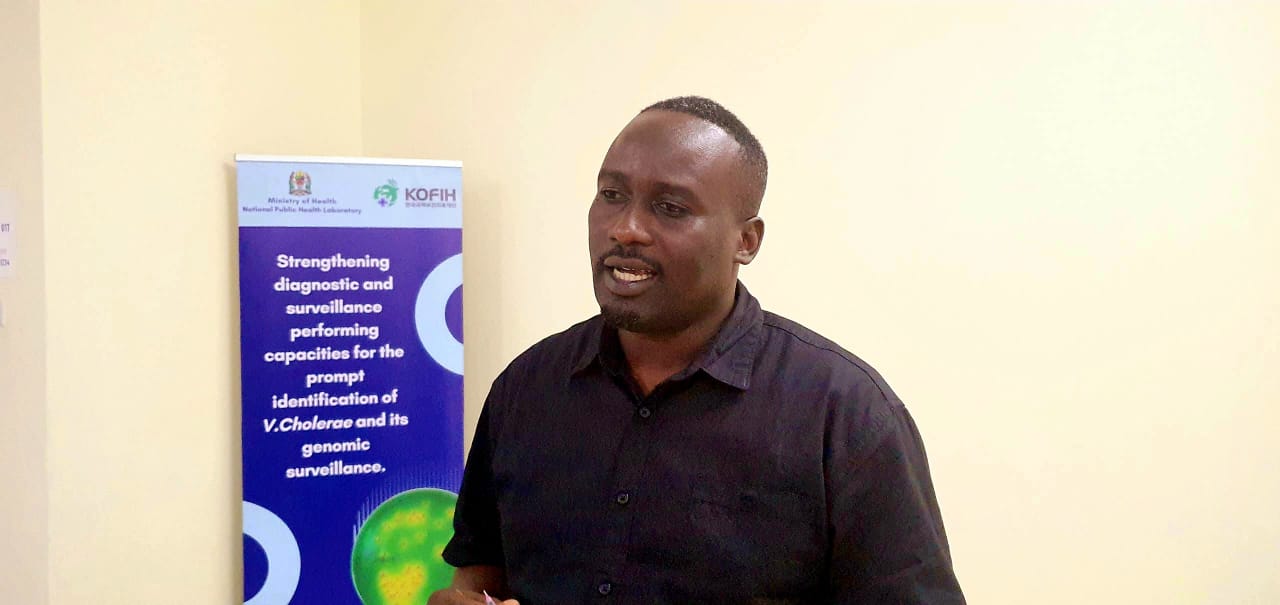
“The government is continuing its efforts to strengthen community health and respond to cholera outbreaks by conducting special training aimed at increasing preparedness and capacity to respond to cholera at the grassroots level.
He said the training involves districts in regions identified as being at risk of a cholera outbreak.
Abdul said that the main objective of the training is to strengthen the preparedness of experts at the regional and district levels so that they are prepared to ensure a rapid and effective response when a cholera outbreak occurs.
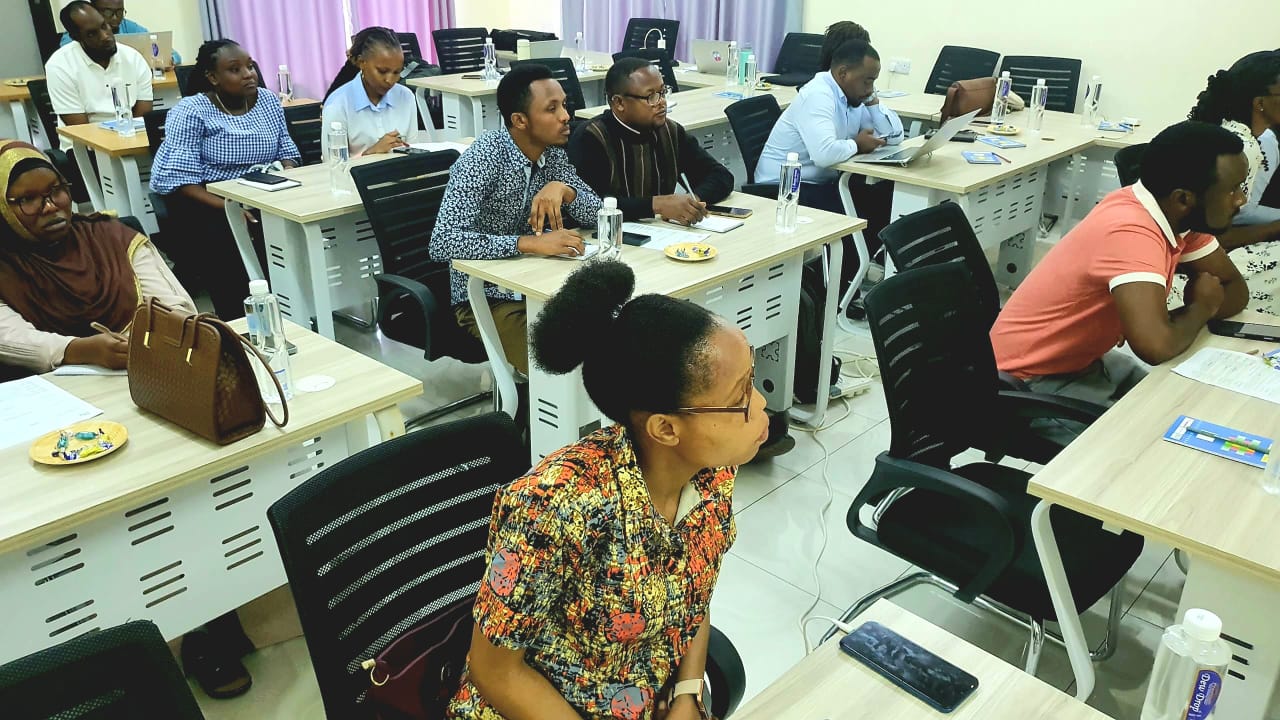
Giving an introductory speech, one of the trainers from the National Laboratory, Emmanul Magembe, said that participants during the training will be provided with understanding about international guidelines for cholera surveillance as well as the use of a special mobile application (cholera app) when responding to outbreaks.
In another step, the training also aims to build the capacity of health professionals in the correct collection of samples of the disease and its transportation for examination at the national laboratory.
“We hope that participants will have the opportunity to exchange experience and lessons learned from previous efforts to prepare for and control cholera in the country.
According to the organizers, the expected outcomes of the training include each health facility being able to properly collect and transport samples, provide rapid responses using rapid diagnostic tests (RDTs), as well as properly use the GTFCC program during outbreaks.
KOFI Project Coordinator, Olimpia Machange, who is collaborating with the Government to provide the training, said the five-year project began training experts at the Regional level and has now moved down to the District level to bring services closer to the citizens.
This step is seen as important in protecting the health of the citizens and preventing the serious consequences that can be caused by cholera outbreaks, especially in high-risk areas.
ALSO READ: Tanzania unveils three strategies in its efforts to combat diseases
The Government has promised to continue collaborating with various stakeholders to ensure that health systems in the Country are strengthened and ready at all times.