TBL unveils water conservation strategy to protect the environment
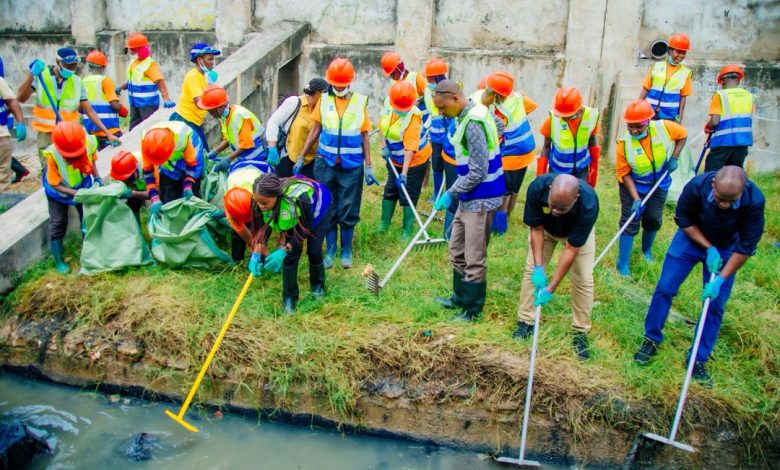
DAR ES SALAAM: TANZANIA Breweries Limited (TBL) has rolled out a comprehensive strategy aimed at reducing water consumption in beer production while ensuring all wastewater is treated before being safely discharged back into the environment.
The initiative is part of broader efforts to protect water resources and biodiversity, while safeguarding sustainable water sources for current and future generations.
Speaking in Dar es Salaam today, March 26, 2026, during a cleanup exercise along a drainage channel carrying water from Mchikichini to the Msimbazi River, TBL Dar es Salaam Manager Patel Kilaveli said the company recognizes its responsibility in water conservation.
“As major water users, we have a duty to actively participate in efforts to preserve this vital resource, given that the product we manufacture depends entirely on natural water,” said Kilaveli.
He noted that the commemoration of World Water Day every year on March provided an important platform for stakeholders to reflect on responsible water usage.
“We have joined other stakeholders to assess the best ways to conserve water. Since our production relies on clean water, it is essential to protect it and return it safely to ensure its continued availability,” he said.
Kilaveli added that TBL is targeting further reductions in the volume of water used to produce a unit of beer by 2030, noting that significant progress has already been made toward achieving that goal.
Beyond internal measures, the company is also supporting community initiatives aimed at protecting water sources through partnerships with various institutions and environmental programs.
“We are empowering residents in Ruvu and Kibaha in the Coast Region to engage in beekeeping as an alternative source of income that contributes to environmental conservation,” he said.
ALSO READ: Lake Victoria basin board steps up water protection efforts
On the investment front, Kilaveli revealed that the company has spent more than Sh2 billion on modern wastewater treatment systems.
“We ensure that all water discharged from the factory does not pose any risk to the environment, biodiversity, or human health,” he said.
Ilala District representative Adrian Kishe commended TBL for improving its wastewater infrastructure, citing notable changes compared to previous years.
“There are clear improvements compared to the past, but it remains important for citizens to actively participate in environmental protection efforts,” said Kishe.
Dar es Salaam City Head of Natural Resources and Environment, Teresia Denis, emphasized that environmental conservation is key to ensuring access to clean and safe water.
“We commend the contribution of various stakeholders, including TBL, in protecting the environment and water sources,” she said.
Denis pointed out that the Mchikichini drainage channel flowing into the Msimbazi River continues to face challenges, particularly from indiscriminate waste disposal.
“This channel passes through residential areas and is affected by improper waste dumping, which contributes to environmental degradation,” she said.
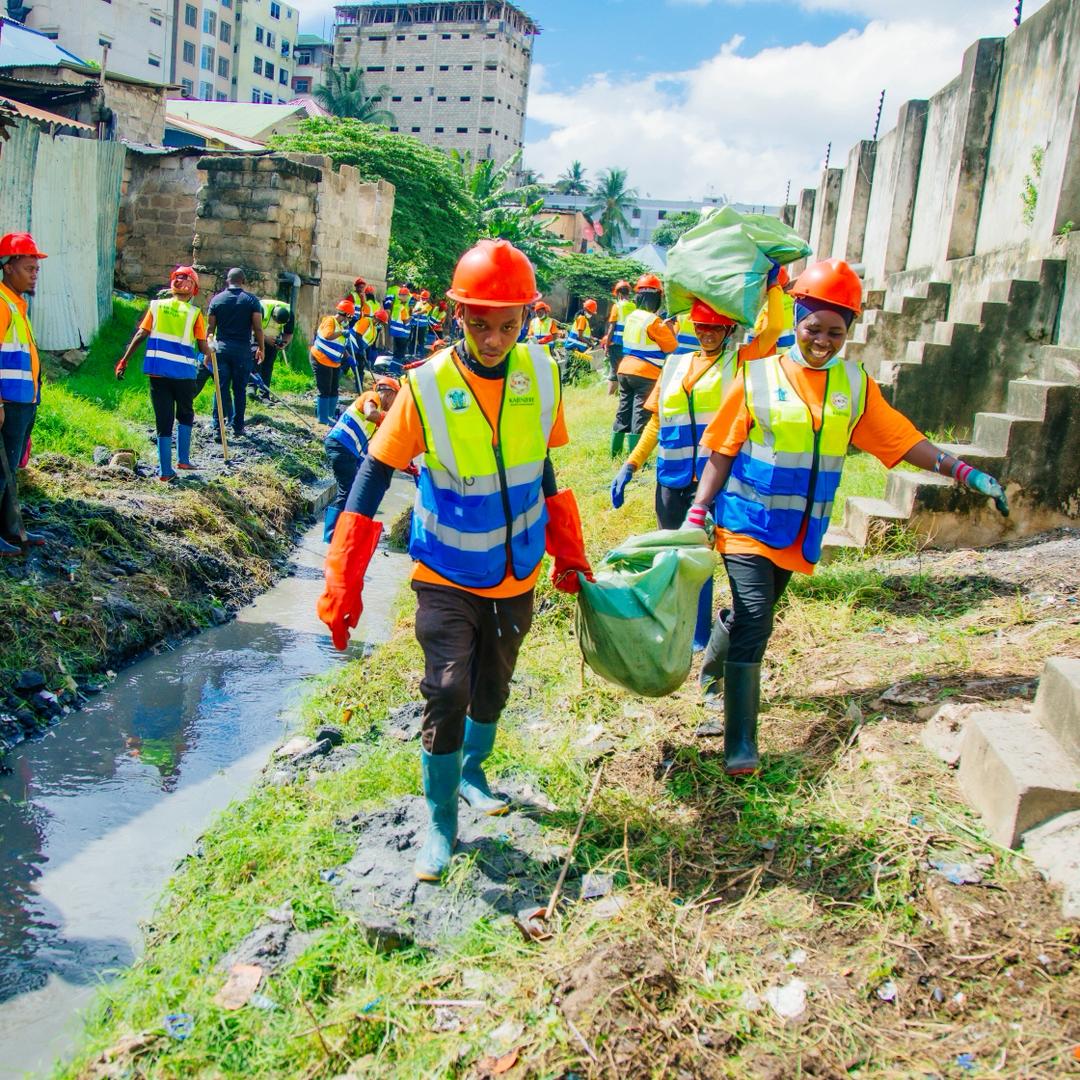
Kajenjele Waste Collection Company director Methew Andrew stressed the importance of maintaining cleanliness, especially during the rainy season.
“The community needs more education on proper waste management and separation to reduce environmental impact,” he said.
Mission Quarter local leader Frank Subiri called for urgent improvements to the drainage infrastructure, warning of flooding risks.
“The channel is filled with sand, causing water to overflow into residential areas. Immediate improvements are necessary,” he said.