

How Tanzania’s inquiry heard a nation in pain
DAR ES SALAAM: DURING periods of national crisis, one of the most important responsibilities of any society is ensuring that citizens are given the opportunity to be heard. People affected by social, political or economic turmoil often need more than political statements or security responses; they need a platform to describe what they witnessed, experienced and endured.
That is one reason why Tanzania’s Presidential Commission of Inquiry into the violence and unrest following the 2025 General Election has been widely noted for the extent to which it involved thousands of citizens in the search for truth and national healing.
In any democracy that values accountability and reconciliation, public participation is essential to building confidence in national institutions.
Rather than limiting itself to information gathered from government offices or official institutions, the commission sought direct engagement with citizens, victims, witnesses and a broad range of social groups in order to develop a fuller understanding of the events that unfolded during and after the election.
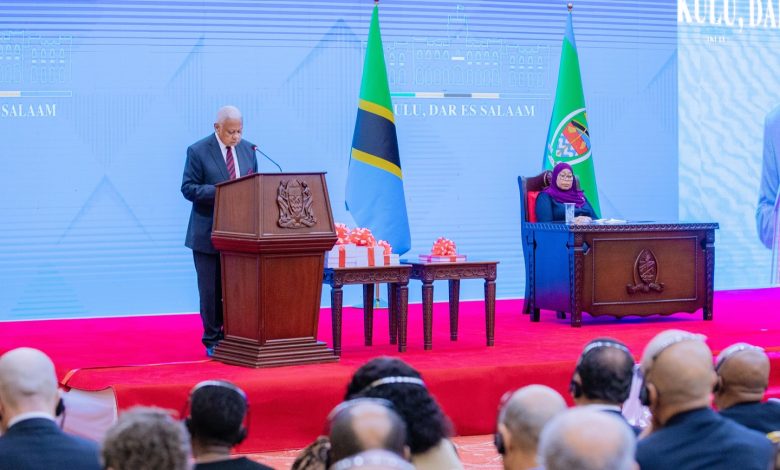
While presenting the commission’s report, its chairman, former Chief Justice Mohamed Chande Othman, emphasised the level of cooperation the commission received from the public.
“There was no one with evidence or views, who willingly wanted to be part of the journey of healing the nation, who was denied the opportunity to reach us,” he said.
His remarks reflected the commission’s broader philosophy that citizens should play an active role in the search for truth and the process of national healing. Rather than conducting a distant or narrowly focused investigation, the commission sought to hear directly from people across different parts of the country.
One of the commission’s principal methods was the use of face-to-face interviews conducted through public hearings and private sessions. Commissioners travelled to areas affected by the unrest across 11 regions and 21 districts, where citizens were invited to present testimony and evidence directly before the inquiry.
The approach proved important in helping establish trust between citizens and the commission. For many people who had lost relatives, suffered injuries or experienced destruction of property, the opportunity to speak before an official national body became part of a broader process of healing and recognition.
According to the report, the largest group interviewed consisted of victims, including bereaved families, injured individuals, people whose relatives had disappeared and citizens whose property had been looted or destroyed. In total, the commission heard testimony from 1,323 victims, while sworn statements were collected from 953 individuals.
In addition to public hearings, the commission also created confidential channels for witnesses who did not feel safe giving testimony openly. In politically sensitive situations, some witnesses fear reprisals, intimidation or wider social consequences if they speak publicly.
Recognising this, the commission established private procedures for individuals wishing to provide confidential evidence. Justice Chande explained the importance of those safeguards.
“All witnesses and informants who did not wish to provide testimony publicly or before open hearings were able to do so privately,” he said.
The measure helped reassure citizens that their testimony would be handled with confidentiality, security and dignity. In investigations of this nature, witness protection is often critical to obtaining truthful accounts from people who might otherwise remain silent.
The commission also demonstrated considerable innovation in its use of technology and communication platforms to reach a wider section of the population. Alongside in-person hearings, citizens submitted views and evidence through emails, text messages, WhatsApp and other communication channels.
According to the report, the commission received 33,250 SMS messages and 23,195 WhatsApp messages, in addition to hundreds of email submissions and written documents delivered directly to its offices. Those figures reflected the scale of public engagement in the process and demonstrated how technology expanded participation, particularly for citizens unable to appear before the commission in person.
Beyond ordinary citizens, the commission also met religious leaders, political party representatives, activists, experts, security officials, small-scale traders, motorcycle taxi riders, vulnerable children and other social groups.
That broad engagement enabled the commission to gather diverse perspectives on the causes of the unrest, its consequences and ways to prevent similar events in the future. In another part of his address, Justice Chande said: “Everyone who communicated with the commission through various channels placed their trust in us and gave us tremendous cooperation.”
ALSO READ: Mwinyi orders swift digital reforms
The statement suggested that many citizens regarded the commission as a legitimate platform through which they could express the truth and contribute to a wider national conversation about the country’s future. From a democratic perspective, the commission’s extensive public engagement offers an important lesson about how accountability institutions should function.
Democracy does not end with elections alone; it also requires mechanisms that allow citizens to be heard, particularly during times of national crisis or political tension. Through its multiple methods of collecting evidence, the commission demonstrated that national truth cannot be established through a single source alone. Genuine understanding requires listening to many voices, victims, witnesses, experts, leaders and ordinary citizens alike.
The broad participation also helped foster a sense of collective ownership over the reconciliation process. When citizens saw that their views were being considered, many felt they had become part of a wider national effort to heal the country. In an era when political polarisation and misinformation have become increasingly common around the world, the experience of Tanzania’s inquiry commission highlights the importance of institutions that place citizens at the centre of truth-seeking processes.
Such participation can help reduce mistrust, strengthen social cohesion and reinforce confidence in national institutions. Ultimately, one of the commission’s most enduring legacies may be the lesson that genuine reconciliation becomes possible when citizens are given the opportunity to be heard.
Through public hearings, confidential testimony, text messages, WhatsApp communications and other forms of engagement, the commission brought together thousands of Tanzanians in a shared national journey towards truth, justice and healing



References:
Legiano Casino Registrierung portal.darwin.com.br
References:
KingMaker einzahlung mastercard
References:
KingMaker Casino um Echtgeld spielen http://forum.zidoo.tv/proxy.php?link=https://yuklink.me/angelitarosent
References:
KingMaker vip bonus lardi-trans.by
References:
Kingmaker Casino Spielangebot utmagazine.ru
References:
Hitnspin casino willkommensbonus toolbarqueries.google.ps
References:
Hit’n’spin casino 25 euro code mercedes-club.ru
References:
Monro Casino Roulette https://tabletennis.businesschampions.ru
References:
Hit’n’spin casino no deposit bonus dawnofwar.org.ru
References:
Hit n spin casino deutsch https://forums-archive.eveonline.com/
References:
Hitnspin casino trustpilot geodesist.ru
References:
Hitnspin casino willkommensbonus https://litsovet.ru/
References:
Lollybet Casino Login http://clients1.google.nr/url?q=http://fixbios.com/proxy.php?link=https://lollybet.com.de/
References:
Lollybet Casino Erfahrungen http://staroetv.su/go?https://music.drepic.com/lenaabrams877
References:
Lollybet Echtgeld m.en.acmedelavie.com
References:
Lollybet Kundenservice https://redirect.camfrog.com/
References:
Hitnspin casino einzahlung http://image.google.co.ma/url?sa=t&rct=j&url=https://www.rosewood.edu.na/profile/myrickcvccheng91777/profile
References:
Hitnspin free spins http://cse.google.com.gh/url?sa=t&url=https://etuitionking.net/forums/users/feetwish1/
References:
Hit’n’spin casino 25 euro bonus ohne einzahlung http://cse.google.com.au/url?q=https://g.clicgo.ru/user/prunermeter76/
References:
Hitnspin freispiele http://clients1.google.vg/
References:
Hitnspin freispiele forums.cardhunter.com
References:
Hitnspin online casino http://image.google.vg
References:
Hit n spin casino app http://cse.google.si/url?sa=i&url=https://bookmarkpress.space/item/hitnspin-casino-erfahrungen-2026-test-kundenmeinungen
References:
Payid pokies online https://movieplays.net/@larhondalabill?page=about
References:
Payid withdrawal pokies unitedpool.org
References:
Instant payid pokies australia https://www.abgodnessmoto.co.uk/
References:
Payid pokies instant withdrawal https://www.webetter.co.jp
References:
Online pokies with payid australia real money
hayal.site
References:
Australia online pokies payid https://git.lncvrt.xyz/
References:
Lollybet Casino Spielautomaten omga-info.ru
References:
Lollybet Casino Registrierung https://www.google.ci
References:
Lollybet Erfahrungen https://56.cholteth.com/
References:
Lollybet Casino Slots http://www.google.cg
References:
Lollybet Gutscheincode https://guru.sanook.com
References:
Lollybet Alternative http://images.google.jo
References:
Lollybet Free Spins http://maps.google.com.sv/
References:
Lollybet Casino Erfahrungen http://forum.cmsheaven.org
References:
Lollybet Casino No Deposit Bonus spbtalk.ru
References:
Ameristar casino east chicago https://erpmark.com/employer/beste-casinos-mit-sportwetten-2026-wettanbieter-mit-casino/
References:
Lollybet Casino Slots http://www.dj-enzo.net/mt/mobile/index.cgi?cat=6&id=1&mode=redirect&no=4&ref_eid=39&url=https://nfccardmaker.com/ybbmaximo6720
References:
Lollybet Bonus ohne Einzahlung http://maps.google.mw/url?q=https://recruitmentfromnepal.com/companies/lollybet-casino-erfahrungen-2026-sicher-oder-ein-betrug/
References:
Lollybet Casino Auszahlung http://maps.google.si/url?q=https://i-medconsults.com/companies/top-online-slots-2026-beste-spielautomaten-im-test/
References:
Lollybet Bonus ohne Einzahlung http://www.google.com.ph/url?sa=t&url=https://thebloodsugardiet.com/forums/users/dustinstubbs857/
References:
Lollybet Cashback https://gitimn.com/mollieo849144
References:
Lollybet Casino Bonus ohne Umsatzbedingungen https://andreunin.junior-report.media/sooncaballero
References:
Payid online pokies australia http://images.google.com.lb/url?q=https://instantcasinodeutschland.de/fr-fr/
References:
Payid pokies https://timemapper.okfnlabs.org/view?url=https://instantcasinodeutschland.de/fr-fr/
References:
Payid pokies https://cprsga.ru/bitrix/redirect.php?goto=https://instantcasinodeutschland.de/fr-fr/
References:
Pistolo Casino Login https://s3.amazonaws.com/new-casino/Stake-Casino-Einzahlung.html
References:
Candy96 Casino minimum deposit https://garagesale.es/author/buttercrow50
References:
Vegaz Casino Bonus http://www.google.com.my/url?q=https://bom.io.vn/samuelvaughan
References:
Candy96 Casino tournaments https://mvacancy.com/companies/candy96-online-casino-australia-100-welcome-bonus-and-other-bonuses-2
References:
Wazamba Casino Auszahlung https://code.a100-cn.com:8081/karissabarracl?tab=repositories&sort=recentupdate
References:
Candy96 mobile sign https://thehrguardians.com/employer/official-site-5
References:
Drip Casino App https://wiki.opencellid.org/api.php?action=https://forums.darknestfantasy.com/proxy.php?link=http://clients1.google.tn/url?q=https%3A%2F%2Finstantcasinodeutschland.de