TBI and Swiss Embassy-backed forum calls for employees’ safety at work places
MWANZA: EMPLOYERS in Tanzania have been urged to establish strong systems to prevent and address sexual exploitation, abuse and harassment in the workplace, including putting in place policies, dedicated committees and safe channels for reporting incidents.
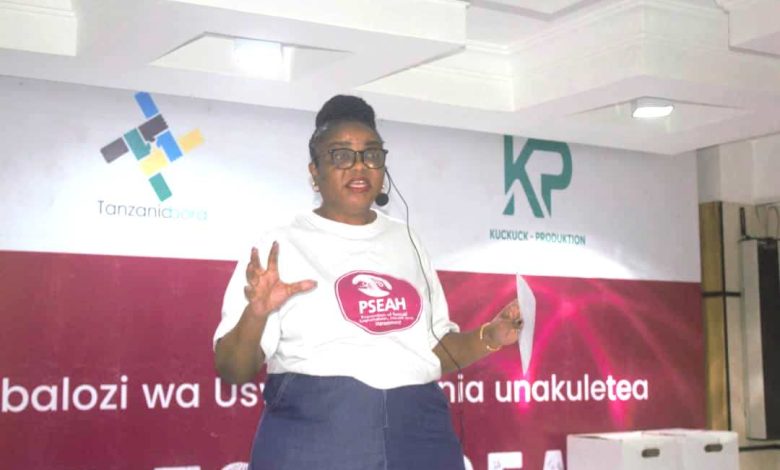
The call was made today, September 23, 2026, in Ilemela District, Mwanza Region, during a capacity-building session for non-governmental organisations on preventing sexual exploitation, abuse and harassment, improving reporting mechanisms, promoting accountability, and enabling survivors to access services and support.
The education was provided through Forum Theatre, organised by Tanzania Bora Initiative (TBI) in collaboration with the Embassy of Switzerland in Tanzania and Kuckuck Production under the “Fit for PSEAH?” programme.
Speaking after the session, Gender Specialist at Tanzania Bora Initiative,Ms Sima Bateyunga, said the training was part of an interactive theatre project aimed at raising awareness on how to prevent sexual harassment in the workplace.
She said they had chosen Forum Theatre because the issue is sensitive and often difficult to identify, leaving many people affected.
“Many people think sexual harassment means sexual violence, to the extent that someone must be raped. But even making inappropriate comments in the workplace can constitute sexual harassment. Therefore, sexual harassment in the workplace has significant effects on society,” Ms Sima said.
She identified some of the consequences of sexual harassment as employees quitting their jobs, reduced morale and productivity, sexually transmitted infections, unintended pregnancies and damage to an institution’s reputation.
She said other consequences include reduced income, people leaving or losing their jobs, and being denied opportunities for training and employment.
“We have met with people from non-governmental organisations because our main objective is to discuss together, understand how serious the consequences are and determine what needs to be done,” she said.
Ms Sima said Tanzania’s laws require safe working environments, adding that every employer should ensure employees work in environments free from harassment.
She advised employers to establish accessible reporting mechanisms, including policies, regulations and dedicated committees to handle harassment complaints in the workplace.
“There should perhaps be a special committee responsible for handling these issues in offices, or a suggestion box through which people can provide feedback and report such incidents. Reports received should be investigated and appropriate action taken to prevent such acts and ultimately bring them to an end,” she said.
Senior Adviser on Family, Health and Gender Issues, Dr Katanta Simwanza, said the education programme is expected to be rolled out across the country after stakeholders in Dar es Salaam, Zanzibar, Arusha, Mwanza and Mbeya received capacity-building training.
He said the target groups include religious leaders, students, non-governmental organisations and public officials.
According to Dr Simwanza, sexual harassment in the workplace can affect employees’ performance and productivity, personal development and morale, while also causing psychological harm and health problems, including HIV infections.
“That is why we have said we need to discuss this issue, because when it becomes widespread in our workplaces, it has many consequences for individuals, organisations, society and the nation as a whole,” he said.
Dr Simwanza, who is also a specialist in preventing workplace violence, said sexual harassment does not discriminate based on gender, as both women and men are at risk of experiencing such acts.
He said such incidents can also occur in educational institutions, including schools and colleges.
“When we talk about workplaces, people think we are referring only to certain places, but we also see these things happening in colleges and schools. It should also be recognised that these incidents can happen to either side and do not discriminate based on gender; both women and men are at risk,” he said.
ALSO READ: Swiss envoy calls for more capital to bolster SMEs as Tanzania launches the Impact Investment Forum
A participant in the training, Marco Samson from Nyegezi in Nyamagana District, said the programme had helped him understand how harassment can occur, how to report it and what steps can be taken to eliminate it.
“The consequences are serious. For example, a young woman may be forced to provide a sexual favour in order to get a job, meaning she cannot feel secure in her employment because she knows that if she refuses, she could be dismissed and lose her job altogether,” Samson said.
He stressed the importance of the community taking the issue seriously, raising awareness and encouraging people to participate in capacity-building meetings. He also called for workplace ambassadors who can help report incidents and follow up on harassment cases.
For her part, Bring Hope For Children Tanzania (BHCT) Project Manager in Ilemela, Irine Amani, said some people in workplaces do not take harassment seriously and fail to take action, forcing some victims to live in fear or tolerate such behaviour in order to protect their jobs.
“I recommend that special committees be established in workplaces so that when someone encounters harassment, there is a procedure that protects the person reporting it without fear of losing their job. There should also be dedicated teams to listen to people experiencing such challenges,” Irine advised.
The Forum Theatre performance is part of a regional programme aimed at increasing awareness, encouraging dialogue and promoting collective action to prevent sexual exploitation, abuse and harassment (PSEAH) in the workplace.