TASAF’s PSSN supports communities without political bias
DAR ES SALAAM: WE must agree that Tanzania has made remarkable strides in social protection, placing the welfare of vulnerable citizens at the forefront of national development.
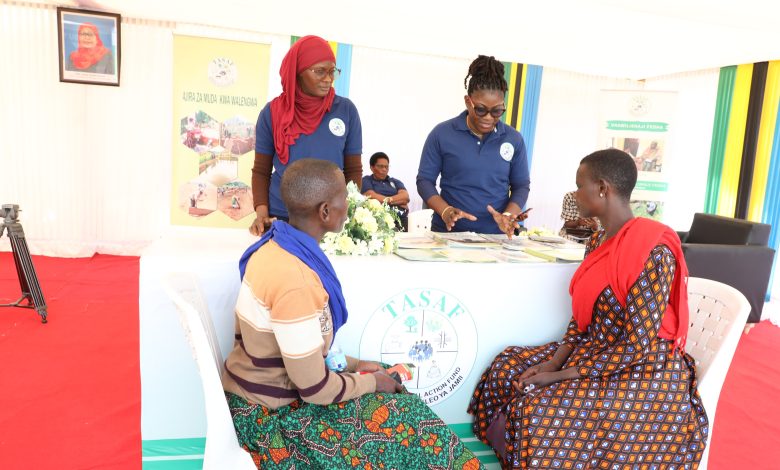
A case study here at the heart of these efforts is the Productive Social Safety Net (PSSN), implemented by the Tanzania Social Action Fund (TASAF). This nationwide programme is designed to reduce poverty, improve livelihoods and build resilience among households living below the basic needs or food poverty line.
The PSSN is a comprehensive programme with multiple components. These in a way includes cash transfers, which provide direct support, helping families cover food, healthcare and educational costs. Some transfers are conditional, incentivising school attendance and routine health check-ups, particularly for children hailing from poor and vulnerable families. Beyond financial assistance, PSSN invests in human capital through training sessions on health, nutrition, sanitation and education, equipping such families with knowledge and skills for long-term well-being.
With these in mind, it is crucial to emphasise that TASAF’s work is entirely programme-driven, not politically determined. Projects such as helping students access full loans from the Higher Education Students’ Loans Board (HESLB), constructing schools, or building bridges are executed according to national planning priorities.
Politicians must refrain from claiming credit for these initiatives or using them as leverage for political gain. Exploiting development programmes for electoral advantage undermines equity, erodes public trust and risks diverting benefits from those most in need.
We must note that the programme also focuses on livelihoods and productivity, offering grants, training and access to savings groups to help households engage in small-scale businesses, farming, or other income-generating activities all in the name of fighting poverty. Together, these measures are to help households graduate out of poverty and deepen linkages with economic opportunities, education and health systems.
PSSN continues to prioritise the poorest households, including women-headed families, children, persons with disabilities and those unable to meet basic needs. Its impact is evident: improved nutrition, better school attendance, the establishment of small businesses and increased resilience against economic shocks.
Ultimately, the PSSN is a tool for social transformation, not political capital.