

Rural communities need sustained partnerships to fight preventable blindness
DAR ES SALAAM: Access to affordable healthcare should not depend on where people live or how much they earn. Yet, for many residents in rural communities, the cost of treatment, distance to health facilities and limited access to specialised services remain significant barriers to receiving timely medical attention.
This makes partnerships between the government, private institutions and charitable organisations an important part of efforts to improve healthcare delivery. Such initiatives deserve encouragement because they complement government efforts to extend essential services to communities, particularly those whose circumstances make accessing specialised treatment difficult.
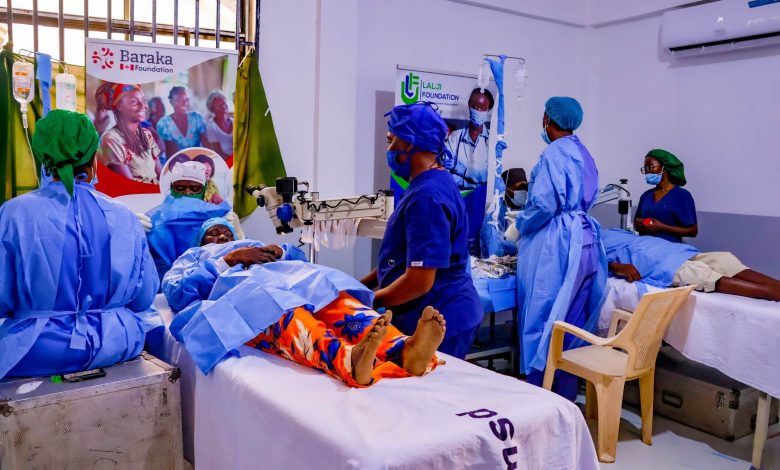
A recent three-day free eye treatment camp organised by LALJI FOUNDATION in collaboration with BARAKA FOUNDATION and VISION 4 ALL EYE CENTER in Utete and Ikwiriri, Rufiji District, illustrates how such partnerships can make a practical difference in peoples lives.
The exercise reached 2,596 residents, who received eye examinations and various treatment services. Although the number of beneficiaries is significant, the findings also reveal the extent of unmet eye healthcare needs within communities and the importance of making specialised services more accessible.
Statistics from the camp show that 817 residents received spectacles, while another 1,360 were provided with medication. However, 285 patients were identified as requiring surgical intervention, including 246 suffering from cataracts and 39 needing minor eye operations.
Of those requiring surgery, 232 successfully underwent procedures. These included 209 cataract operations and 23 minor surgeries. Beyond the numbers, these figures demonstrate why community-based medical interventions matter. For people living far from specialised health facilities, accessing an eye specialist may involve considerable transport expenses, time away from work and additional treatment costs.
Such difficulties can discourage patients from seeking medical attention until their conditions become more complicated. Cataracts, in particular, deserve attention because they are a major cause of visual impairment and blindness, especially among older people. The condition develops when the eye’s natural lens becomes cloudy, progressively affecting vision.
However, cataract-related blindness is generally treatable through surgery, making timely diagnosis and access to surgical services essential. The experience in Rufiji therefore points to a broader healthcare challenge: identifying patients is only one part of the solution. Ensuring that those who need spectacles, medication, specialist consultations or surgery can actually obtain them is equally important.
ALSO READ: Dr Samia appoints Dr Mpango as SUA Chancellor, three others become ambassadors
This is where collaboration between public health authorities and non-state actors becomes valuable. Speaking during the launch of the camp, Rufiji Town Medical Officer Dr Mussa Rashid, who represented the Executive Director, highlighted the importance of cooperation between the government and development partners in improving access to healthcare.
He commended the participating foundations for helping bring medical services closer to residents, particularly those facing difficulties accessing specialised eye treatment. He also called for such camps to be organised regularly, observing that demand for eye healthcare remained high in the community.
His appeal raises an important issue about the sustainability of charitable medical interventions. While temporary camps can provide immediate relief to hundreds or thousands of patients, healthcare needs are continuous. Eye conditions require early detection, proper diagnosis, treatment and, in some cases, follow-up care.
Consequently, occasional medical camps should complement, rather than replace, established healthcare services. Their greatest value would be realised when they are connected to existing health facilities capable of providing referrals, monitoring patients and managing complications after treatment.
For instance, patients identified with conditions requiring specialised attention but not treated during a particular camp should have clear referral pathways to hospitals where appropriate services are available. This would help prevent people from being left without further assistance after initial examinations.
Equally important is the need to strengthen public awareness about eye health. Many people may ignore deteriorating vision, assuming it is an inevitable consequence of ageing, while others delay seeking treatment because of financial constraints or limited information.
Community outreach can help address these challenges by encouraging regular eye examinations, explaining available treatment options and informing residents about conditions that require urgent medical attention. LALJI FOUNDATION Chairman Imtiaz Lalji said the organisation remained committed to working with the government and other stakeholders to reach people who need healthcare, particularly those unable to meet treatment expenses.
His position reflects the role charitable institutions can play in supporting public healthcare delivery. By mobilising financial resources, medical personnel, equipment and other essential supplies, such organisations can help extend services to populations that might otherwise struggle to access them.
However, the involvement of private foundations should also be viewed within a broader framework of shared responsibility. Government institutions remain central to ensuring equitable healthcare provision, establishing standards, coordinating services and maintaining the health infrastructure needed to serve communities over the long term.
Private organisations, meanwhile, can contribute resources, expertise and outreach capacity, while medical institutions provide professional services. Such complementary roles can improve the reach and effectiveness of healthcare interventions. For residents, the benefits are often immediate and tangible.
Saida Minge, an Ikwiriri resident, said the camp had enabled community members to obtain examinations, medication, spectacles and surgical treatment that some would otherwise have struggled to afford. Her experience illustrates why bringing specialised healthcare closer to communities should remain a priority.
By and large, the Rufiji initiative offers an important lesson: improving access to healthcare cannot be left to government institutions alone. Development partners, charitable foundations, private medical providers and communities all have a role to play. Encouraging such partnerships, while ensuring continuity, accountability and proper follow-up, can help turn temporary medical interventions into meaningful contributions to long-term community health and wellbeing.
NEW88 – Sân chơi giải trí hàng đầu với nhiều chương trình khuyến mãi hấp dẫn tham gia tại website: https://new881e.com/
NEW88 – Sân chơi giải trí hàng đầu với nhiều chương trình khuyến mãi hấp dẫn tham gia tại website: https://jo-in.team