Tanzania, World Bank move to boost state enterprise performance
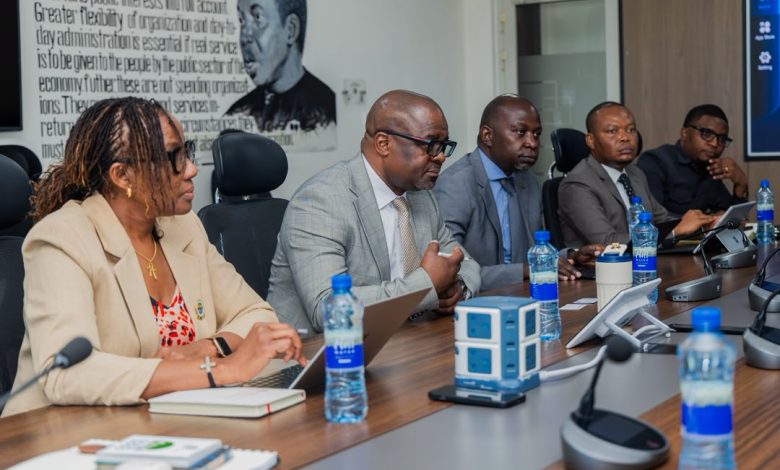
Dar es Salaam: The Office of the Treasury Registrar (OTR) and the World Bank Group have expressed interest in strengthening collaboration to improve the performance of public enterprises and unlock opportunities for private investment in support of Dira 2050.
The discussions took place in Dar es Salaam on Tuesday, November 17, 2026, during a meeting between Treasury Registrar Nehemiah Mchechu and a World Bank Group delegation led by its Division Director for Tanzania, Malawi, Zambia and Zimbabwe, Mr Firas Raad, who paid a courtesy visit to OTR.
Mr Mchechu said the performance of state-owned enterprises (SOEs) was critical to achieving the country’s development ambitions, particularly Dira 2050’s vision of having the private sector account for 70 per cent of the economy, with the public sector contributing the remaining 30 per cent.
He explained that attracting private capital required public enterprises to strengthen their governance, improve financial performance and develop commercially viable projects capable of attracting investors.
He outlined reforms undertaken by OTR since 2023, including a strengthened performance management framework covering financial performance, sector-specific targets, corporate governance, customer satisfaction and staff performance.
ALSO READ: Five core values underpin OTR’s stewardship of government investment
The reforms also involve improving leadership accountability, giving boards greater authority to manage their institutions and restructuring entities whose operations are no longer economically viable.
Mr Mchechu challenged the International Finance Corporation (IFC), the World Bank Group’s private-sector investment arm, to consider commercially operated SOEs as potential investment partners, noting that Government ownership should not automatically exclude such enterprises from private-sector financing.
Mr Raad commended OTR’s reform agenda, particularly its emphasis on corporate governance, performance measurement and improved service delivery.
He observed that financially stronger public enterprises would be better positioned to attract private capital and support Tanzania’s development priorities.
He said the World Bank Group had commitments exceeding $8 billion across various sectors in Tanzania and was increasingly focusing on using development financing to mobilise additional private investment, particularly in energy, transport and urban development.
Both sides expressed interest in further discussions to identify practical areas of cooperation, including investment opportunities and support for developing bankable projects and public-private partnerships.