Tanzania wants Korean investment to turn Vision 2050 into industrial reality
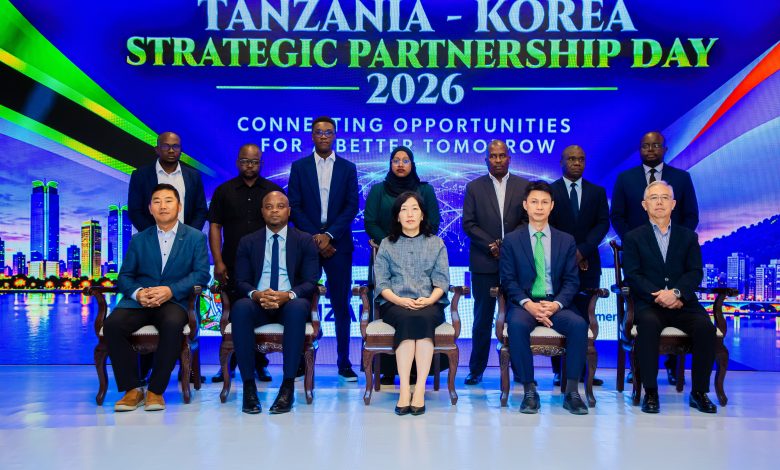
DAR ES SALAAM: FOR decades, Tanzania and South Korea have built a relationship anchored in friendship, development cooperation and mutual respect. Today, that relationship is entering a potentially more consequential phase: Transforming longstanding diplomatic goodwill into investment, industrial partnerships and business ventures capable of supporting Tanzania’s long-term economic ambitions.
The message emerging from the recent Tanzania-Korea Strategic Partnership event in Dar es Salaam was clear. The two countries have an opportunity to move beyond discussions about cooperation and create practical partnerships that deliver factories, technology, skills, infrastructure, stronger supply chains and expanded markets.
Representing the Minister of State in the President’s Office for Planning and Investment, the Director of Investment Promotion at the Tanzania Investment and Special Economic Zones Authority (TISEZA), George Mukono, stressed that the strategic relationship must increasingly produce concrete investments and business partnerships as Tanzania works towards implementing its Vision 2050.
That vision seeks to establish a competitive, industrialised and inclusive economy driven by productivity, innovation, technology and private investment. In that context, South Korea offers experience that could be particularly valuable.

South Korea’s transformation from a developing economy into a major industrial and technological power provides lessons in manufacturing, infrastructure development, skills formation, technology adoption, export promotion and privatesector growth.
Tanzania does not have to replicate Korea’s development journey, but it can learn from the systems, investments and partnerships that helped create its industrial capacity. For Tanzania, the priority is not simply attracting foreign capital.
The greater objective is ensuring that investment contributes to domestic productive capacity, creates employment, develops skills, strengthens local businesses and connects Tanzanian producers to regional and international markets. Mukono said Tanzania is specifically seeking Korean investment in infrastructure, technology, skills development, domestic supply chains and export-oriented industries.
These areas are important because sustainable economic growth depends on an economy’s ability to produce competitively rather than remain primarily dependent on importing finished goods.
“Our responsibility is to give every investor a clear route from the initial inquiry to implementation. I encourage Korean companies participating in this event to use the business-tobusiness meetings to identify specific projects, potential Tanzanian partners, the information they require and the next steps towards investment,” Mukono said.
That emphasis on a clear route from inquiry to implementation is significant. Investment decisions are influenced not only by the availability of opportunities, but also by how easily investors can understand requirements, obtain approvals, access reliable information and establish partnerships.
To address such concerns, the government has established a one-stop facilitation centre where more than 15 government institutions provide investor services under one roof. TISEZA also assists investors with information, registration, approvals and investment opportunities within special economic zones. Such mechanisms can reduce uncertainty and make the investment process more efficient.
For investors, predictability matters. For Tanzania, efficient facilitation can help convert interest into actual projects, particularly when competing with other destinations for international capital. The Korean side also emphasised the importance of moving from broad conversations to direct business connections.
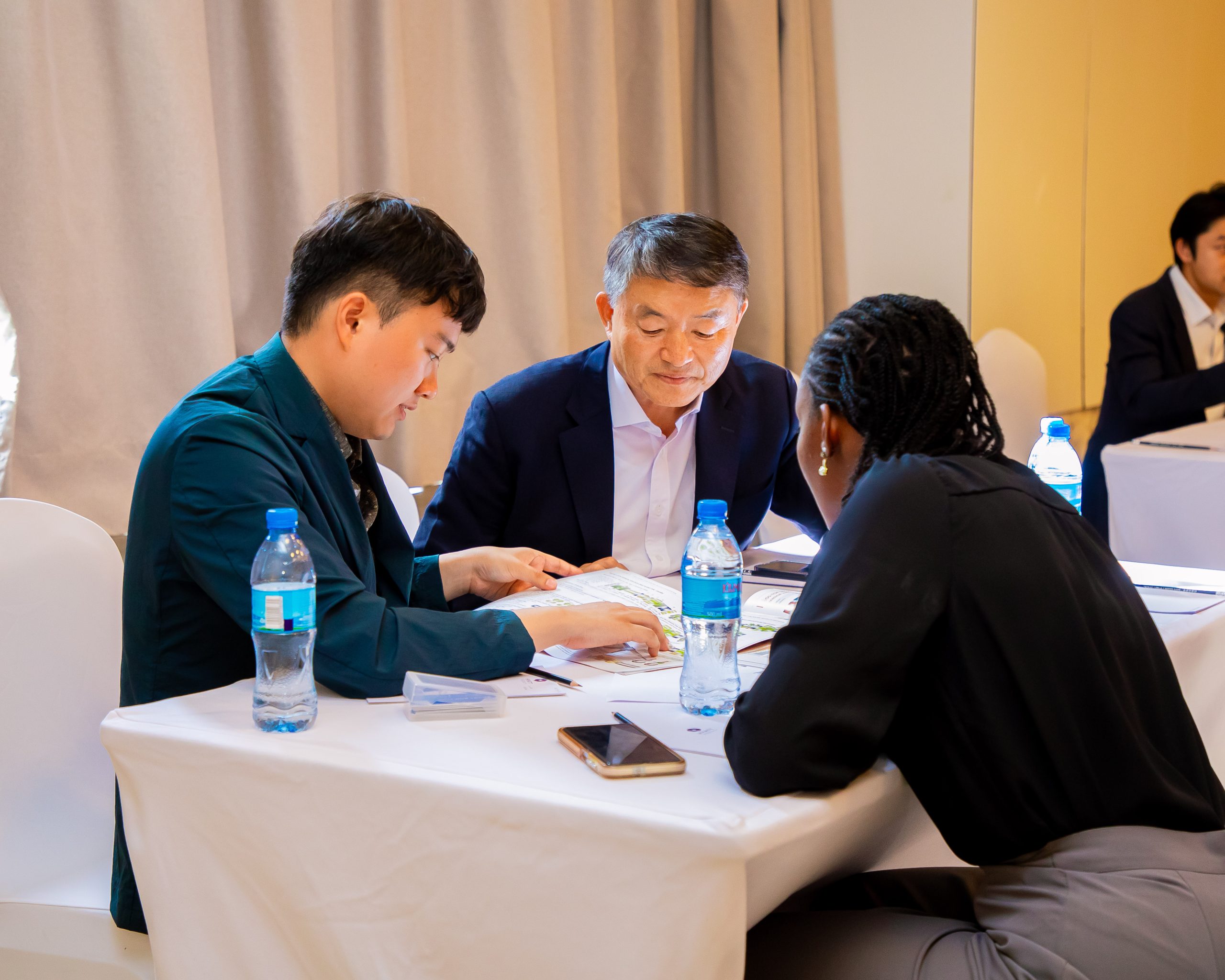
Commenting, Korea TradeInvestment Promotion Agency (KOTRA) Dar es Salaam Director General Byungguk Park said successful economic cooperation depends on creating connections among companies, investors, technology providers and markets. He explained that the forum was designed to go beyond presentations by giving Tanzanian and Korean companies opportunities to hold direct discussions, understand one another’s needs and identify practical areas of cooperation.
That business-to-business dimension could prove critical. Governments can create policies, facilitate investment and build an enabling environment, but companies ultimately have to identify commercially viable opportunities and commit capital, technology and expertise. The presence of Korean companies therefore provides an important starting point.
Korean Ambassador to Tanzania Eunju Ahn noted that six Korean companies participated through KOTRA and the Korea Plant Industries Association, describing their presence as evidence of growing interest in Tanzania and the potential for practical partnerships.
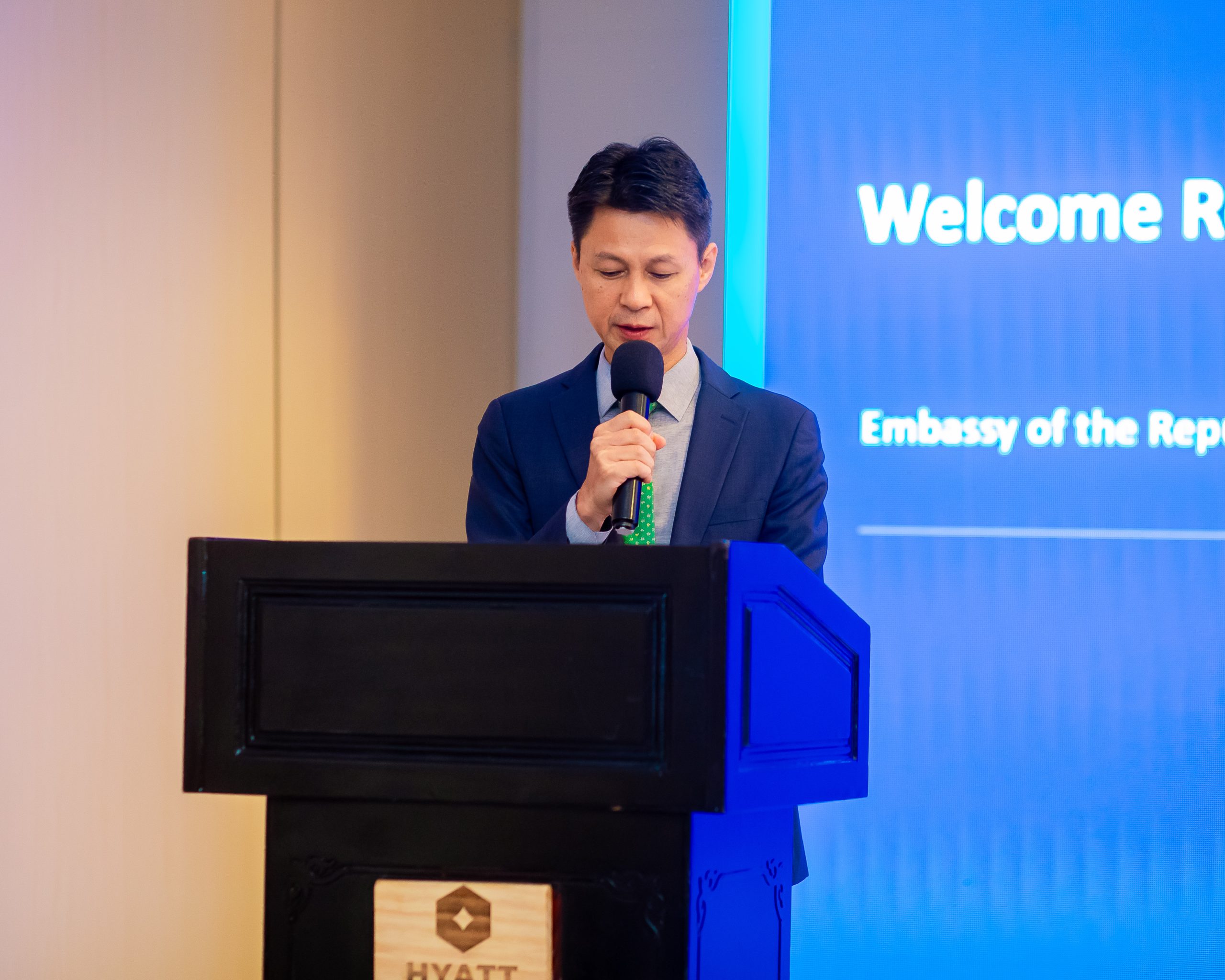
The ambassador also highlighted the depth of relations between the two countries, noting that cooperation has expanded over the years into development, infrastructure, energy, technology, trade and investment. Tanzania’s Vision 2050, she observed, creates a fresh opportunity to deepen that relationship, particularly by increasing private-sector participation.
This is an important shift because development partnerships must increasingly create commercially sustainable opportunities alongside traditional development cooperation. Private investment can bring capital, technology, managerial expertise, production systems and access to international markets.
Yet investment should also be judged by its wider impact. A successful partnership should contribute to local skills development, employment, technology transfer and the strengthening of Tanzanian companies. Where appropriate, foreign investors and local enterprises should be encouraged to develop supply relationships that enable domestic businesses to participate in larger value chains.
This is particularly important for Tanzania’s ambition to build industries that can compete beyond its borders. Exportoriented investment can help the country earn foreign exchange, diversify production and establish itself more firmly within regional and global value chains. Skills development is another essential component. Modern industries require workers with technical, managerial, digital and specialised capabilities.
Partnerships that combine investment with training can therefore leave a lasting contribution beyond the life of an individual project. A similar argument applies to technology. Tanzania’s development ambitions will increasingly depend on its ability to adopt and use technologies that improve productivity, reduce production costs and increase competitiveness.
Ambassador Ahn stressed that sustainable economic development requires investment in people, infrastructure, technology and industries, arguing that Tanzania’s priorities and Korea’s experience and capabilities could complement each other. Her observation captures the central opportunity before both countries.
Tanzania brings a growing economy, strategic location, natural resources, a large market and access to regional markets. Korea brings extensive industrial, technological and business experience. Properly structured partnerships can allow these strengths to reinforce one another.

But partnership cannot thrive on goodwill alone. Businesses must meet regularly, understand market realities and identify projects that make commercial sense.
The ambassador therefore called for more opportunities for businesses from both countries to meet, understand each other’s requirements and establish concrete partnerships. The relationship, she stressed, should not be limited to individual projects, but should focus on growing together and creating sustainable opportunities for the future.
That principle should guide the next stage of Tanzania-Korea economic relations. At the event, both TISEZA and the Zanzibar Investment Promotion Authority (ZIPA) welcomed Korean investors and pledged to support them in turning discussions into actual projects. Their commitment reinforces the importance of facilitation after the forum ends. The real test will now be what follows the meetings.
Business cards exchanged, presentations delivered and intentions expressed will have limited value unless they lead to feasibility studies, partnerships, investment decisions, construction, production and jobs. For Tanzania, Vision 2050 represents an ambitious national undertaking.
Achieving it will require more than government action. It will demand sustained private investment, international partnerships, skilled people, technological advancement and productive industries. South Korea’s experience demonstrates what sustained investment in people, technology, infrastructure and industry can achieve.
Tanzania can draw useful lessons from that experience while building a development path suited to its own circumstances. The opportunity before the two countries is therefore bigger than a single investment forum. It is an opportunity to translate friendship into enterprise, cooperation into production and strategic partnership into measurable economic transformation.
The next chapter should be written not merely through more meetings, but through investments that produce, businesses that grow, workers who gain skills and industries that strengthen Tanzania’s economy. That is where strategic partnership becomes meaningful: When shared ambitions finally become shared economic progress.