Tanzania invites Korean firms to expand their investments beyond manufacturing sector to win regional markets
DAR ES SALAAM: TANZANIA has urged Korean investors to expand their businesses in the country, highlighting investment incentives, access to regional markets and opportunities in manufacturing, energy, mining, agriculture and pharmaceuticals.
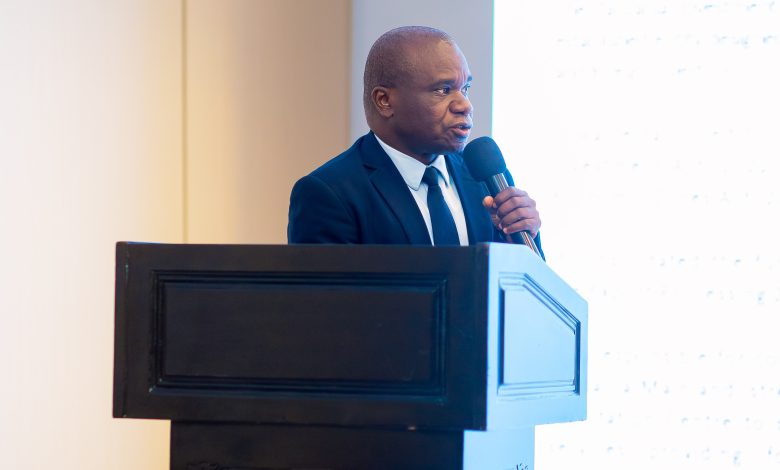
Tanzania Investment and Special Economic Zones Authority (TISEZA) Investment Promotion Manager Daudi Riganda made the call when addressing various investors and businesspeople from Korea at the Tanzania-Korea Strategic Partnership event in Dar es Salaam today, September 14, 2026, stating that the country has already registered 113 investment projects from Korean investors, with manufacturing accounting for 42 per cent of the projects.
According to Mr Riganda, the figures show the growing interest of Korean investors in Tanzania, while also pointing to room for further expansion.
“This tells us that there is still a need for you, especially our friends from Korea, to expand your businesses in Tanzania. The opportunities are many,” he said.

Elaborating, he said that TISEZA has established a one-stop facilitation centre bringing together about 15 government ministries, departments and agencies to provide investors with various approvals and licences, reducing the need to move from one institution to another and that it also has an aftercare services unit responsible for assisting investors facing challenges during project implementation.
ALSO READ: ACSACONM awards inspiring nurses and midwives in Zanzibar
“Tanzania’s natural resources, strategic location, access to markets, peace and political stability, economic growth, infrastructure and investor-friendly environment are some of the factors making the country an attractive investment destination,” he said.
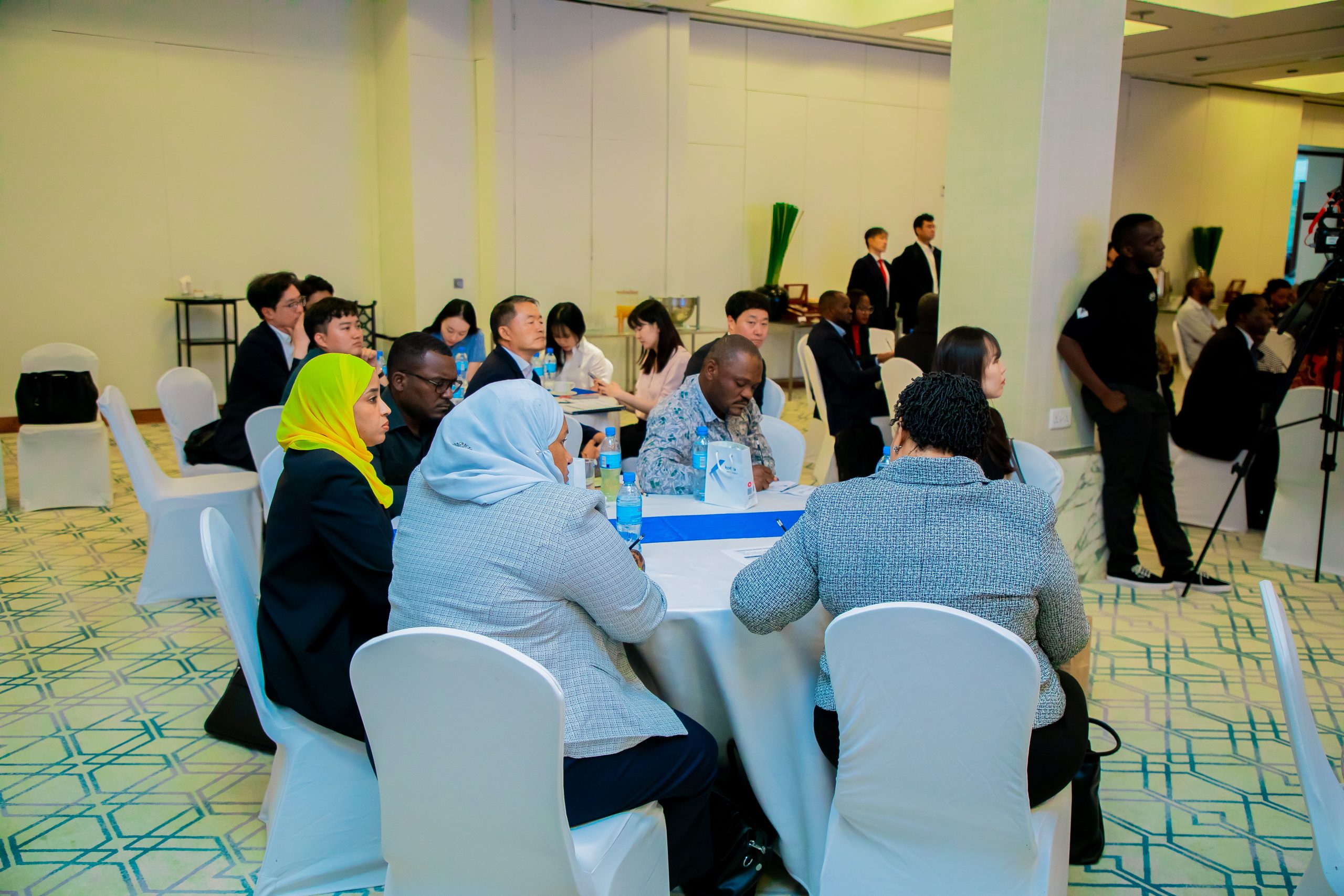
Elaborating, he informed the hundred guests gathered at the forum that Tanzania’s economy grew by 5.3 per cent last year and is projected to expand by six per cent this year, while its road and railway networks, ports and access to electricity provide additional confidence for investors.
He said, foreign investors can register as normal, strategic, Export Processing Zone or Special Economic Zone investors, with a minimum capital requirement of 500,000 US dollars for a normal foreign investor and 50m US dollars for a strategic investor.
He said strategic investors could negotiate for additional incentives depending on the nature and requirements of their projects, with applications approved by the National Investment and Development Committee chaired by the Prime Minister.
“For investors operating in Special Economic and Export Processing Zones, the minimum investment capital remains at 500,000 US dollars, while eligible investors can benefit from various tax and non-tax incentives,” he said..
Among the incentives, he said, were zero import duty on capital goods and raw materials, while investors in pharmaceuticals, leather and textiles can benefit from a reduced corporate tax rate of 20 per cent for the first five years of operation.
Additionally, he stated that investors involved in the assembly of motor vehicles, tractors and engines can pay a 10 per cent corporate tax rate during the first five years and that investors are also automatically allowed to employ up to 10 expatriates, while those seeking to employ more could do so under a requirement linking additional expatriates to the creation of jobs for Tanzanian workers.
He added that investors have access to international arbitration mechanisms, one-stop facilitation services and the right to repatriate profits after meeting applicable tax obligations.
On Special Economic Zones, Mr Riganda said Tanzania has several areas designated for investment, including Bagamoyo Eco-Maritime City, which covers 151 hectares and is suitable for manufacturing, another zone in Kibaha covering about 100 hectares, also targeting manufacturing projects and other zones included one covering 607 hectares and another in Buzuaki with 133 hectares, which is suitable for mineral-related projects and value addition.
“Investors operating in Special Economic Zones can also benefit from a 10-year corporate tax holiday,” he said.
Moreover, Mr Riganda identified agriculture and agro-processing, mining and mineral beneficiation, textiles and apparel, pharmaceuticals and medical products, manufacturing, energy, real estate and tourism among the investment opportunities available in Tanzania and urged Korean investors to take advantage of the available opportunities, saying Tanzania offered a strategic gateway to surrounding countries and wider regional markets.
“The opportunities are many. So the choice is yours and the time is now,” he said.