Tanzania targets 50 per cent formal employment by 2050

DODOMA: AT LEAST 50 per cent of Tanzanians are expected to secure decent employment in the formal sector by 2050, as part of long-term efforts to expand economic opportunities and promote inclusive growth.
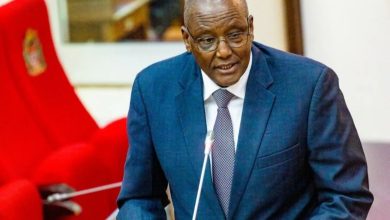
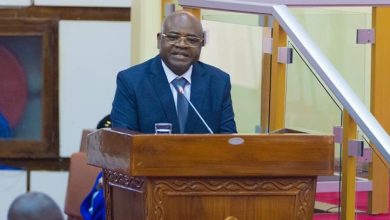
Deputy Minister for Community Development, Gender, Women and Special Groups, Engineer Maryprisca Mahundi, told the National Assembly that women accounted for 43 per cent of public sector employees as of June 2026.
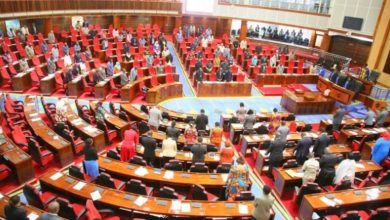
She was responding to a basic question from Special Seats MP Neema Majule (CCM), who wanted to know the measures being taken to expand formal employment opportunities for women and strengthen their participation in the inclusive economy and social welfare.
Eng Mahundi said the Government was also promoting women’s participation in innovation through the establishment of incubation centres that prioritised businesses and innovations led by women.
She added that the government aimed to increase women-owned start-ups by 30 per cent by 2040.
The deputy minister further said women were being supported to access public procurement opportunities through the 30 per cent allocation reserved for special groups by public institutions.
“From the 2023/24 to 2025/26 financial years, a total of 394 women’s groups secured 944 procurement awards worth 23.34bn/-,” she said.
Eng Mahundi said the Government was also promoting the use of digital platforms, including iSOKO, to expand market opportunities for women-owned businesses.
As of June 2026, she said, the platform had registered 24,269 women.
She added that the government would continue strengthening Women’s Economic Empowerment Platforms, which had reached 15,147 by July 2026.
“The government is also implementing the arrangement through which 10 per cent of local government authorities’ own-source revenue is allocated as interest-free loans to special groups, with women accounting for four per cent of the reported beneficiaries,” she said.
Eng Mahundi said the initiatives were intended to widen women’s access to employment, entrepreneurship, innovation and economic opportunities, enabling them to contribute more effectively to national development.