Tanzania intensifies clean energy campaign to ensure 80 percent of its citizens use it by 2034

DODOMA: THE Tanzanian government has said it is continuing to implement the National Clean Cooking Energy Strategy, which aims to ensure that 80 percent of Tanzanians use clean cooking energy by 2034 as part of efforts to reduce the burden of collecting firewood on women and minimise the harmful effects of using unclean cooking fuels.
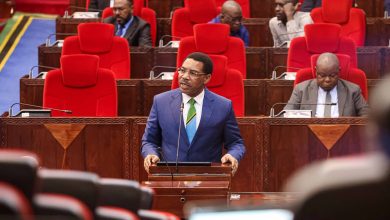
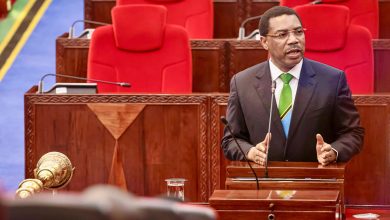
Responding to a question from Special Seats MP Mary Francis Masanja, Deputy Minister for Energy Salome said the government, through the Rural Energy Agency (REA), was implementing a project to distribute subsidised six-kilogramme liquefied petroleum gas (LPG) cylinders and improved cookstoves in villages and semi-urban areas.
She said the initiative was intended to increase access to clean cooking energy, particularly among rural communities, where the use of firewood and charcoal remains a major challenge for many households.
The government is also working with various stakeholders to implement clean cooking energy projects in rural areas, while conducting public awareness campaigns to educate communities on the importance of adopting cleaner cooking alternatives.
ALSO READ: Tanzania enlists 2,682 institutions using clean energy as it targets 30,000 by 2034
Ms Salome said public education on clean cooking energy was being provided through meetings, seminars and other activities aimed at increasing awareness of the benefits of using clean cooking solutions.
She said the initiatives formed part of the national agenda to reduce the burden of firewood collection on women, lower dependence on firewood and charcoal, improve public health and minimise environmental damage caused by unclean cooking fuels.
The Deputy Minister further said the government was committed to reaching rural communities and ensuring they benefited from subsidised gas cylinders and improved cookstoves.
She reiterated that the target was to ensure 80 percent of Tanzanians adopted clean cooking energy by 2034, emphasising the importance of measurable implementation results in ensuring that rural households benefit from the initiative.