

Tanzania Steps Up Zero Separation, iKMC to Cut Premature Deaths by 25pc
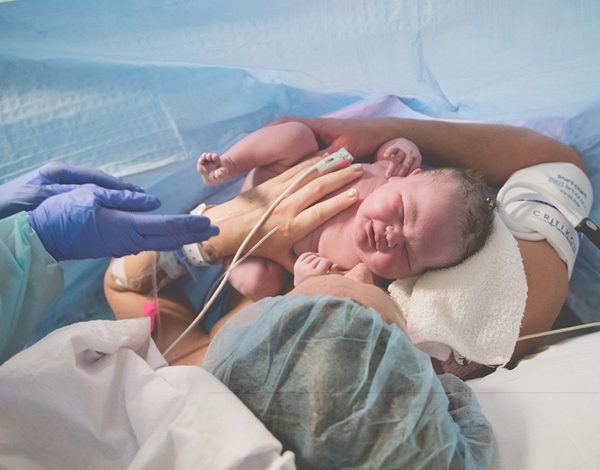
DAR ES SALAAM: THE Tanzanian government has strengthened the implementation of the Zero Separation approach, which ensures mothers are not separated from their preterm babies, alongside the early introduction of Immediate Kangaroo Mother Care (iKMC), a practice that can reduce deaths among premature babies by 25 per cent.
Deputy Minister for Health, Dr Florence Samizi, said this on behalf of Health Minister Mohamed Mchengerwa during the commemoration of World Prematurity Day, noting that Tanzania has adopted the World Health Organisation (WHO) recommendations on implementing the two interventions.
She said the decision was informed by research conducted in Tanzania, Ghana, India, Nigeria and Malawi, which showed that keeping mothers and their preterm babies together could reduce mortality by 25 per cent compared to cases where babies are separated from their mothers.
Dr Samizi said the 2018 National Newborn Care Guidelines, alongside architectural designs for the construction of Newborn Care Units (NCUs), recognise the importance of involving both mothers and fathers in caring for newborns while they are receiving hospital treatment.
ALSO READ: PREMATURE BABIES A fight for survival
She emphasised that parental involvement is essential in ensuring preterm babies receive appropriate care, adding that Kangaroo Mother Care helps strengthen the bond between mothers and their babies while improving treatment outcomes.
In another development, Dr Samizi said the modern NCU built by the Doris Mollel Foundation at Kwimba District Hospital had recorded positive results within nine months of commencing operations.
She said the number of babies admitted to the unit had increased by approximately 200 per cent, from 183 to 542, while the mortality rate among admitted babies had declined by 64 per cent, from 34 deaths per 100 babies to 12 per 100.
Furthermore, referrals of babies to other hospitals had decreased by 70 per cent during the same period, highlighting the importance of investing in better health infrastructure and bringing specialised services closer to communities.

NEW88 – Nhà Cái Giải Trí Trực Tuyến Hàng Đầu, Mang Đến Trải Nghiệm Cá Cược Đẳng Cấp Với Kho Game Đa Dạng tham gia tại: https://new881c.com/