Tanzania steps up green push with 9bn/- restoration hub launch
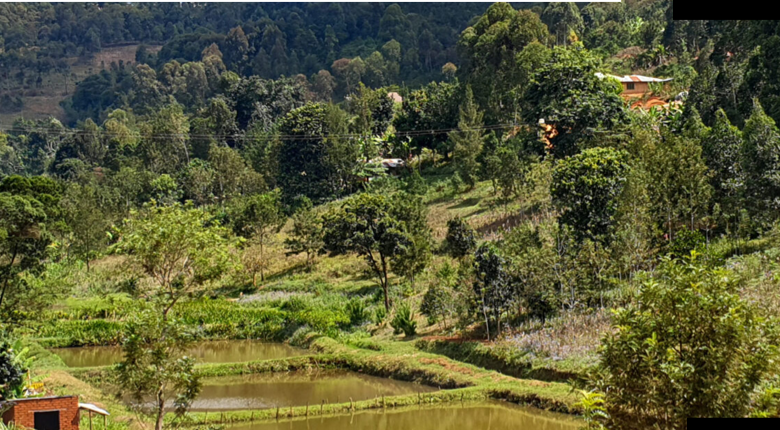
DODOMA: Tanzania has launched a 9bn/- IKI-Forest and Landscape Restoration (FLR) Implementation Hub Project aimed at improving citizens’ livelihoods, combating climate change, and conserving biodiversity through land restoration and the rehabilitation of natural vegetation in the country.
During the launching ceremony of the five-year project held in Dodoma over the weekend and presided over by Dodoma Regional Commissioner Ms Rosemary Senyamule, WWF Tanzania’s Head of Conservation, Dr Lawrence Mbwambo, said the initiative will be implemented in parts of Tanga and Dodoma and is expected to contribute to the country’s plan to restore 5.2 million hectares of degraded land.
Dr Mbwambo noted that the project is being implemented by WWF Tanzania, the International Union for Conservation of Nature (IUCN), and the World Resources Institute (WRI) in collaboration with the government through the Vice President’s Office – Union and Environment, the Ministry of Natural Resources and Tourism (Tanzania Forest Services Agency), and the Prime Minister’s Office – Regional Administration and Local Government (PO-RALG).
“This project aims to contribute to global efforts and the resolutions of the Bonn Challenge, where stakeholders, leaders, and nations gathered in 2010–2011 to set goals for the year 2030 to restore natural vegetation across approximately 350 million hectares of degraded land worldwide,” he said.
He noted that the specific objectives include restoring natural vegetation in degraded areas, protecting and conserving biodiversity, improving the livelihoods of communities surrounding the respective forests, and addressing the impacts of climate change.
On his part, Project Manager Mr Raymond Kilenga said beneficiaries of the project include residents living within the project areas in Chamwino, Mpwapwa, Korogwe, and Kilindi districts in Dodoma and Tanga regions, who will benefit through reliable water availability, increased agricultural crop production, forest products, and enhanced biodiversity.
He added that the expected outcomes of the project include establishing an enabling environment and building the capacity of communities and other stakeholders to increase productivity in land restoration activities.
According to him, the project will also focus on restoring natural vegetation on over 40,000 hectares, mobilizing more than 9bn/- in funding, and enhancing the sustainability of ecological services derived from biodiversity.
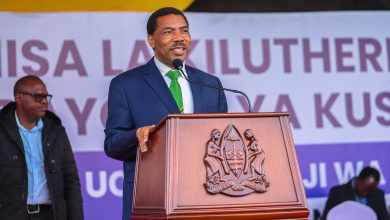
Launching the project in the capital, RC Senyamule urged the implementing parties to take full responsibility so that the initiative yields the intended results.
ALSO READ: WWF Tanzania unveils 150bn/- strategy to combat environmental degradation
“For the districts of Chamwino and Mpwapwa where this project is being implemented, the leaders of these districts are here—the Mpwapwa District Commissioner (DC) and a representative of the Chamwino DC. I continue to emphasize that you diligently oversee this project while providing sufficient cooperation to the project implementers so they can carry out their activities as outlined, in order to achieve the expected goals and outcomes,” she said.
She also called upon councilors, acting directors, and ward executive officers working at the grassroots level not to act as stumbling blocks during the implementation of the five-year environmental project.
Ms Senyamule further expressed her optimism that such efforts would not only contribute to the success of the project, but also support the implementation of the African Forest Landscape Restoration Initiative (AFR100), under which Tanzania has pledged to restore 5.2 million hectares by 2030.
The initiative is being implemented in six countries, namely Brazil, Colombia, Madagascar, Peru, Tanzania, and Uganda.