VP stresses inclusive development
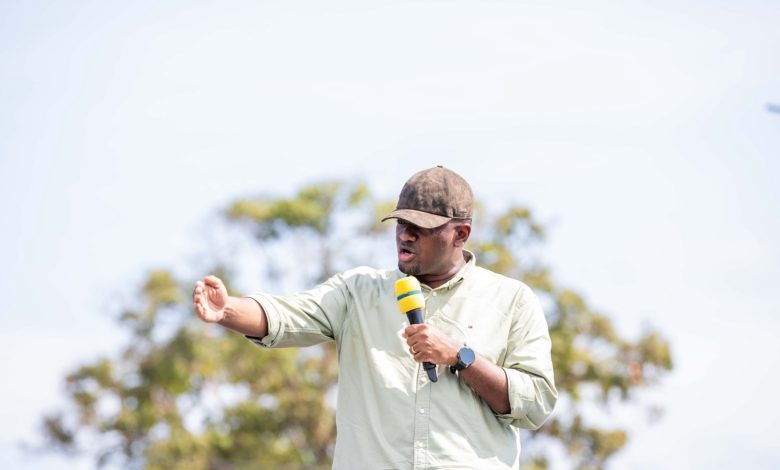
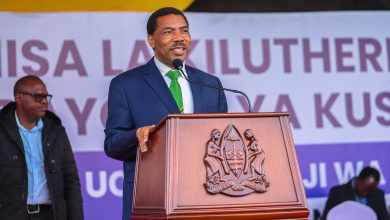
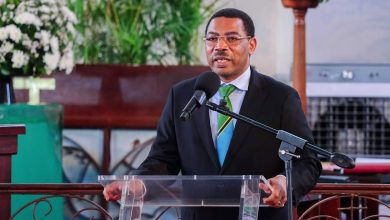
LINDI: VICE-PRESIDENT Deogratius Ndejembi has stressed the need for government development initiatives to translate into tangible benefits for ordinary citizens through improved social services, reliable infrastructure and expanded economic opportunities.
He said the government was continuing to take measures to ensure that development reached communities, particularly through investments in clean cooking energy, electricity supply and higher education.
Mr Ndejembi made the remarks during his working tour of Lindi Region, yesterday, where he visited Mchinga Constituency and distributed gas cylinders to residents of Kilangala Village.
He said access to clean cooking energy was important in improving household welfare, protecting public health, conserving the environment and reducing the cost of living.
The Vice-President explained that distributing gas cylinders was a practical intervention aimed at helping families reduce their dependence on firewood and charcoal, while minimising exposure to harmful smoke produced by traditional cooking methods.
“What we are doing here today is something very significant,” he said, to increase transformer capacity to address growing demand, alongside implementing a project to connect Lindi and Mtwara regions to the national electricity grid.
He said the investments were intended to improve the reliability of electricity for household consumption and productive activities, enabling communities and businesses to benefit from improved energy access.
In another development, the Vice-President on Saturday called for further investment in higher education infrastructure in the region, directing the Ministry of Education, Science and Technology to consider prioritising the University of Dar es Salaam (UDSM) Lindi Campus in the second phase of the Higher Education for Economic Transformation (HEET) Programme.
He specifically emphasised the need to construct residential houses for lecturers and other staff to support the campus’s planned expansion.
Mr Ndejembi said strengthening the campus would expand access to higher education and practical skills training in agricultural and livestock production, helping produce skilled professionals to support the country’s economic transformation.
He made the remarks during an inspection of the 14.8bn/- campus under construction at Ngongo in Lindi Municipality.
The project, which is 98 per cent complete, is expected to be handed over by the contractor before the end of this month.
The Vice-President commended UDSM for what he described as prudent utilisation of public resources and value for money, saying the quality of the infrastructure reflected effective project management.
He urged other public institutions to adopt similar approaches when implementing major development investments.
“The quality of the infrastructure demonstrated effective project management. It is important for other public institutions to adopt similar approaches when implementing major development investments,” he said.
ALSO READ: PM launches industrial, SME development policies
Implemented under the government-supported HEET Programme with World Bank financing, the project involves six buildings at Ngongo and three additional facilities at UDSM’s research centre in Ruangwa District.
Presenting the implementation report, UDSM HEET Deputy Coordinator, Professor Liberato Haule, said the investment was expected to generate economic benefits beyond expanding access to higher education.
The Ngongo campus facilities include lecture rooms with a combined capacity of 390 students, laboratories accommodating 125 students, a library, a workshop and two hostels providing accommodation for 200 students.
At Ruangwa, the project includes a hostel, classroom and dining hall designed to accommodate 50 students.
The investment has already created employment opportunities for 1,114 local people, including 87 women, while local businesses have benefited from supplying construction materials and services.
Once operational, the campus is expected to stimulate economic activity through increased demand for accommodation, transport, food, financial services and other businesses serving students, employees and visitors.