Tanzania renews efforts to maintain the natural cleanliness of Mount Kilimanjaro
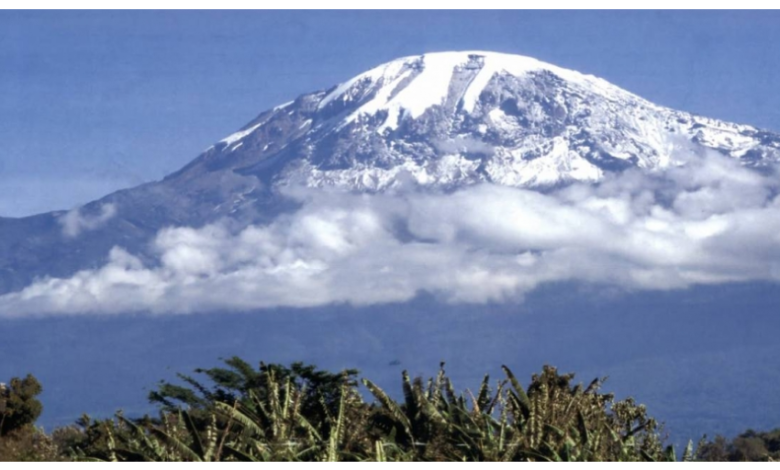
MOSHI: EFFORTS to restore and maintain the natural cleanliness of Mount Kilimanjaro has gained a renewed momentum in Moshi, where government officials, conservation authorities, and tourism stakeholders met to address environmental challenges facing Africa’s highest peak.
The meeting brought together representatives from the Ministry of Natural Resources and Tourism, the Tanzania National Parks Authority (TANAPA), and tour company owners, who discussed practical ways to reduce waste pollution and strengthen environmental protection on the mountain, which attracts about 65,000 tourists annually.
Participants noted that waste generated by tourism activities on the mountain—both solid and liquid—remains a growing concern, especially as it is transported down to entry gates.
However, stakeholders expressed confidence that a coordinated approach involving tour operators, guides, porters, and tourists can make a “clean Kilimanjaro” achievable.
ALSO READ: Tanzania commands global diplomatic engagement at the 5th ADF forum
Speaking during the meeting, Michael Kilawila, the Chairperson of the session and owner of “Coming to Africa” tourism company, emphasized that tour operators must take full responsibility for protecting the environment they depend on for business.
“As tour companies, we are the ones generating waste on the mountain. We must take responsibility, working closely with the authorities, to ensure all waste is brought back down. Kilimanjaro is our workplace, and it is unacceptable to pollute it,” he said.
From the conservation side, Kilimanjaro National Park Chief Conservator, Senior Assistant Commissioner Angela Nyaki, said the government continues to implement various measures to control pollution but stressed that new waste is still being generated daily.
She called for stronger collective action, noting that environmental protection on the mountain is directly linked to the wellbeing of surrounding communities.
“Every piece of waste left on the mountain affects not only the environment but also the people of Moshi who depend on water sources from Kilimanjaro. Protecting this mountain means protecting lives,” she said.
Nyaki also encouraged tourism operators to broaden the way they market Mount Kilimanjaro by promoting all three volcanic cones Kibo, Shira, and Mawenzi rather than focusing mainly on Kibo Peak, which stands at 5,895 meters above sea level.
Tour operators at the meeting also shared practical proposals to improve environmental management. Simbo Natai, Director of “African Scenic,” called for a pre-season mountain cleanup campaign involving all stakeholders before the start of the May 2026 tourism season.
“This is not just an environmental issue; it is about protecting our source of income. Before the season begins, we should organize a joint cleanup exercise to remove accumulated waste from the mountain,” he said.
David Mshana, Director of “Enjoy Kili Ltd,” proposed stricter environmental training for new tour guides, suggesting that waste collection should be part of their mandatory training before obtaining licenses.
He said such an approach would help build a culture of responsibility among guides and porters from the beginning of their careers.
Beyond environmental concerns, the stakeholders also discussed broader improvements in Kilimanjaro tourism management, including enhanced mountain rescue systems, the establishment of a centralized digital database for guides and porters, and the introduction of electronic summit certificates for climbers.
Participants agreed that these reforms, alongside stronger environmental discipline, will not only protect Mount Kilimanjaro but also strengthen Tanzania’s reputation as a leading sustainable tourism destination.