Tanzania readies to host COP12 for protecting marine and coastal ecosystems
DAR ES SALAAM: TANZANIA has secured the prestigious role of hosting the 12th Conference of the Parties to the Nairobi Convention (COP12), with more than 500 international delegates expected in Dar es Salaam this October for high-level talks on protecting marine and coastal ecosystems.
The conference, scheduled for October 6–9, 2026, will bring together member states, experts and stakeholders to strengthen joint strategies for sustainable management of the Western Indian Ocean’s marine and coastal environment.
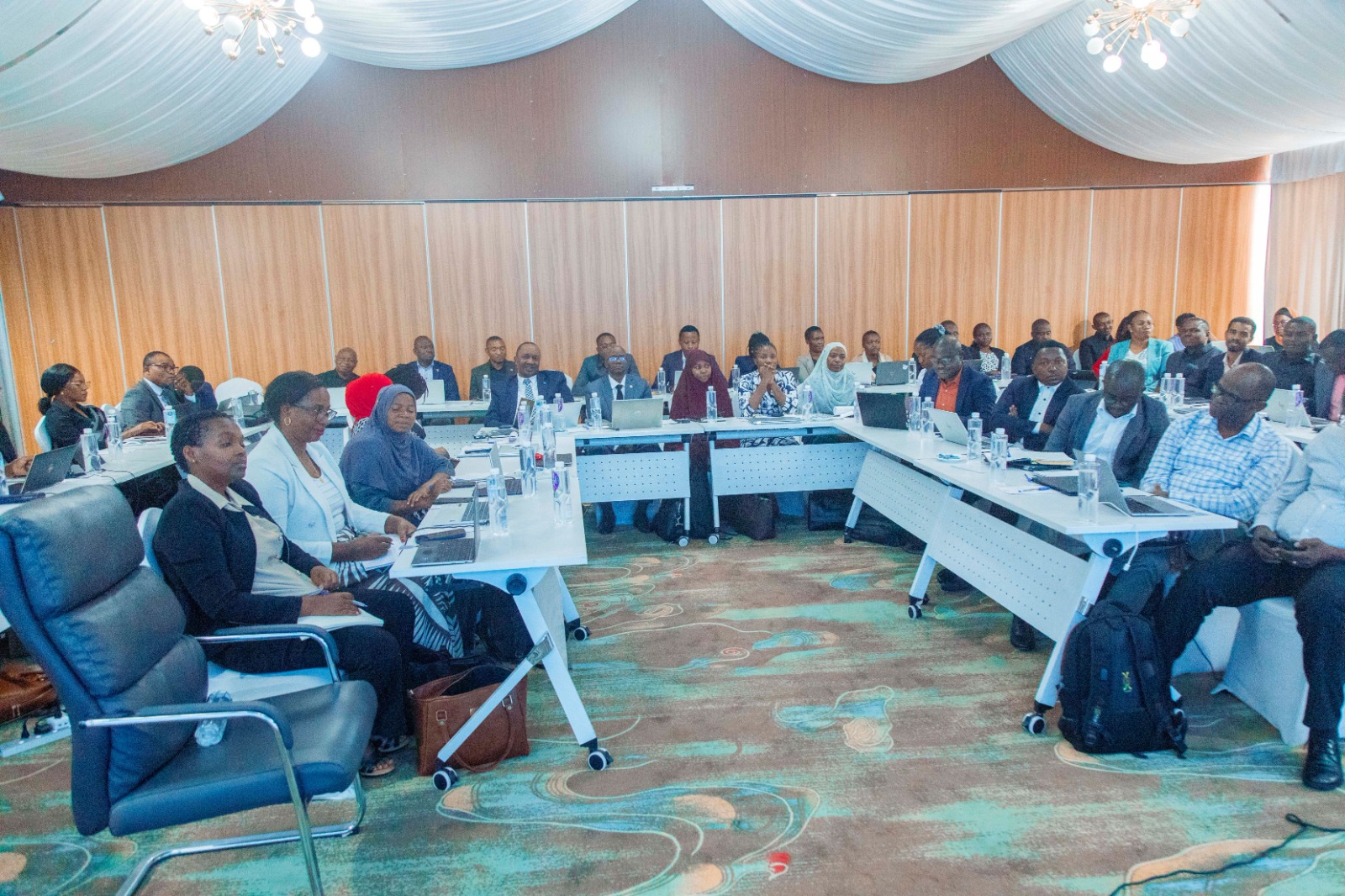
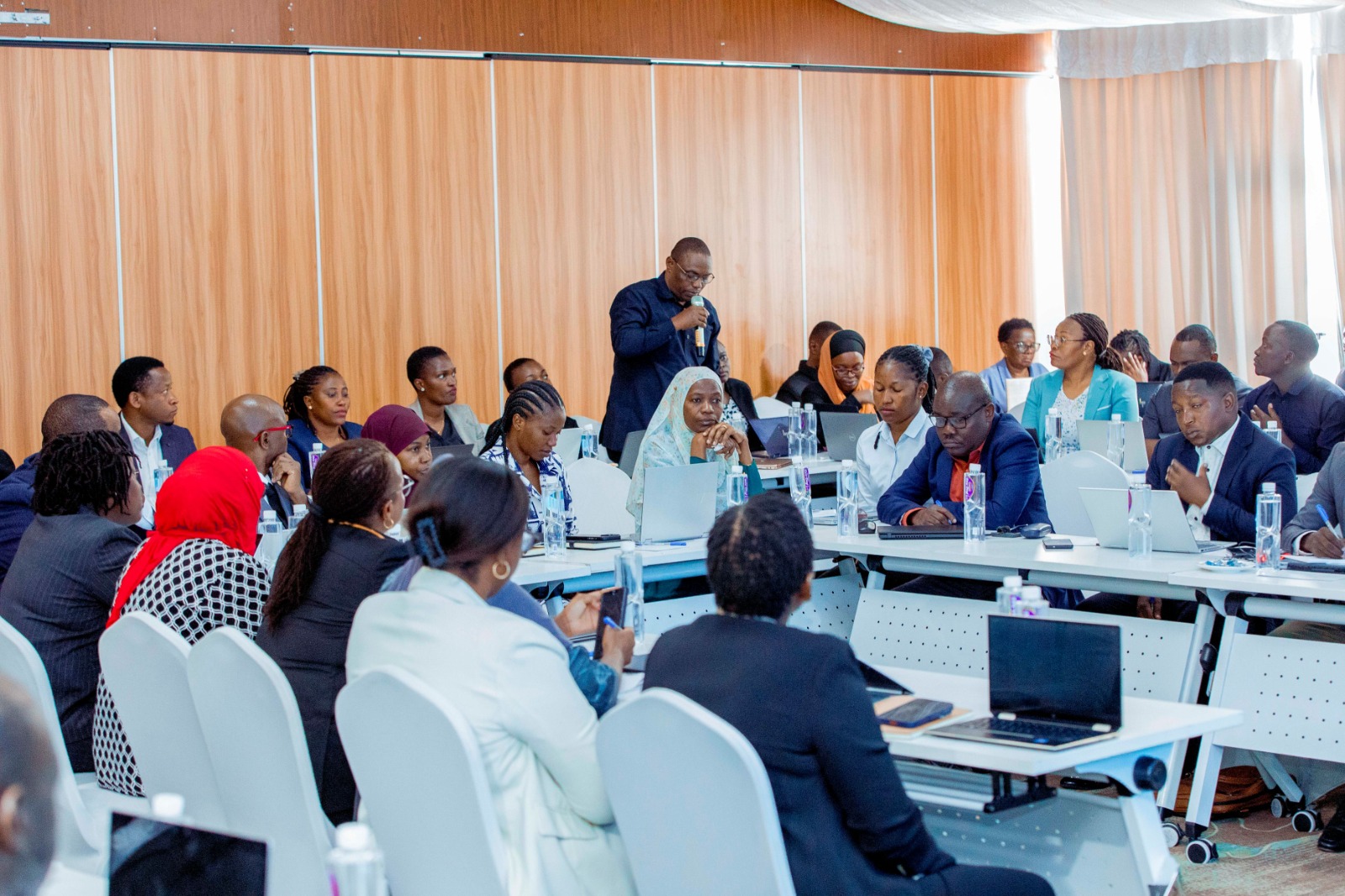
Opening the first meeting of the national preparatory committee in Dodoma on April 20, 2026, Deputy Permanent Secretary (Environment) in the Vice President’s Office, Ambassador Baraka Luvanda, said Tanzania is gearing up to deliver a high-level event that maximises national benefits.
ALSO READ: Tanzanians see wonders in Nawwi Wellness
He said the government has already formed a multi-sectoral national committee comprising ministries, departments and institutions to coordinate preparations and ensure the country fully capitalises on hosting the summit.
“Tanzania, as a signatory to the Nairobi Convention on the protection, management and development of the marine and coastal environment of the Western Indian Ocean, is committed to advancing regional cooperation,” he said.
The Nairobi Convention Secretariat convenes the COP meeting every two years to review progress and address challenges in implementing the treaty and its protocols. During the 11th session held in Antananarivo, Madagascar, in August 2024, Tanzania was selected to chair and host the upcoming COP12.
Alongside preparations for COP12, Tanzania has also been invited to participate in the 11th Our Ocean Conference set for June 16–18, 2026 in Mombasa, Kenya—the first time the global forum will be hosted in Africa. The conference will run under the theme “Our Ocean, Our Heritage, Our Future.”
Director of Blue Economy Development and Coordination in the Vice President’s Office, Magdalena Ngotolainyo, said the Dar es Salaam meeting will attract over 500 participants, including heads of state, scientists and development partners.
She noted that participation in both forums will unlock economic opportunities, particularly in blue economy investments, while strengthening key sectors such as fisheries and tourism and promoting regional marine conservation projects.
The meetings will also provide a platform for knowledge exchange and access to new technologies to improve policies, strategies and programmes for sustainable marine resource management.
A lecturer at the Dar es Salaam Maritime Institute, Engineer Gregory Mella, said the conference will also focus on safeguarding marine resources while ensuring communities continue to benefit from them through activities such as seaweed farming and fishing.
With a coastline stretching over 1,400 kilometres, Tanzania’s coastal communities are closely tied to the ocean, making such international frameworks crucial for balancing conservation and livelihoods.