Tanzania-Mozambique: From political solidarity to strategic economic partners
DAR ES SALAAM: THE story of Tanzania and Mozambique has its roots in a shared struggle for Africa’s liberation. Bound by history, geography and decades of political solidarity, the two neighbouring countries have built one of the continent’s most enduring diplomatic partnerships Today, that relationship is taking on a new dimension.
While the legacy of the liberation struggle remains a defining pillar of bilateral ties, the focus is increasingly shifting towards economic diplomacy, with trade, investment, infrastructure development and regional integration emerging as the new frontiers of cooperation.
In the second part of the Daily News Diplomatic Bench interview series, Tanzania’s High Commissioner to Mozambique, CP Hamad Khamis, discusses the growing economic opportunities between the two neighbouring countries.
He says the strong political trust built over many years now provides a solid foundation for expanding cooperation in trade, investment, infrastructure, energy and regional integration, with the goal of delivering tangible benefits to citizens in both countries.
“Our shared liberation history remains the foundation of our relationship,” CP Khamis says. “But today, our partnership is increasingly being driven by economic cooperation, regional integration and a common vision of shared prosperity.”
According to the High Commissioner, Tanzania-Mozambique relations have grown far beyond traditional diplomacy to encompass cooperation in defence, migration, education, agriculture, science and technology, trade and energy.
More than 30 bilateral agreements and memoranda of understanding now guide collaboration across these sectors. He credits the steady expansion of the partnership to regular engagement between the leaders of the two countries, which has helped sustain political trust while opening new avenues for economic cooperation.
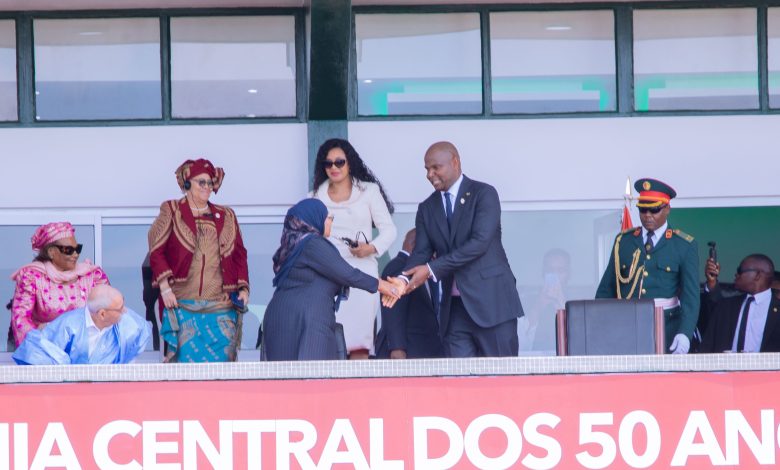
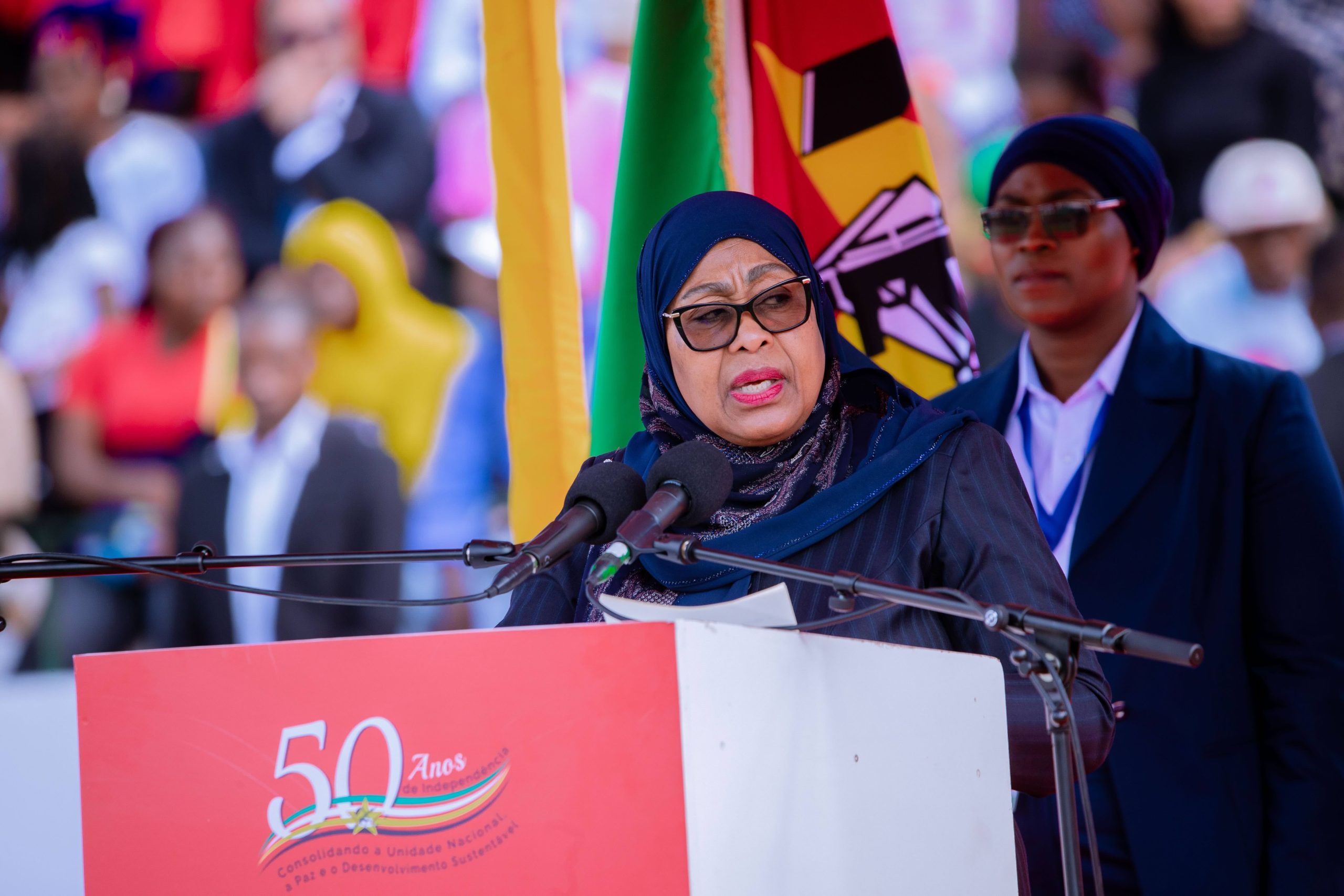
Recent high-level exchanges, including President Samia Suluhu Hassan’s participation as Guest of Honour at Mozambique’s 50th Independence Anniversary celebrations in 2025 and President Daniel Francisco Chapo’s visits to Tanzania since taking office, have further strengthened bilateral ties and reinforced both countries’ commitment to deepening economic cooperation. For CP Khamis, however, one of the partnership’s greatest strengths lies in geography.
Sharing a border of more than 750 kilometres, Tanzania and Mozambique are strategically positioned to serve as a gateway between Eastern and Southern Africa. CP Hamad Khamis says this geographical advantage presents enormous opportunities to expand trade, attract investment and strengthen regional supply chains.
“The shared border of more than 750 kilometres is not simply a boundary; it is one of our greatest economic assets,” he says.
ALSO READ: UWT hails 1.7bn/- oxygen plant at Mafinga hospital
The High Commissioner suggests that the border should be viewed not only as a point of administration and security, but also as a catalyst for commerce, industrial growth and cross-border investment. He says improving transport infrastructure, streamlining customs procedures and strengthening logistics networks would reduce the cost of doing business while facilitating the movement of goods and people.
According to CP Hamad Khamis, this reflects Tanzania’s economic diplomacy agenda, which places greater emphasis on promoting trade, attracting investment and forging commercial partnerships that support national development.
“Modern diplomacy must deliver practical benefits to citizens,” he says.
“Today, the role of a diplomatic mission extends beyond political representation to facilitating trade, investment, partnerships and development cooperation.” Guided by that approach, the Tanzania High Commission in Maputo has been actively connecting businesses from both countries through trade fairs, investment forums and business networking events aimed at creating new commercial opportunities.
The mission has also broadened its engagement beyond Maputo to provinces such as Cabo Delgado and Nampula, where investment prospects exist in agriculture, logistics, tourism and industry. While diplomacy can help create opportunities, CP Khamis says it is ultimately the private sector that will determine the success of bilateral economic relations by turning those opportunities into investments, business partnerships and jobs.
“Tanzania and Mozambique are moving towards a partnership in which diplomacy creates opportunities and the private sector transforms those opportunities into tangible economic and social benefits,” he state.
Looking ahead, CP Hamad Khamis says the next phase of Tanzania-Mozambique relations will be driven by sectors capable of accelerating economic growth, creating jobs and strengthening regional value chains. He identifies transport and logistics, agriculture, agro-processing, energy, education, science and technology as key areas where closer collaboration could deliver significant benefits to both economies.
Transport connectivity, he says, will be critical to unlocking trade by linking ports, production centres and regional markets more efficiently. Better infrastructure would lower logistics costs, facilitate the movement of goods and improve the competitiveness of businesses operating across the border.
“Transport and logistics remain a major priority,” he says. “Tanzania and Mozambique occupy a strategic position linking Eastern and Southern Africa. Strengthening transport corridors connecting ports, production centres and regional markets will reduce logistics costs and stimulate trade.” Beyond boosting bilateral trade, improved transport networks would also strengthen regional supply chains and provide producers with easier access to wider African markets.
The High Commissioner also sees enormous potential in agriculture, which remains the backbone of both economies. He says future cooperation should focus on value addition, agro-processing and technology transfer to maximise the sector’s contribution to economic growth.
“Agriculture and agro-processing also offer significant prospects,” he says.
“Rather than exporting raw products, both countries should promote value addition, processing industries and regional agricultural supply chains that create employment and increase incomes.” The High Commissioner says such an approach would strengthen food security, promote industrialisation and increase rural incomes by attracting greater private-sector investment in agricultural production and processing.
Energy is another sector where he believes Tanzania and Mozambique can deepen their strategic partnership. With both countries endowed with abundant natural gas resources, CP Hamad Khamis says cooperation should go beyond exports to focus on electricity generation, fertiliser production and downstream industries that add value and support long-term industrial growth.
“Energy cooperation is another area of enormous potential,” he says.
“Our natural gas resources provide opportunities not only for exports but also for industrial development, electricity generation, fertiliser production and downstream industries that can accelerate economic transformation.” He cites the Memorandum of Understanding signed in Maputo in June 2026 between Tanzania’s Petroleum Upstream Regulatory Authority (PURA) and Mozambique’s Instituto Nacional de Petróleo (INP) as a significant milestone in strengthening cooperation in the oil and gas sector.
ALSO READ: Vision 2050 starts with every citizen taking responsibility
The agreement, he says, provides a framework for sharing technical expertise, strengthening regulatory capacity and promoting the sustainable development of petroleum resources. Beyond energy, CP Khamis identifies the blue economy as another promising frontier for bilateral cooperation.
With long coastlines along the Indian Ocean, he says Tanzania and Mozambique are well placed to expand collaboration in fisheries, maritime transport, marine tourism, port services and other ocean-based industries capable of creating jobs and attracting investment.
“The blue economy is equally promising,” he says. “Our shared Indian Ocean coastline presents opportunities in fisheries, maritime transport, marine tourism, port services and other sustainable oceanbased industries.” Tourism, he adds, is another sector with considerable potential for closer collaboration.
Instead of promoting destinations separately, Tanzania and Mozambique could develop joint tourism packages that combine Tanzania’s world-renowned wildlife and cultural attractions with Mozambique’s beaches, islands and marine tourism, encouraging visitors to experience both countries in a single itinerary.
According to CP Hamad Khamis, these complementary strengths underscore the fact that Tanzania and Mozambique are partners rather than competitors, with significant opportunities to develop regional value chains that benefit businesses, investors and local communities.
Despite this potential, the High Commissioner acknowledges that several challenges continue to constrain bilateral trade and investment. Businesses, he says, still face administrative bottlenecks, infrastructure gaps and regulatory hurdles that increase the cost of doing business and impede the efficient movement of goods and services across the border.
“Cross-border cooperation between Tanzania and Mozambique offers enormous opportunities, but like any partnership between neighbouring countries, it also presents challenges that require continuous dialogue and practical solutions,” he says.
Among the key obstacles are lengthy border procedures, licensing requirements, differing product standards and limited access to market information, particularly for small and medium-sized enterprises seeking to expand into neighbouring markets.
The High Commissioner also notes that inadequate transport infrastructure, logistics services and digital connectivity continue to constrain trade, making it more expensive for businesses to move products across the border and access regional markets.
Addressing these constraints, he argues, will require coordinated action by both governments and stronger collaboration among customs, immigration and other border management institutions.
He says existing bilateral mechanisms, particularly the Standing Joint Commission for Cooperation, remain central to identifying bottlenecks, reviewing progress and developing practical solutions that facilitate trade while maintaining border security.
“The long-term objective is to transform the common border from a point of control into a platform for trade, investment, industrial development and people-to-people connectivity while maintaining security and orderly movement,” he says.
Beyond improving border efficiency, CP Khamis believes the next decade presents a unique opportunity for Tanzania and Mozambique to position themselves as strategic economic partners within Africa. He argues that future cooperation should be guided by longterm development priorities that strengthen industrialisation, build economic resilience and create sustainable employment rather than focusing solely on increasing trade volumes.
“The next five to ten years present a significant opportunity for Tanzania and Mozambique to deepen their strategic partnership and strengthen their position as important economic partners within Africa,” he says.
Central to that vision is greater investment in industries capable of adding value to the abundant natural resources found in both countries. The High Commissioner believes natural gas cooperation should increasingly support domestic manufacturing, electricity generation and fertiliser production, creating stronger industrial linkages and reducing dependence on commodity exports.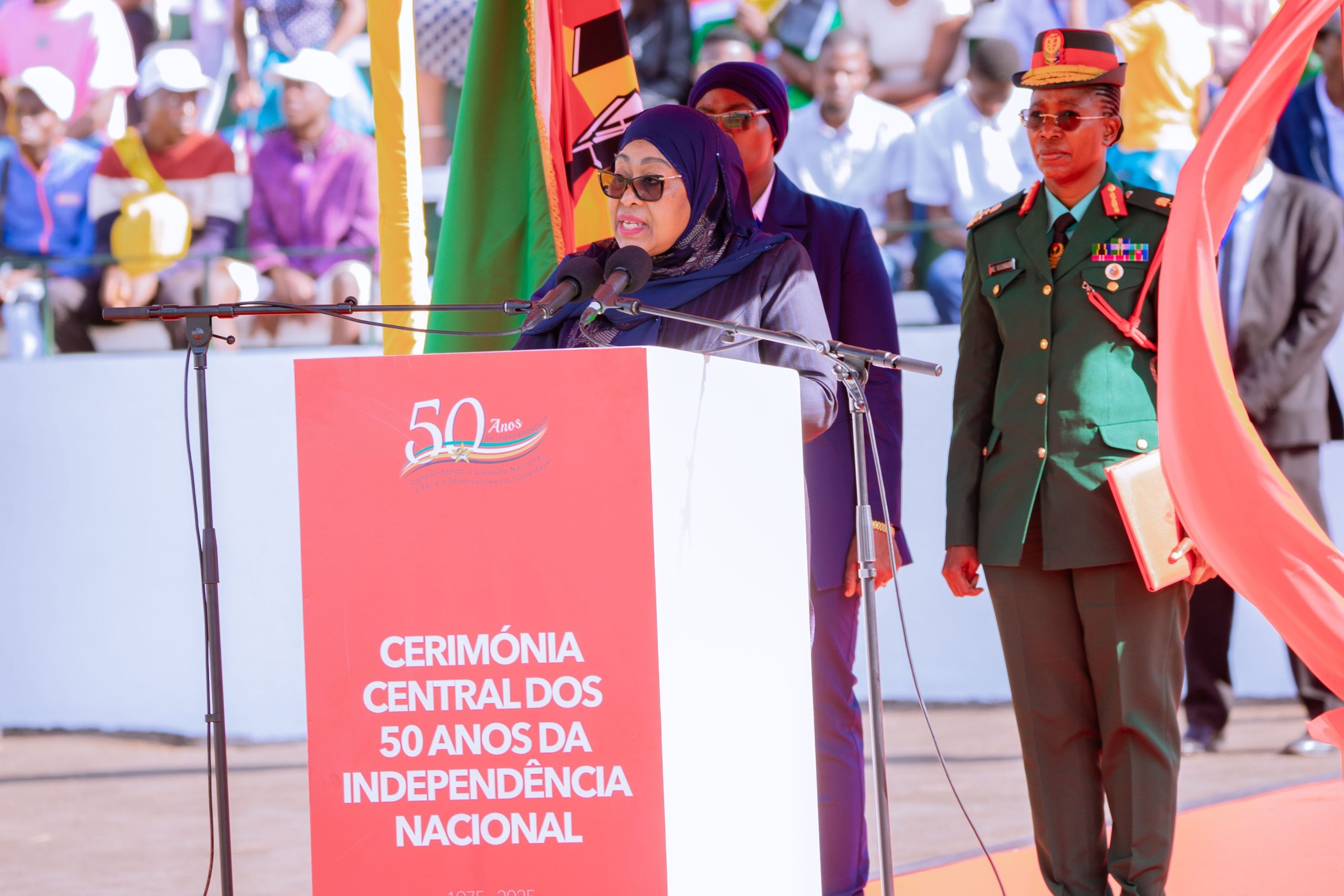
He also sees significant scope for expanding collaboration in the blue economy through sustainable fisheries, aquaculture, marine research, coastal tourism and maritime transport.
“Through cooperation in sustainable fisheries, aquaculture, marine research, maritime transport, coastal tourism and marine conservation, both countries can unlock new sources of economic growth while protecting marine ecosystems,” he says.
Improved transport connectivity, he adds, will remain a key enabler of broader regional integration. Efficient road, rail and port infrastructure linking production centres with regional and international markets would not only boost bilateral trade but also enhance the competitiveness of agriculture, mining, manufacturing and tourism. For CP Khamis, the objective extends beyond improving physical infrastructure.
It is about creating an integrated economic space where businesses can operate more efficiently, investment flows more freely and regional value chains become stronger.
Such an approach, he believes, would allow Tanzania and Mozambique to capitalise on their strategic location while contributing more effectively to Africa’s broader integration agenda under regional economic communities and the African Continental Free Trade Area (AfCFTA).
While the opportunities for closer cooperation are substantial, CP Hamad Khamis believes unlocking their full potential will depend on stronger participation by the private sector. Trade between Tanzania and Mozambique, he says, remains below what should be expected of two neighbouring economies with complementary resources, extensive transport links and shared membership in regional economic organisations.
“The trade potential between Tanzania and Mozambique is considerably greater than current levels. Our geographical proximity, complementary economies and shared membership in regional organisations provide a solid foundation for expanding bilateral trade,” he says.
To bridge that gap, the High Commissioner calls for sustained efforts to simplify border procedures, harmonise standards, improve customs cooperation and provide businesses with better access to market information.
He says diplomatic missions have an important role to play by connecting investors with potential partners, facilitating business forums and helping enterprises identify commercial opportunities across the border. Ultimately, however, it is entrepreneurs and investors who will determine the pace of economic integration.
“The private sector must remain the principal driver of bilateral economic relations,” he says, noting that closer collaboration between chambers of commerce and business associations could unlock opportunities that remain largely untapped.
CP Khamis also links the growing partnership with Tanzania’s broader development agenda, particularly the implementation of Development Vision 2050, which places industrialisation, innovation, infrastructure development and regional integration at the centre of long-term economic transformation.
He believes closer collaboration with Mozambique can support these objectives by expanding market access, encouraging investment and strengthening productive sectors such as agriculture, energy, manufacturing and technology.
“Regional integration creates economies of scale,” he says.
ALSO READ: Meet the women who grow more than crops
“African economies often face the challenge of relatively small domestic markets, but cooperation enables businesses to expand beyond national borders, attract investment and participate more effectively in regional and global value chains.” He adds that deeper cooperation in areas such as food security, energy security and climate resilience would better position both countries to respond to global economic uncertainties while promoting sustainable development.
For the High Commissioner, the relationship has now reached a stage where its success should be measured less by diplomatic protocol and more by its impact on people’s lives.
He envisions a future in which integrated transport corridors support regional commerce, reliable energy supplies power industrial growth, educational partnerships produce a skilled workforce and businesses on both sides of the border benefit from a more seamless trading environment.
“My vision is to see Tanzania and Mozambique build an even stronger strategic partnership that moves beyond historical friendship towards shared prosperity, economic interdependence and regional leadership,” he says.
That vision, he argues, will require continued political commitment, stronger institutions and an enabling business environment capable of attracting investment and supporting innovation. He also hopes to see greater cooperation in education, technology, infrastructure and cross-border development, areas he considers essential to building more resilient and competitive economies.
High Commissioner CP Khamis, insists that diplomacy should ultimately be judged by the tangible benefits it delivers to citizens.
“Ultimately, diplomacy is about people,” he says. “Its greatest success is measured by its contribution to peace, prosperity, dignity and improved livelihoods.” He says the future of TanzaniaMozambique relations will depend on turning decades of political trust into stronger trade, greater investment, deeper regional integration and shared prosperity that improves the lives of people in both countries. Read Part Three of this interview on Friday.