Tanzania moves to transform its mining sector from export of raw materials into higher-value mineral products
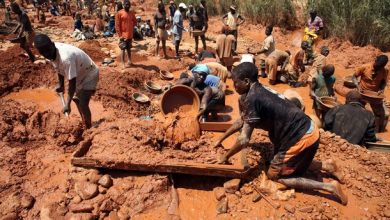
HELSINKI: TANZANIA has outlined plans to transform its mining sector from one largely focused on mineral extraction and the export of raw materials into a competitive value chain covering processing, refining, manufacturing and the export of higher-value mineral products.
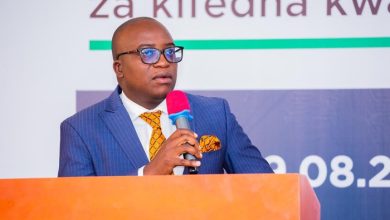
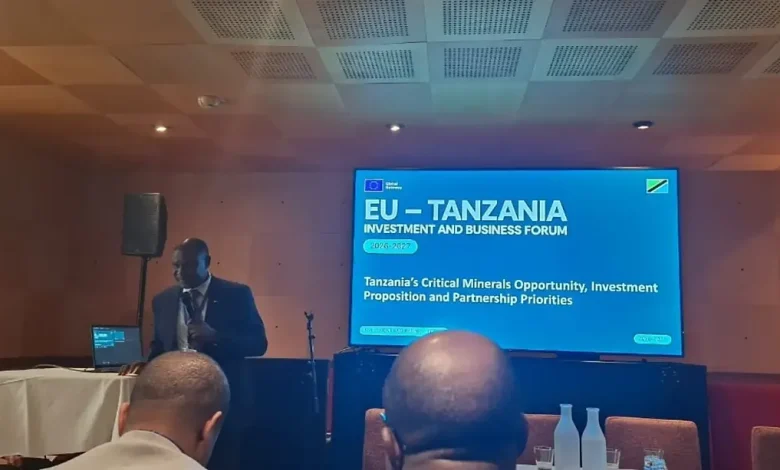
The Deputy Permanent Secretary in the Ministry of Minerals, Msafiri Mbibo, made the remarks on September 28, 2026, in Helsinki, Finland, during the Tanzania–European Union Investment and Business Forum.
Mbibo said Tanzania has significant potential to become an important player in global mineral value chains, citing the country’s deposits of gold, diamonds, tanzanite, ruby, sapphire, tsavorite and zircon, as well as critical and strategic minerals including graphite, nickel, rare earth elements (REEs), uranium, copper and lithium.
He said the government is seeking investors who can go beyond mineral extraction by bringing capital, technology, technical expertise and access to international markets to support processing, refining, manufacturing, infrastructure development, specialised services and other mining-related businesses.
Among the investment opportunities highlighted are the Kabanga Nickel and Ngualla Rare Earth projects, graphite projects in Mahenge and Lindi, and the Sotta Uranium project, alongside opportunities in gold, copper, lithium and gemstones.
Mbibo said Tanzania is continuing to create a more conducive investment environment through predictable policies and legislation, formal investment agreements, improving infrastructure and a tax regime that provides incentives to investors.
ALSO READ: Saudi Gold Refinery announces bid to investment in Tanzania’s mining sector
The government is also strengthening energy, railway, road, airport and port infrastructure to support mineral production, processing and trade.
“The mining sector contributed 10.3 per cent of GDP in 2025 and accounts for more than 50 per cent of Tanzania’s export earnings. This mineral wealth provides an opportunity for the country to increase revenue, create jobs, attract foreign investment and stimulate industrialisation,” Mbibo said.
He stressed the importance of increasing mineral beneficiation, processing and refining as part of efforts to derive greater economic value from Tanzania’s mineral resources.
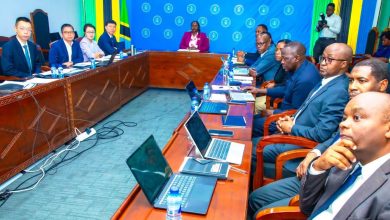
Meanwhile, the Executive Director of the Geological Survey of Tanzania (GST), Engineer Ally Samaje, said various parts of the country have significant investment potential in strategic minerals, including nickel, copper, cobalt, rare earth elements, tin, tungsten, gold, platinum group metals (PGMs), uranium, graphite, lithium, iron ore, helium, hydrogen, titanium minerals and heavy minerals.
Samaje said the government plans to expand geological exploration using High-Resolution Airborne Geophysical Surveys, increasing coverage from the current 16 per cent of the country to 50 per cent by 2030.
Geochemical exploration coverage is also targeted to increase from 24 per cent to 50 per cent over the same period.
The government says the expansion of geological exploration and development of mineral value chains will help identify new investment opportunities while supporting greater local processing, industrialisation and value addition in Tanzania’s mining sector.