Tanzania launches trial to cut child diarrhoea

DAR ES SALAAM: TANZANIA has launched a clinical trial to find new ways of reducing childhood diarrhoeal diseases by testing whether probiotics can strengthen rotavirus vaccine protection and reduce antibiotic use.
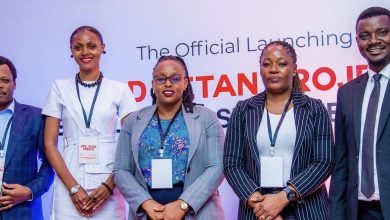
The Muhimbili University of Health and Allied Sciences (MUHAS) in collaboration with the National Institute for Medical Research (NIMR) and international partners, yesterday in Dar es Salaam launched the PRORota Clinical Trial, which will assess whether probiotics can improve the effectiveness of the rotavirus vaccine, reduce diarrhoeal diseases among children and contribute to efforts against antimicrobial resistance (AMR).
The study brings together researchers from Tanzania, Norway, Malawi and Ivory Coast and is supported by the European and Developing Countries Clinical Trials Partnership (EDCTP).
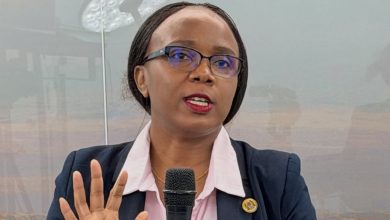
Launching the trial, Deputy Permanent Secretary in the Prime Minister’s Office responsible for Health, Prof Tumaini Nagu said Tanzania had recorded significant improvements in maternal and child survival, but infectious diseases remained an important challenge requiring continued investment in research and healthcare interventions.
“PRORota is therefore highly important by investigating whether probiotics can enhance the effectiveness of rotavirus vaccination, reduce diarrhoeal diseases and potentially reduce antibiotic exposure and AMR,” Prof Nagu said.
She said maternal mortality had fallen from 554 deaths per 100,000 live births in 2015/16 to 104 deaths per 100,000 in 2022, representing an approximately 80 per cent reduction.
ALSO READ: Tanzania sees good progress in its preps for AFCON co-hosting
Prof Nagu said under-five mortality had also declined from 65 to 43 deaths per 1,000 live births, while neonatal mortality had slightly fallen from 25 to 24 deaths per 1,000 live births.
She said hospital-based evidence showed that neonatal sepsis contributed 13.6 per cent of neonatal deaths, while other neonatal infections accounted for 8.8 per cent. Among late neonatal deaths, sepsis and other infectious diseases together accounted for almost half of the deaths.
Prof Nagu said diarrhoeal diseases remained a significant and preventable cause of childhood morbidity and mortality.
She noted that diarrhoeal diseases also drive healthcare utilisation and antibiotic consumption, creating a direct link between childhood infections and the growing challenge of antimicrobial resistance.
She said the PRORota trial was therefore important in establishing whether probiotics could enhance the effectiveness of rotavirus vaccination, reduce diarrhoeal diseases and potentially reduce antibiotic exposure.
NIMR Director General, Prof Said Aboud, said the institute will play a central role in ensuring the study is conducted in accordance with required ethical and scientific standards.
He said NIMR will lead the ethics work package, an important responsibility given that the research involves infants across three countries.
Prof Aboud said the institute will coordinate the Data Safety Monitoring Board and an independent ethics adviser to provide oversight throughout the project.
He said NIMR will also support the consortium in addressing ethical issues that could arise during implementation while maintaining high standards of research integrity and participant protection.
MUHAS Acting Vice-Chancellor, Prof Bruno Sunguya, said the university was committed to advancing research that addresses pressing public health challenges and contributes to improved health outcomes for children.