TZ makes strides towards healthcare for all
DAR ES SALAAM: HEALTHCARE for all has been a major priority during President Samia Suluhu Hassan’s first year in her current term, with the rollout of Universal Health Coverage aimed at making medical treatment more affordable and accessible to all Tanzanians.
From expanding health facilities and recruiting medical personnel to improving the availability of medicines and modern equipment, her administration has continued investing in a health system that responds to citizens’ needs, particularly those of vulnerable households and communities with limited access to essential services.
The reforms reflect a broader ambition to ensure that the cost of treatment does not push families into financial hardship or prevent patients from seeking medical attention when they need it.
As President Samia marks one year since she was sworn in for her current term, progress in health financing, infrastructure and service delivery offers an opportunity to assess how her administration is translating its healthcare commitments into tangible benefits for Tanzanians.
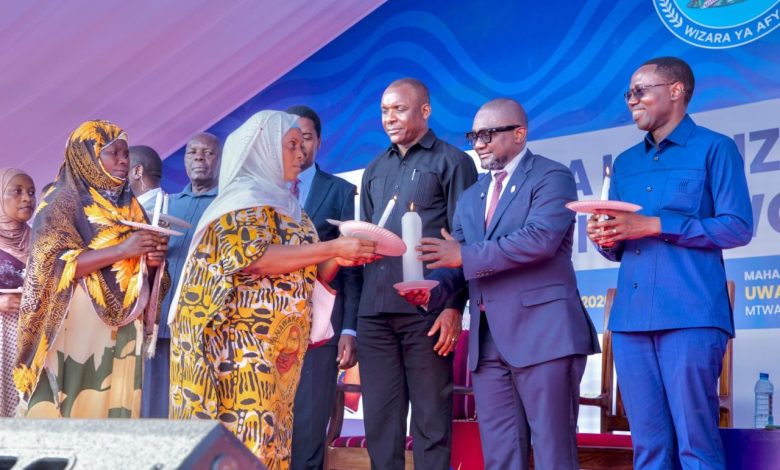
A major step in this direction was the commencement of Universal Health Insurance implementation on January 26, 2026, fulfilling President Samia’s pledge to begin the programme within the first 100 days of her second term.
The initiative is designed to expand access to essential healthcare by protecting households against medical expenses they might otherwise struggle to meet.
Under the first phase, the government is financing insurance premiums for 276,004 vulnerable households, covering approximately 1.46 million people, including older people, children, pregnant women and persons with disabilities.
The second phase, launched in Mtwara, targets another 625,000 households unable to afford health insurance, extending financial protection to families that are particularly vulnerable to the cost of illness.
The programme reflects the administration’s intention to make healthcare financing more equitable by ensuring that vulnerable families can access treatment without having to meet the full cost from their own pockets.
Its success will depend on effective registration, public awareness, adequate financing and the capacity of health facilities to provide services to enrolled beneficiaries.
When addressing the 13th Parliament in November 2025, President Samia said the government was preparing proposals for the pilot implementation of UHC and called on Members of Parliament to support the reforms, which she described as an important step towards improving access to quality healthcare.
She also outlined plans to connect health facilities digitally and ensure they had appropriate equipment and services according to their respective levels.
The aim, she said, was to establish common standards so that people using health insurance in urban and rural areas could access comparable services.
The President further directed the Ministry of Health to enforce instructions preventing hospitals from withholding bodies of deceased patients while families made arrangements to settle outstanding medical bills in ways that protected their dignity.
She said wider insurance coverage would help end the practice by ensuring treatment costs were covered through insurance.
Beyond health financing, expanding infrastructure has remained important in bringing services closer to communities and reducing the distance patients must travel to receive medical attention.
Ministry of Health figures show that the number of health facilities increased from 10,153 in the 2021/22 financial year to 13,683 by March 2026.
ALSO READ: Tanzania, Angola affirm commitment to regional peace and better healthcare
The expansion includes 119 district hospitals, 649 health centres and more than 2,700 dispensaries, strengthening the reach of services across the country.
More than 85 per cent of Tanzanians live within five kilometres of a health facility, according to the figures provided, an improvement that is particularly important for rural communities where distance and transport costs can delay treatment.
However, the presence of a facility does not automatically guarantee quality healthcare. Patients also need qualified personnel, functioning equipment, essential medicines and reliable diagnostic services.
This has made the recruitment and deployment of health workers another important component of the government’s efforts.
Between July 2025 and March 2026, the government recruited 5,000 health workers in different cadres, bringing the total health workforce to 182,430 nationwide.
Of these, 142,794, equivalent to 78 per cent, were serving at primary healthcare level.
The concentration of personnel at dispensaries and health centres is significant because these facilities are often the first point of contact for patients.
Adequate staffing can improve early diagnosis, treatment and referral, while reducing pressure on regional and national hospitals.
Nevertheless, continued recruitment and equitable deployment remain necessary to address staffing shortages and ensure that communities in underserved areas receive dependable services.
Investment in medical equipment has also helped strengthen the capacity of health facilities to diagnose and treat patients.
According to Ministry of Health figures, more than 85 per cent of health centres and dispensaries had been improved and supplied with essential diagnostic and treatment equipment, while referral hospitals received advanced technologies, including CT scanners, MRI machines and modern laboratory equipment.
The improvements are intended to support earlier diagnosis, more effective treatment and better management of complex medical conditions.
They can also reduce the need for patients to travel long distances to access specialised investigations.
For these investments to deliver lasting benefits, equipment must remain functional, adequately maintained and supported by trained personnel.
The availability of medicines and medical supplies is equally important in ensuring that patients receive the treatment prescribed by health professionals.
The government has increased funding for medicines and medical supplies, with the allocation rising from 200bn/- to 398.2bn/-, according to the figures provided by the Ministry of Health.
The Medical Stores Department has also reported an increase in the availability of essential health commodities from 58 per cent in the 2021/22 financial year to 88 per cent by March 2026.
Improved availability can reduce interruptions in treatment and the additional financial pressure on patients who have to purchase prescribed medicines from private pharmacies when public facilities run out of stock.
President Samia highlighted the country’s broader health sector progress when addressing the African Union Special Summit of Heads of State and Government on Health in Accra, Ghana, in July this year.
She said African countries had the knowledge, human resources and capacity to transform their health systems but needed stronger political commitment, increased domestic investment and greater solidarity.
President Samia said Tanzania was implementing the African Union Health Roadmap 2030 by incorporating its priorities into the National Five-Year Development Plan for 2026/27– 2030/31.
The priorities include strengthening health systems, promoting local pharmaceutical production and increasing selfreliance in healthcare services.
She also reported that policy and legal reforms had attracted investment in pharmaceutical manufacturing, resulting in the establishment of 13 pharmaceutical manufacturing industries, while 149 investors had expressed interest in investing in the country