Tanzania expands recognition of skills acquired outside the formal education system
MOROGORO: Tanzania has officially launched a process to expand the recognition of skills acquired outside the formal education system in a move aimed at benefiting youth and women engaged in the culture and creative industries.
The initiative seeks to transition young people from informal employment into decent jobs with legal protection and social security coverage.
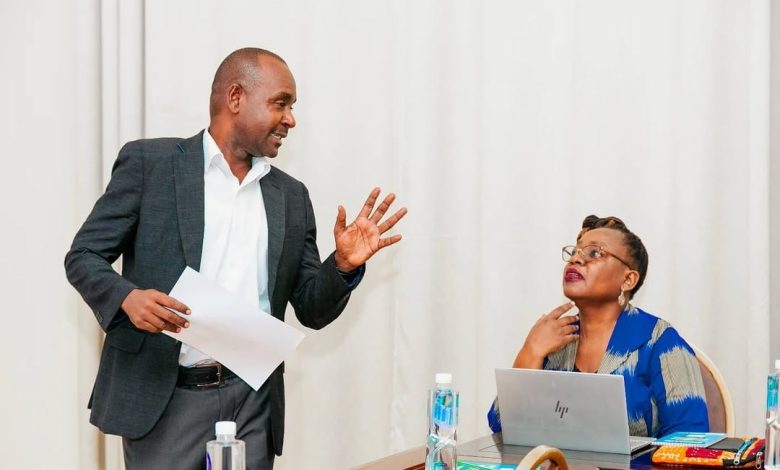
The process was discussed today, during a workshop that brought together 42 representatives from ministries responsible for labour and employment, employers’ and workers’ organizations, creative industry associations, training institutions, and qualification authorities.
The workshop was organized by the International Labour Organization (ILO) under the Global Skills programme with funding from the Government of Norway.
Speaking at the workshop, Hafidh Khamis, National Programme Officer at the ILO, said the goal of expanding the Recognition of Prior Learning (RPL) system is to ensure that young people working in the creative sector receive formal recognition of their skills.
ALSO READ: Tanga claims 4th place in the regional assessment of health incidents, their impacts
“The culture and creative sector is growing rapidly and contributes significantly to employment and income generation.
We want to see young people’s talents formally recognised so they can access better employment opportunities, contracts, and entrepreneurship prospects,” he said.
The workshop focused on extending the RPL framework to the cultural and creative economy, including music, film, performing arts, handicrafts, fashion, publishing, and digital creativity.
On his part, Witness Siöbjorn, a Bongo Flava musician and President of the Tanzania Musicians Union (TAMUFO), said that for many years artists have relied on experience without formal recognition within sectoral systems.
“I have over 20 years of experience in the arts. I have faced many challenges to reach where I am today, and even now, although the arts have become a source of employment, those challenges persist. Young people lack formal systems that recognise their skills. This framework will help us gain status and credibility in the labour market,” he said.
Meanwhile, Mrisho Mrisho, Acting Director of Research and Marketing at the National Arts Council (BASATA), noted that women make up a significant portion of the workforce in the creative sector, particularly in handicrafts, fashion, and performing arts. However, they face challenges related to access to formal training, capital, and markets.
He said that through the gender-responsive expansion of RPL, women will have greater opportunities to gain formal skills recognition, access higher-value markets, and secure decent employment.
Dr Kassim Kapalata, Director of Occupational Health and Safety at the Trade Union Congress of Tanzania (TUCTA), said many young people in the creative sector operate in informal settings without contracts or social protection. He emphasised the importance of joining trade union federations to safeguard their rights.
“Skills recognition is an important bridge to move young people from informal work into formal and sustainable employment. I advise young artists to join trade union federations so they can have a collective voice and ultimately secure their rights,” said Dr Kapalata.
Through the workshop, stakeholders have begun developing a strategic framework to ensure that skills recognition aligns with labour market needs and that decent work principles are formally integrated into the creative sector.