Tanzania embraces market intelligence for agri-business
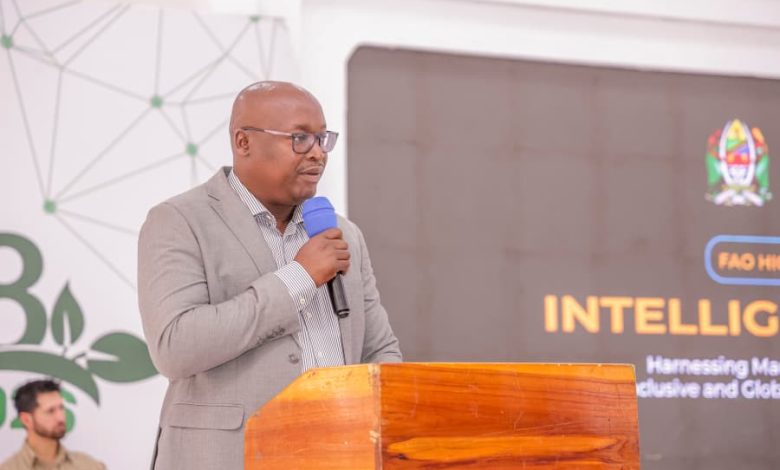
DODOMA: TANZANIA has underscored the importance of market intelligence as a strategic tool for building a productive, inclusive and globally competitive agrifood system, saying access to timely and reliable market information is essential for increasing exports, attracting investment and improving farmers’ incomes.
Speaking at the Food and Agriculture Organization (FAO) high-level side event on “From Intelligence to Impact: Harnessing Market Intelligence for Productive, Inclusive and Globally Competitive Agrifood Systems,”Deputy Minister for Industry and Trade, Denis Londo, said the rapidly changing global marketplace requires countries to make decisions based on accurate and actionable market intelligence.
He said evolving quality and safety standards, digital transformation and climate change are reshaping global trade and supply chains, making market intelligence a “strategic weapon” for economic development.
“Our aspiration under Tanzania’s Development Vision 2050 is to build a modern, industrialised and export-oriented economy. This requires a fundamental shift from producing first and looking for markets later to producing with a clear understanding of market demand from the outset,” Mr Londo said.
He stressed that the country must ensure the right market information reaches the right people at the right time to support informed decision-making across agricultural value chains.
The Deputy Minister called on institutions responsible for agriculture, trade promotion, investment, regulation, finance and local government to strengthen coordination, saying Tanzania’s competitiveness cannot be achieved through isolated efforts.
“Agriculture sector ministries, regulatory authorities, financial institutions, local government authorities, diplomatic missions and the private sector must work together as one coordinated ecosystem,” he said.
ALSO READ: COP30: Urgent financing to transform agrifood systems
Mr Londo noted that reliable market intelligence enables the government to respond to export opportunities through evidence-based planning rather than assumptions. This includes verifying market requirements, assessing national production capacity, assigning institutional responsibilities and communicating market opportunities to farmers, processors and traders.
He said Tanzania’s economic transformation should not be measured solely by export growth but also by increased household incomes, job creation and inclusive development.
The FAO side event brought together government leaders, development partners, policymakers and private sector stakeholders to discuss how market intelligence can strengthen agrifood systems, improve value addition and enhance Africa’s competitiveness in regional and international markets.