Tanzania deepens resource nationalism drive as Africa rethinks control of strategic minerals
DODOMA: Tanzania is intensifying efforts to expand state influence over its mining sector and increase domestic benefits from mineral extraction, as African governments push for greater control of strategic resources amid rising global demand for critical minerals tied to the energy transition.
The East African nation, one of Africa’s leading gold producers and an emerging supplier of graphite, nickel and rare earth minerals, has in recent years adopted policies aimed at increasing local participation, expanding mineral processing and strengthening government oversight of the extractive industry.
The shift reflects a broader continental trend often described as “resource nationalism,” where governments seek larger economic returns, greater ownership and stronger control over natural resources historically dominated by foreign investors.
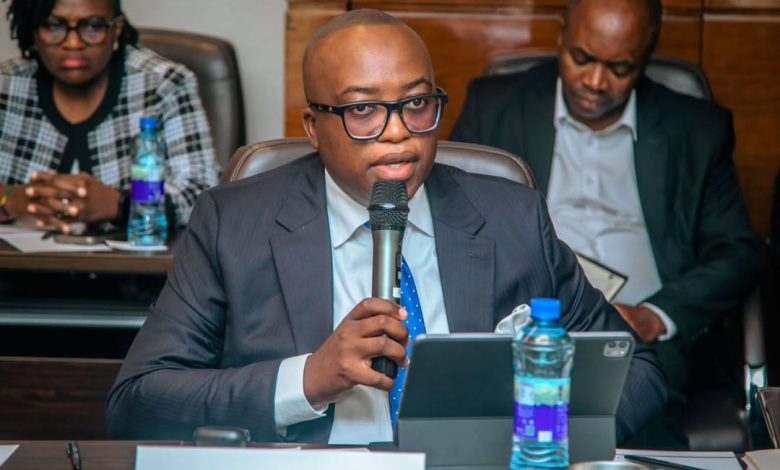
Tanzania’s Minerals Minister Anthony Mavunde said the country’s objective was to ensure mining contributes directly to industrialisation, employment and national economic transformation.
“We want Tanzania’s resources to create value within the country through beneficiation, technology transfer and local participation,” Mavunde said during recent industry discussions linked to regional mining cooperation.
The policy direction aligns with growing calls by the Southern African Development Community for African states to strengthen cooperation in mineral development and negotiate from a stronger collective position as global competition for strategic minerals intensifies. (sadc.int)
Across Africa, governments are increasingly seeking to avoid remaining exporters of raw commodities while wealthier economies capture higher-value manufacturing linked to electric vehicles, battery storage and renewable energy technologies.
In Tanzania, resource nationalism accelerated following major mining reforms introduced over the past decade, including increased government stakes in mining projects, tighter export regulations and expanded local-content requirements.
Authorities also promoted domestic mineral processing, including gold refining and plans for expanded value-addition infrastructure tied to battery minerals.
Foreign Affairs and East African Cooperation Minister Mahmoud Thabit Kombo said Africa must ensure its natural resources serve long-term development interests rather than external industrial priorities.
“There is increasing recognition across the continent that Africa must protect its strategic economic interests while remaining open to responsible investment partnerships,” Kombo said in comments supporting regional industrial cooperation.
Analysts say Tanzania’s approach reflects a balancing act between attracting foreign capital and responding to domestic pressure for greater economic sovereignty over natural resources.
ALSO READ: Tanzania calls for stronger ties in minerals value-addition
“The global scramble for critical minerals has strengthened the bargaining position of resource-rich African countries,” said a Dar es Salaam-based mining policy analyst. “Governments now see these minerals not only as exports but as geopolitical and industrial assets.”
The growing importance of graphite, nickel and rare earth minerals has elevated Tanzania’s strategic position as major economies including China, the United States and the European Union compete to secure stable mineral supply chains.
At the same time, mining investors continue to caution that regulatory unpredictability, taxation disputes and state intervention could affect long-term investment decisions.
Tanzania has in recent years attempted to improve relations with international investors after earlier disputes involving mining contracts and revenue-sharing arrangements.
President Samia Suluhu Hassan’s administration has sought to project a more investment-friendly image while maintaining core policies aimed at increasing national returns from mineral extraction.
Regional experts say resource nationalism is likely to remain central to African economic policy as governments seek to leverage mineral wealth into industrialisation and stronger negotiating power in global markets.