Tanzania conducts a comprehensive assessment of the 30 percent tax imposed on forest products export
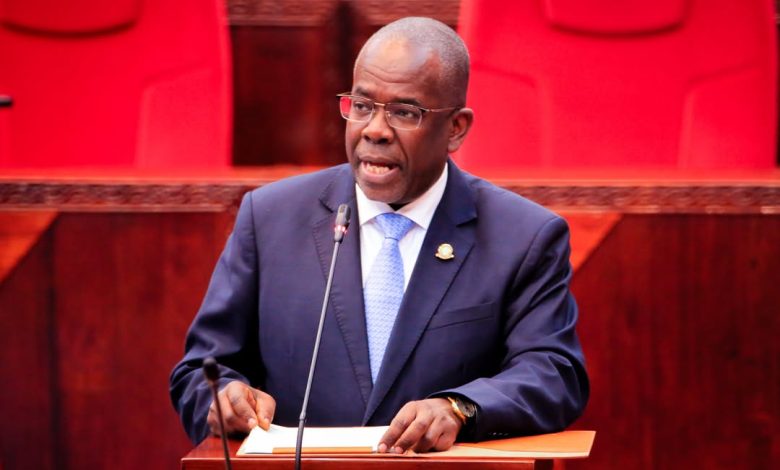
DODOMA: THE Tanzanian government has announced it will continue conducting a comprehensive assessment of the 30 percent tax imposed on the export of forest products, with the aim of protecting domestic industries without undermining sectoral growth.
The statement was made in Parliament in Dodoma by the Minister of Finance, Ambassador Khamis Mussa Omar, while responding to a supplementary question raised by Special Seats MP Timida Mpoki on behalf of Mafinga Urban MP Dickson Nathan Lutevele. The inquiry sought to establish whether the government is prepared to review the tax following concerns raised by industrial stakeholders.
In his response, Ambassador Omar emphasized that the government cannot make abrupt policy decisions without thorough evaluation. He explained that the introduction of the tax was intended to curb the export of unprocessed or minimally processed forest products and to safeguard the availability of raw materials for domestic industries.
He noted that the measure was a strategic intervention designed to ensure that local industries have sufficient access to raw materials, rather than allowing these resources to be exported without adequate value addition.
However, the minister acknowledged that the government has begun receiving feedback from stakeholders indicating that some industries—particularly medium-sized enterprises—have been adversely affected by the tax.
“It is true that some industries are being affected. The government is taking this matter seriously, which is why we are continuing with a detailed assessment,” he stated.
ALSO READ: TRA informs business owners to submit income tax returns before June 30
He further explained that the evaluation is being conducted jointly by the Ministry of Finance and the Ministry of Natural Resources and Tourism, with the objective of thoroughly analyzing the impact of the tax before reaching a final decision.
Ambassador Omar added that if the assessment reveals that the tax is causing more harm than benefit, the government will not hesitate to introduce appropriate adjustments to protect investment, employment, and the sustainability of domestic industries.
Responding to the main question, he clarified that prior to the 2025 legal amendments, there was a significant increase in the export of unprocessed or partially processed forest products, leading to shortages of raw materials for local industries.
As a result, the government amended the Export Act in 2025 by introducing a 30 percent levy or a specific rate per kilogram for products such as veneer sheets, with the objective of strengthening domestic raw material supply and promoting value addition within the country.
The measure continues to be viewed as part of a broader industrial policy aimed at enhancing local value addition, although it requires careful calibration to avoid negative impacts on investors and production capacity.