Tanzania, Bloomberg, WHO review a draft strategy to reduce, prevent harmful effects of lead exposure
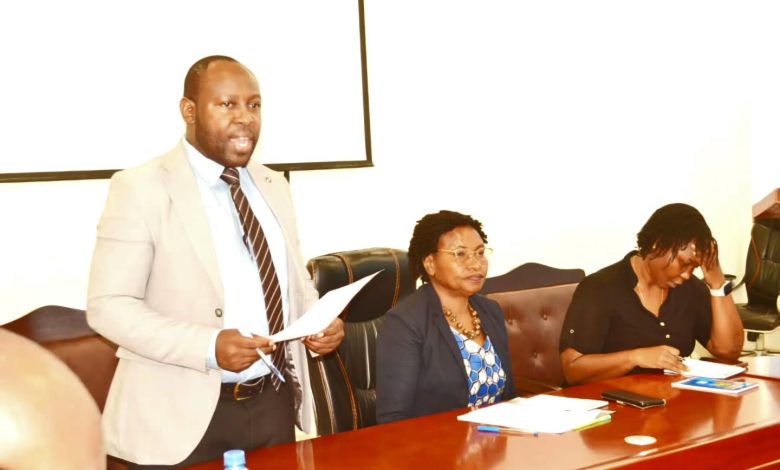
DODOMA: THE Ministry of Health, in collaboration with Bloomberg Philanthropies through the World Health Organization (WHO), Pure Earth, Vital Strategies and the Lead Exposure Elimination Project, has held a stakeholder review and consensus meeting on the National Strategy for the Reduction, Prevention and Control of Lead Exposure 2026–2031 in Dodoma.
The meeting reviewed a draft strategy aimed at reducing and preventing the harmful effects of lead exposure. Stakeholders recommended strengthening the Tanzania Bureau of Standards (TBS) laws and regulations, incorporating updated data and involving the Ministry of Agriculture in implementing the strategy.
The President’s Office – Regional Administration and Local Government (PO-RALG) also pledged to ensure that all local government authorities receive and implement the strategy.
ALSO READ: Tanzania, WHO launch the monitoring system for healthcare-associated infections
The strategy seeks to protect children and pregnant women by controlling sources of lead exposure, including paint, used batteries and electronic waste. It also aims to protect workers and communities living near industrial facilities from the harmful effects of lead.
The proposed measures are intended to ensure that children grow and learn in safe environments, given that there is no known safe level of lead exposure and that harmful effects can occur even when no symptoms are apparent.
Prevention is better than cure.