TZ turns to indigenous diets to fight NCDs

DAR ES SALAAM: TANZANIA is seeking to document and scientifically assess indigenous dietary traditions as part of efforts to address the growing burden of non-communicable diseases (NCDs), health officials have said.
Chief Medical Officer, Prof Bruno Sunguya, said yesterday that the country faces a double burden of malnutrition, characterised by persistent undernutrition alongside rising cases of overweight, obesity and dietrelated illnesses.
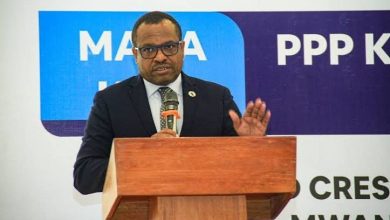
Speaking at the opening of the World Diet Initiative scientific conference in Dar es Salaam, Prof Sunguya said the situation poses serious threat to public health and economic productivity, requiring a shift towards preventive approaches, including healthier eating habits.
Organised by the Muhimbili University of Health and Allied Sciences (MUHAS), the international conference has brought together scientists, policymakers and public health specialists from more than 16 countries, including the Netherlands, the United States, Brazil, India and Romania.
The gathering aims to examine how traditional food systems can contribute to strengthening immunity and protecting populations against chronic illnesses.
Prof Sunguya said although undernutrition and micronutrient deficiencies remain major concerns, Tanzania was also experiencing an increase in hypertension, diabetes and cardiovascular diseases, placing additional pressure on families and the national healthcare system.
“These challenges require us to look beyond the treatment of diseases and give greater attention to the underlying determinants, including unhealthy diets and changing food environments,” he told delegates.
He described nutrition as an important component of national development and security, urging researchers to establish scientific evidence on the health benefits of indigenous foods.
However, he cautioned that traditional diets should not automatically be considered protective against diseases, emphasising the need to examine their nutritional composition, preparation methods and dietary balance before incorporating them into public health policies.
ALSO READ: Why Wellness Day is crucial in the fight against NCDs
MUHAS Acting ViceChancellor Prof Sabina Mugusi said urbanisation, globalisation and the increasing availability of ultra-processed foods were rapidly transforming eating habits in in the country.
She urged researchers to translate scientific findings into affordable, practical and culturally appropriate interventions that communities could easily adopt.
She said the conference also sought to establish a common international research agenda for preserving disappearing culinary traditions and developing sustainable nutrition strategies.
Meanwhile, KCMC University senior lecturer, Dr Godfrey Temba, said preliminary findings from a seven-year study in Kilimanjaro indicated that indigenous foods could offer significant health benefits.
He cited kiburu, a traditional combination of beans and bananas, indigenous root crops and mbege, a naturally fermented beverage made from finger millet and bananas.
According to Dr Temba, these foods contain beneficial microorganisms and essential nutrients that may strengthen immunity and help reduce the risk of chronic diseases without relying on chemical additives.