Tanga communities fight to end child abuse, GBV
TANGA: WHEN a 13-year-old girl fled her home in Tanga City recently, she carried nothing but the clothes she was wearing and a small school bag. She was not running from poverty or punishment. She was running for her life.
According to child protection advocates, the girl had endured years of sexual abuse at the hands of her stepfather, abuse that allegedly began while she was still in primary school, as her mother remained silent.
She had been just one year old when her mother married the man she now lives with. With no one to protect her, she chose the streets over her own home.
“This child reached a point where she felt safer outside than inside her own house,” says George Bwire, Director of the Tanga Youth Talents Association (TAYOTA). “That tells you how serious the problem is.” Bwire says the case is not isolated.
It is one of dozens of incidents that child rights defenders say paint a troubling picture of violence against children and women in Tanga Region, an area ranked among the highest in the country for reported cases of child abuse.
Bwire recounts another case involving a pupil who had just been selected to join secondary school.
She became pregnant after allegedly being sexually abused by her teacher. The girl had secured admission to Form One at Old Tanga Secondary School. Instead of justice, her family reportedly faced pressure to remain silent, with assurances that the matter would be “settled quietly” and that the girl would later receive support to enroll in vocational training.
In another case, TAYOTA rescued a girl who had just completed Standard Seven after her father attempted to marry her off, claiming he could no longer afford to support her.
“He said he was tired of feeding his daughter, so he decided to marry her,” Bwire says.
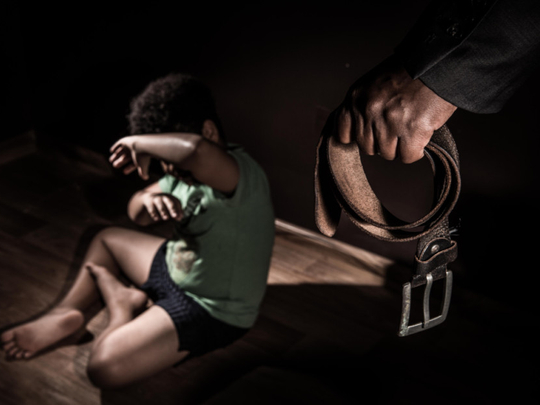
There have also been cases of extreme physical abuse. In one instance, a father severely beat his child. Although TAYOTA intervened and the father was arraigned by police, he was later released and the child reportedly continued to suffer.
Poverty and fear, Bwire explains, often push families to accept informal settlements instead of pursuing justice. “But this protects perpetrators and leaves children without justice,” he says.
Such arrangements perpetuate a culture of silence where abuse is normalised and rarely reported. Community leaders warn that many more cases remain hidden behind closed doors, concealed by stigma, threats, or family pressure. “Most children suffer quietly,” Bwire says.
“Sometimes even the people who are supposed to protect them are the ones hurting them.”
In a particularly disturbing recent case, an adult woman was allegedly selling two young girls for sex.
ALSO READ: Community model strengthens GBV fight
One of the girls is reportedly pregnant. The house where this occurred had six rooms and nine tenants, yet none intervened. “They were afraid to speak,” Bwire says.
Selemani Msey, TAYOTA’s Community Engagement Officer, says fear and stigma are powerful barriers.
“Most incidents happen quietly. Children are afraid to speak out, and families fear shame. That’s why we must go into the community and identify these cases ourselves.”
Amid the grim realities, efforts are underway to change the narrative. Through its child protection initiative Pamoja Tuwalinde (“Together Let Us Protect Them”), implemented under the Tanga Yetu programme with support from Fondation Botnar, TAYOTA is strengthening grassroots systems to prevent abuse before it occurs.
At the centre of this effort are MTAKUWA committees, community-based structures tasked with safeguarding children at ward and street levels.
MTAKUWA committees in Tanzania are local, community-based and institutional structures established to combat violence against women and children, aligned with the National Plan of Action (NPA-VAWC).
“We are building their capacity to detect cases early, conduct home visits, counsel families and report abuse to the proper authorities,” Bwire says.
“Protection must start where children live, not after the damage is done.” Instead of waiting for police reports, these committees are being trained to actively search for warning signs within their communities.
Committee members are being trained to map high risk areas, monitor vulnerable children, conduct household visits, raise awareness on gender-based violence and document cases and ensure timely referrals “You cannot protect children from offices,” Bwire notes.
“Protection must start in the streets and homes where these risks occur,” he adds.
So far, TAYOTA has trained MTAKUWA committees in seven of Tanga City’s 27 wards, as well as in four neighbour hoods identified as hotspots for child abuse.
The organisation has also reached 38 primary and secondary schools with awareness and prevention programmes.
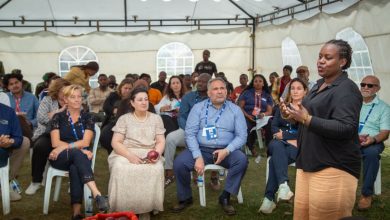
During a recent session with the Mwanzange Ward MTAKUWA committee, Bwire challenged leaders to confront the crisis directly.
“What kind of nation are we building if we allow these acts to continue?” he asked.
“We risk raising a generation shaped by fear, trauma and anger. We must unite to end this violence,” he adds.
Committee members are now conducting door-to-door sensitisation campaigns, collaborating with teachers and religious leaders and encouraging residents to report abuse without fear.
For many, the work is deeply personal. “These children are ours,” one committee member says.
“If we stay silent, we become part of the problem.” Child rights advocates say community vigilance is beginning to yield results, with more cases being reported and survivors receiving counselling and legal support.
While challenges remain, including poverty, weak enforcement and entrenched cultural taboos; organisations like TAYOTA believe empowering communities offers the most sustainable path to change.
“The solution is not only in laws,” Bwire says, adding “It is in people standing up for children.”
For the girl who ran away, safety came only after neighbours intervened and connected her to support services. Her painful story has become a rallying cry for change.
In Tanga, the message is growing louder: Silence protects abusers, but communities can protect children.