Govt tightens oversight on children’s homes
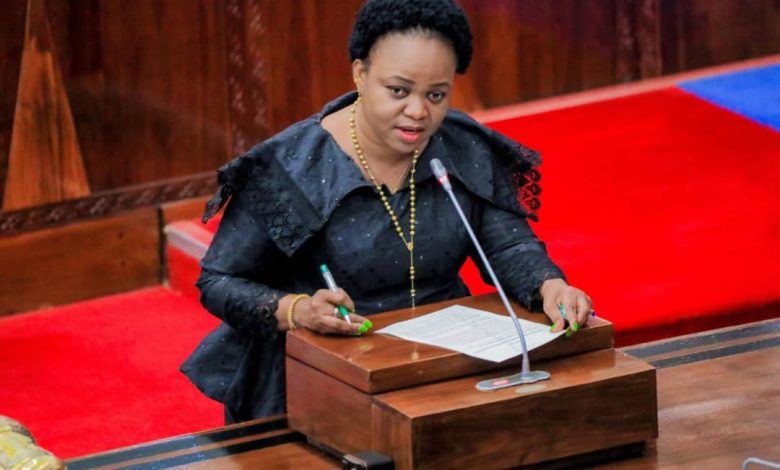
DODOMA: THE government has intensified monitoring and supervision of children’s homes across the country to ensure the group receives proper care, protection and safe living conditions.
Deputy Minister for Community Development, Gender, Women and Special Groups, Engineer Maryprisca Mahundi, told the National Assembly yesterday that social welfare officers from the ministry, regional and council levels conduct regular inspections of children’s homes to ensure care standards are maintained and children’s rights are protected.
She was responding to a basic question posed by Lucy Kombani (Special Seats-CCM), who sought to know the government measures on ensuring children living in care centres are raised in safe and supportive environments.
Ms Mahundi said all children’s homes in the country are established and operated in accordance with the Law of the Child Act, the Children’s Homes Regulations of 2012 and the National Guidelines for the Establishment, Management and Supervision of Children’s Homes of 2024.
She explained that registration procedures begin at ward and council levels before applications are submitted to the Commissioner for Social Welfare at the ministry for licensing once the centres meet all required standards.
“All children’s homes must comply with the legal and operational requirements set by the government before being granted registration licences,” she said.
Responding to a supplementary question on whether the government could allocate part of local government revenues to support children’s homes facing financial challenges, the deputy minister said there are currently 424 privately owned children’s homes and only two government-run centres. She cautioned that direct government financing of private centres could encourage the mushrooming of such institutions for commercial motives.
“If the government starts directly financing all these centres, some people may establish them merely as income-generating ventures,” she said.
The deputy minister noted that although the government had previously directed councils to allocate three per cent of funds towards social welfare interventions, implementation remained difficult due to budget constraints facing local authorities.
ALSO READ: Tanzania to host major Malaysia education expo featuring nine universities
She stressed that the government’s priority remains strengthening family-based care rather than institutional care for children.
“As a government, our major focus is to promote proper family care. Where children lose parental support due to family breakdowns, relatives such as uncles or other close family members should take responsibility so that children grow within family and cultural settings instead of institutional environments,” she said.
The deputy minister also called on parents, particularly fathers, to take responsibility in child upbringing to help reduce the number of vulnerable and street children.
On concerns regarding the psychological development of children placed in care centres at a young age, Engineer Mahundi said all 184 councils in the country have trained social welfare officers equipped with case management skills to closely supervise the centres.
She said the officers ensure children access education, healthcare and health insurance services, while staff at the centres continue receiving professional training on child care and development.
“The government maintains close cooperation with private institutions to ensure children receive quality care and protection services,” she said.