Tanga city turns to sports to steer youth away from drugs
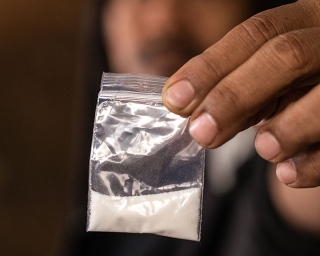
TANGA: THE Tanga City Council has announced plans to use sports as a key tool to steer young people away from drug abuse and other risky behaviours.

Tanga City Mayor, Mr Mustafa Seleboss, revealed this recently while officiating at a Grassroots Under-15 Soccer Festival organised by the Tanga-based anti-drug organisation, Gift of Hope Foundation, at the Gofu Juu grounds in Nguvumali Ward, Tanga City.

The festival, according to Gift of Hope Foundation Director, Mr Said Bandawe, aims to provide awareness education to young people on the dangers of drug abuse while encouraging them to use their time effectively by developing talents in sports.

ALSO READ: EASTRIP project to boost renewable energy skills in EAC

The event is being implemented under the Tanga Yetu Initiative, with financial support from the Switzerlandbased Botnar Foundation.

Other organisations supporting the festival include Kijana Togora, Michezo Plus and the Tanga Youth Talents Association (TAYOTA), which are also implementing youth-focused projects under the Tanga Yetu Initiative with funding from the Botnar Foundation.

Commending Gift of Hope for initiating the programme, Mayor Seleboss called on stakeholders to support efforts aimed at protecting young people from drug abuse, which he described as a growing threat to the country’s future workforce.

“This is a major initiative by Gift of Hope to cultivate a sense of refusal to drugs among young people. A fish must be bent when it is young,” said the Mayor.

He said the City Council would sit down with stakeholders to develop strategies to reach more youths, including organising regular sports events.

He suggested that such activities could be held every Saturday, stressing the urgent need to establish more football academies, noting that football has become a viable employment opportunity.

Related Articles

5 Comments

  1. PART A: HOW TO CREATE DECENT WORK IN TANZANIA

    Decent work means jobs that are:
    ✔ Productive
    ✔ Fairly paid
    ✔ Safe
    ✔ Secure
    ✔ Inclusive (youth, women, people with disabilities)

    Aligned with ILO Decent Work Agenda and Tanzania Development Vision 2025.

    1. Focus on High-Impact Sectors in Tanzania
    1. Agriculture & Agro-processing (Top Priority)

    Employs most Tanzanians but offers low income and informality.

    Actions

    Promote value addition (cashew, sunflower oil, rice, coffee)

    Support irrigation, storage, and rural roads

    Organize farmers into cooperatives

    Introduce contracts and minimum standards for farm workers

    Decent work outcome: Higher incomes, job security, rural dignity.

    2. SMEs & Entrepreneurship

    SMEs are the biggest job creators.

    Actions

    Simplify business registration (BRELA, online systems)

    Reduce taxes for startups and small firms

    Provide business training and mentoring

    Encourage formalization of informal businesses

    Decent work outcome: Sustainable, locally owned jobs.

    3. Manufacturing & Industrial Parks

    Supports Tanzania’s industrialization agenda.

    Actions

    Develop SEZs and industrial parks

    Encourage local processing instead of exporting raw materials

    Enforce labor standards and safety rules

    Decent work outcome: Formal employment with stable wages.

    4. Youth & Women Employment

    Youth unemployment and underemployment are major challenges.

    Actions

    Apprenticeships and internships

    Youth and women startup support

    TVET and skills aligned with market needs

    Access to childcare and flexible work for women

    Decent work outcome: Inclusive growth and reduced inequality.

    5. Green & Digital Jobs (Future Jobs)

    Green jobs

    Renewable energy (solar, biogas)

    Waste management & recycling

    Climate-smart agriculture

    Digital jobs

    ICT, mobile services, e-commerce

    Digital skills and remote work

    Decent work outcome: Sustainable and future-ready employment.

    PART B: HOW TO GET FUNDING FOR DECENT WORK IN TANZANIA

    Funding can come from government, banks, donors, NGOs, and private investors.

    1. Government Funding & Public Programs

    Sources

    Ministry of Labour, Youth, Employment and Persons with Disability

    Local Government Authorities (LGAs)

    Youth Development Fund

    Women Development Fund

    Tanzania Social Action Fund (TASAF)

    How to access

    Register a group, cooperative, or enterprise

    Submit a project proposal through your LGA

    Meet eligibility (youth/women focus, job creation)

    2. Development Banks & Financial Institutions

    Key institutions

    Tanzania Agricultural Development Bank (TADB)

    Tanzania Investment Bank (TIB)

    National Microfinance Bank (NMB)

    CRDB Bank

    SACCOS & microfinance institutions

    Funding types

    Low-interest loans

    Credit guarantees

    SME financing

    Tip: A clear business plan increases approval chances.

    3. Donors & International Organizations

    Major funders

    World Bank

    African Development Bank (AfDB)

    ILO

    UNDP

    EU

    USAID

    GIZ

    DFID/FCDO

    What they fund

    Youth employment

    Skills development

    Women empowerment

    Green jobs

    Formalization of informal work

    How to access

    Through government programs

    NGOs and CSOs

    Competitive grant calls

    4. NGOs, Foundations & CSOs

    Examples

    Restless Development

    Plan International

    BRAC

    Mastercard Foundation

    Aga Khan Foundation

    Funding forms

    Grants

    Training + seed capital

    Incubation programs

    Best for: Youth and community-based projects.

    5. Private Sector & Impact Investors

    Sources

    Impact investment funds

    Public-Private Partnerships (PPPs)

    Corporate Social Responsibility (CSR)

    Angel investors

    Best for

    Scalable businesses

    Green, tech, and agribusiness projects

    6. What You Need to Get Funding (Very Important)
    Essential documents

    ✔ Business plan or project proposal
    ✔ Clear job-creation targets
    ✔ Budget and timeline
    ✔ Registration (BRELA, NGO, CBO, or cooperative)
    ✔ Monitoring & evaluation plan

    Strong proposals show:

    How many jobs will be created

    Who benefits (youth, women, rural poor)

    Sustainability beyond funding

    Alignment with national priorities

    SIMPLE SUMMARY

    To create decent work in Tanzania:

    Invest in agriculture, SMEs, industry, youth, and green jobs

    Improve skills, formalization, and labor rights

    To get funding:

    Use government programs

    Approach banks and development finance

    Apply for donor and NGO grants

    Prepare strong, job-focused proposals

  2. PART A: HOW TO CREATE DECENT WORK IN TANZANIA

    Decent work means jobs that are:
    ✔ Productive
    ✔ Fairly paid
    ✔ Safe
    ✔ Secure
    ✔ Inclusive (youth, women, people with disabilities)

    Aligned with ILO Decent Work Agenda and Tanzania Development Vision 2025.

    1. Focus on High-Impact Sectors in Tanzania
    1. Agriculture & Agro-processing (Top Priority)

    Employs most Tanzanians but offers low income and informality.

    Actions

    Promote value addition (cashew, sunflower oil, rice, coffee)

    Support irrigation, storage, and rural roads

    Organize farmers into cooperatives

    Introduce contracts and minimum standards for farm workers

    Decent work outcome: Higher incomes, job security, rural dignity.

    2. SMEs & Entrepreneurship

    SMEs are the biggest job creators.

    Actions

    Simplify business registration (BRELA, online systems)

    Reduce taxes for startups and small firms

    Provide business training and mentoring

    Encourage formalization of informal businesses

    Decent work outcome: Sustainable, locally owned jobs.

    3. Manufacturing & Industrial Parks

    Supports Tanzania’s industrialization agenda.

    Actions

    Develop SEZs and industrial parks

    Encourage local processing instead of exporting raw materials

    Enforce labor standards and safety rules

    Decent work outcome: Formal employment with stable wages.

    4. Youth & Women Employment

    Youth unemployment and underemployment are major challenges.

    Actions

    Apprenticeships and internships

    Youth and women startup support

    TVET and skills aligned with market needs

    Access to childcare and flexible work for women

    Decent work outcome: Inclusive growth and reduced inequality.

    5. Green & Digital Jobs (Future Jobs)

    Green jobs

    Renewable energy (solar, biogas)

    Waste management & recycling

    Climate-smart agriculture

    Digital jobs

    ICT, mobile services, e-commerce

    Digital skills and remote work

    Decent work outcome: Sustainable and future-ready employment.

    PART B: HOW TO GET FUNDING FOR DECENT WORK IN TANZANIA

    Funding can come from government, banks, donors, NGOs, and private investors.

    1. Government Funding & Public Programs

    Sources

    Ministry of Labour, Youth, Employment and Persons with Disability

    Local Government Authorities (LGAs)

    Youth Development Fund

    Women Development Fund

    Tanzania Social Action Fund (TASAF)

    How to access

    Register a group, cooperative, or enterprise

    Submit a project proposal through your LGA

    Meet eligibility (youth/women focus, job creation)

    2. Development Banks & Financial Institutions

    Key institutions

    Tanzania Agricultural Development Bank (TADB)

    Tanzania Investment Bank (TIB)

    National Microfinance Bank (NMB)

    CRDB Bank

    SACCOS & microfinance institutions

    Funding types

    Low-interest loans

    Credit guarantees

    SME financing

    Tip: A clear business plan increases approval chances.

    3. Donors & International Organizations

    Major funders

    World Bank

    African Development Bank (AfDB)

    ILO

    UNDP

    EU

    USAID

    GIZ

    DFID/FCDO

    What they fund

    Youth employment

    Skills development

    Women empowerment

    Green jobs

    Formalization of informal work

    How to access

    Through government programs

    NGOs and CSOs

    Competitive grant calls

    4. NGOs, Foundations & CSOs

    Examples

    Restless Development

    Plan International

    BRAC

    Mastercard Foundation

    Aga Khan Foundation

    Funding forms

    Grants

    Training + seed capital

    Incubation programs

    Best for: Youth and community-based projects.

    5. Private Sector & Impact Investors

    Sources

    Impact investment funds

    Public-Private Partnerships (PPPs)

    Corporate Social Responsibility (CSR)

    Angel investors

    Best for

    Scalable businesses

    Green, tech, and agribusiness projects

    6. What You Need to Get Funding (Very Important)
    Essential documents

    ✔ Business plan or project proposal
    ✔ Clear job-creation targets
    ✔ Budget and timeline
    ✔ Registration (BRELA, NGO, CBO, or cooperative)
    ✔ Monitoring & evaluation plan

    Strong proposals show:

    How many jobs will be created

    Who benefits (youth, women, rural poor)

    Sustainability beyond funding

    Alignment with national priorities

    SIMPLE SUMMARY

    To create decent work in Tanzania:

    Invest in agriculture, SMEs, industry, youth, and green jobs

    Improve skills, formalization, and labor rights

    To get funding:

    Use government programs

    Approach banks and development finance

    Apply for donor and NGO grants

    Prepare strong, job-focused proposalsPART A: HOW TO CREATE DECENT WORK IN TANZANIA

    Decent work means jobs that are:
    ✔ Productive
    ✔ Fairly paid
    ✔ Safe
    ✔ Secure
    ✔ Inclusive (youth, women, people with disabilities)

    Aligned with ILO Decent Work Agenda and Tanzania Development Vision 2025.

    1. Focus on High-Impact Sectors in Tanzania
    1. Agriculture & Agro-processing (Top Priority)

    Employs most Tanzanians but offers low income and informality.

    Actions

    Promote value addition (cashew, sunflower oil, rice, coffee)

    Support irrigation, storage, and rural roads

    Organize farmers into cooperatives

    Introduce contracts and minimum standards for farm workers

    Decent work outcome: Higher incomes, job security, rural dignity.

    2. SMEs & Entrepreneurship

    SMEs are the biggest job creators.

    Actions

    Simplify business registration (BRELA, online systems)

    Reduce taxes for startups and small firms

    Provide business training and mentoring

    Encourage formalization of informal businesses

    Decent work outcome: Sustainable, locally owned jobs.

    3. Manufacturing & Industrial Parks

    Supports Tanzania’s industrialization agenda.

    Actions

    Develop SEZs and industrial parks

    Encourage local processing instead of exporting raw materials

    Enforce labor standards and safety rules

    Decent work outcome: Formal employment with stable wages.

    4. Youth & Women Employment

    Youth unemployment and underemployment are major challenges.

    Actions

    Apprenticeships and internships

    Youth and women startup support

    TVET and skills aligned with market needs

    Access to childcare and flexible work for women

    Decent work outcome: Inclusive growth and reduced inequality.

    5. Green & Digital Jobs (Future Jobs)

    Green jobs

    Renewable energy (solar, biogas)

    Waste management & recycling

    Climate-smart agriculture

    Digital jobs

    ICT, mobile services, e-commerce

    Digital skills and remote work

    Decent work outcome: Sustainable and future-ready employment.

    PART B: HOW TO GET FUNDING FOR DECENT WORK IN TANZANIA

    Funding can come from government, banks, donors, NGOs, and private investors.

    1. Government Funding & Public Programs

    Sources

    Ministry of Labour, Youth, Employment and Persons with Disability

    Local Government Authorities (LGAs)

    Youth Development Fund

    Women Development Fund

    Tanzania Social Action Fund (TASAF)

    How to access

    Register a group, cooperative, or enterprise

    Submit a project proposal through your LGA

    Meet eligibility (youth/women focus, job creation)

    2. Development Banks & Financial Institutions

    Key institutions

    Tanzania Agricultural Development Bank (TADB)

    Tanzania Investment Bank (TIB)

    National Microfinance Bank (NMB)

    CRDB Bank

    SACCOS & microfinance institutions

    Funding types

    Low-interest loans

    Credit guarantees

    SME financing

    Tip: A clear business plan increases approval chances.

    3. Donors & International Organizations

    Major funders

    World Bank

    African Development Bank (AfDB)

    ILO

    UNDP

    EU

    USAID

    GIZ

    DFID/FCDO

    What they fund

    Youth employment

    Skills development

    Women empowerment

    Green jobs

    Formalization of informal work

    How to access

    Through government programs

    NGOs and CSOs

    Competitive grant calls

    4. NGOs, Foundations & CSOs

    Examples

    Restless Development

    Plan International

    BRAC

    Mastercard Foundation

    Aga Khan Foundation

    Funding forms

    Grants

    Training + seed capital

    Incubation programs

    Best for: Youth and community-based projects.

    5. Private Sector & Impact Investors

    Sources

    Impact investment funds

    Public-Private Partnerships (PPPs)

    Corporate Social Responsibility (CSR)

    Angel investors

    Best for

    Scalable businesses

    Green, tech, and agribusiness projects

    6. What You Need to Get Funding (Very Important)
    Essential documents

    ✔ Business plan or project proposal
    ✔ Clear job-creation targets
    ✔ Budget and timeline
    ✔ Registration (BRELA, NGO, CBO, or cooperative)
    ✔ Monitoring & evaluation plan

    Strong proposals show:

    How many jobs will be created

    Who benefits (youth, women, rural poor)

    Sustainability beyond funding

    Alignment with national priorities

    SIMPLE SUMMARY

    To create decent work in Tanzania:

    Invest in agriculture, SMEs, industry, youth, and green jobs

    Improve skills, formalization, and labor rights

    To get funding:

    Use government programs

    Approach banks and development finance

    Apply for donor and NGO grants

    Prepare strong, job-focused proposals

  3. PART A: HOW TO CREATE DECENT WORK IN TANZANIA

    Decent work means jobs that are:
    ✔ Productive
    ✔ Fairly paid
    ✔ Safe
    ✔ Secure
    ✔ Inclusive (youth, women, people with disabilities)

    Aligned with ILO Decent Work Agenda and Tanzania Development Vision 2025.

    1. Focus on High-Impact Sectors in Tanzania
    1. Agriculture & Agro-processing (Top Priority)

    Employs most Tanzanians but offers low income and informality.

    Actions

    Promote value addition (cashew, sunflower oil, rice, coffee)

    Support irrigation, storage, and rural roads

    Organize farmers into cooperatives

    Introduce contracts and minimum standards for farm workers

    Decent work outcome: Higher incomes, job security, rural dignity.

    2. SMEs & Entrepreneurship

    SMEs are the biggest job creators.

    Actions

    Simplify business registration (BRELA, online systems)

    Reduce taxes for startups and small firms

    Provide business training and mentoring

    Encourage formalization of informal businesses

    Decent work outcome: Sustainable, locally owned jobs.

    3. Manufacturing & Industrial Parks

    Supports Tanzania’s industrialization agenda.

    Actions

    Develop SEZs and industrial parks

    Encourage local processing instead of exporting raw materials

    Enforce labor standards and safety rules

    Decent work outcome: Formal employment with stable wages.

    4. Youth & Women Employment

    Youth unemployment and underemployment are major challenges.

    Actions

    Apprenticeships and internships

    Youth and women startup support

    TVET and skills aligned with market needs

    Access to childcare and flexible work for women

    Decent work outcome: Inclusive growth and reduced inequality.

    5. Green & Digital Jobs (Future Jobs)

    Green jobs

    Renewable energy (solar, biogas)

    Waste management & recycling

    Climate-smart agriculture

    Digital jobs

    ICT, mobile services, e-commerce

    Digital skills and remote work

    Decent work outcome: Sustainable and future-ready employment.

    PART B: HOW TO GET FUNDING FOR DECENT WORK IN TANZANIA

    Funding can come from government, banks, donors, NGOs, and private investors.

    1. Government Funding & Public Programs

    Sources

    Ministry of Labour, Youth, Employment and Persons with Disability

    Local Government Authorities (LGAs)

    Youth Development Fund

    Women Development Fund

    Tanzania Social Action Fund (TASAF)

    How to access

    Register a group, cooperative, or enterprise

    Submit a project proposal through your LGA

    Meet eligibility (youth/women focus, job creation)

    2. Development Banks & Financial Institutions

    Key institutions

    Tanzania Agricultural Development Bank (TADB)

    Tanzania Investment Bank (TIB)

    National Microfinance Bank (NMB)

    CRDB Bank

    SACCOS & microfinance institutions

    Funding types

    Low-interest loans

    Credit guarantees

    SME financing

    Tip: A clear business plan increases approval chances.

    3. Donors & International Organizations

    Major funders

    World Bank

    African Development Bank (AfDB)

    ILO

    UNDP

    EU

    USAID

    GIZ

    DFID/FCDO

    What they fund

    Youth employment

    Skills development

    Women empowerment

    Green jobs

    Formalization of informal work

    How to access

    Through government programs

    NGOs and CSOs

    Competitive grant calls

    4. NGOs, Foundations & CSOs

    Examples

    Restless Development

    Plan International

    BRAC

    Mastercard Foundation

    Aga Khan Foundation

    Funding forms

    Grants

    Training + seed capital

    Incubation programs

    Best for: Youth and community-based projects.

    5. Private Sector & Impact Investors

    Sources

    Impact investment funds

    Public-Private Partnerships (PPPs)

    Corporate Social Responsibility (CSR)

    Angel investors

    Best for

    Scalable businesses

    Green, tech, and agribusiness projects

    6. What You Need to Get Funding (Very Important)
    Essential documents

    ✔ Business plan or project proposal
    ✔ Clear job-creation targets
    ✔ Budget and timeline
    ✔ Registration (BRELA, NGO, CBO, or cooperative)
    ✔ Monitoring & evaluation plan

    Strong proposals show:

    How many jobs will be created

    Who benefits (youth, women, rural poor)

    Sustainability beyond funding

    Alignment with national priorities

    SIMPLE SUMMARY

    To create decent work in Tanzania:

    Invest in agriculture, SMEs, industry, youth, and green jobs

    Improve skills, formalization, and labor rights

    To get funding:

    Use government programs

    Approach banks and development finance

    Apply for donor and NGO grants

    Prepare strong, job-focused proposals

  4. PART A: HOW TO CREATE DECENT WORK IN TANZANIA

    Decent work means jobs that are:
    ✔ Productive
    ✔ Fairly paid
    ✔ Safe
    ✔ Secure
    ✔ Inclusive (youth, women, people with disabilities)

    Aligned with ILO Decent Work Agenda and Tanzania Development Vision 2025.

    1. Focus on High-Impact Sectors in Tanzania
    1. Agriculture & Agro-processing (Top Priority)

    Employs most Tanzanians but offers low income and informality.

    Actions

    Promote value addition (cashew, sunflower oil, rice, coffee)

    Support irrigation, storage, and rural roads

    Organize farmers into cooperatives

    Introduce contracts and minimum standards for farm workers

    Decent work outcome: Higher incomes, job security, rural dignity.

    2. SMEs & Entrepreneurship

    SMEs are the biggest job creators.

    Actions

    Simplify business registration (BRELA, online systems)

    Reduce taxes for startups and small firms

    Provide business training and mentoring

    Encourage formalization of informal businesses

    Decent work outcome: Sustainable, locally owned jobs.

    3. Manufacturing & Industrial Parks

    Supports Tanzania’s industrialization agenda.

    Actions

    Develop SEZs and industrial parks

    Encourage local processing instead of exporting raw materials

    Enforce labor standards and safety rules

    Decent work outcome: Formal employment with stable wages.

    4. Youth & Women Employment

    Youth unemployment and underemployment are major challenges.

    Actions

    Apprenticeships and internships

    Youth and women startup support

    TVET and skills aligned with market needs

    Access to childcare and flexible work for women

    Decent work outcome: Inclusive growth and reduced inequality.

    5. Green & Digital Jobs (Future Jobs)

    Green jobs

    Renewable energy (solar, biogas)

    Waste management & recycling

    Climate-smart agriculture

    Digital jobs

    ICT, mobile services, e-commerce

    Digital skills and remote work

    Decent work outcome: Sustainable and future-ready employment.

    PART B: HOW TO GET FUNDING FOR DECENT WORK IN TANZANIA

    Funding can come from government, banks, donors, NGOs, and private investors.

    1. Government Funding & Public Programs

    Sources

    Ministry of Labour, Youth, Employment and Persons with Disability

    Local Government Authorities (LGAs)

    Youth Development Fund

    Women Development Fund

    Tanzania Social Action Fund (TASAF)

    How to access

    Register a group, cooperative, or enterprise

    Submit a project proposal through your LGA

    Meet eligibility (youth/women focus, job creation)

    2. Development Banks & Financial Institutions

    Key institutions

    Tanzania Agricultural Development Bank (TADB)

    Tanzania Investment Bank (TIB)

    National Microfinance Bank (NMB)

    CRDB Bank

    SACCOS & microfinance institutions

    Funding types

    Low-interest loans

    Credit guarantees

    SME financing

    Tip: A clear business plan increases approval chances.

    3. Donors & International Organizations

    Major funders

    World Bank

    African Development Bank (AfDB)

    ILO

    UNDP

    EU

    USAID

    GIZ

    DFID/FCDO

    What they fund

    Youth employment

    Skills development

    Women empowerment

    Green jobs

    Formalization of informal work

    How to access

    Through government programs

    NGOs and CSOs

    Competitive grant calls

    4. NGOs, Foundations & CSOs

    Examples

    Restless Development

    Plan International

    BRAC

    Mastercard Foundation

    Aga Khan Foundation

    Funding forms

    Grants

    Training + seed capital

    Incubation programs

    Best for: Youth and community-based projects.

    5. Private Sector & Impact Investors

    Sources

    Impact investment funds

    Public-Private Partnerships (PPPs)

    Corporate Social Responsibility (CSR)

    Angel investors

    Best for

    Scalable businesses

    Green, tech, and agribusiness projects

    6. What You Need to Get Funding (Very Important)
    Essential documents

    ✔ Business plan or project proposal
    ✔ Clear job-creation targets
    ✔ Budget and timeline
    ✔ Registration (BRELA, NGO, CBO, or cooperative)
    ✔ Monitoring & evaluation plan

    Strong proposals show:

    How many jobs will be created

    Who benefits (youth, women, rural poor)

    Sustainability beyond funding

    Alignment with national priorities

    SIMPLE SUMMARY

    To create decent work in Tanzania:

    Invest in agriculture, SMEs, industry, youth, and green jobs

    Improve skills, formalization, and labor rights

    To get funding:

    Use government programs

    Approach banks and development finance

    Apply for donor and NGO grants

    Prepare strong, job-focused proposals

  5. PART A: HOW TO CREATE DECENT WORK IN TANZANIA

    Decent work means jobs that are:
    ✔ Productive
    ✔ Fairly paid
    ✔ Safe
    ✔ Secure
    ✔ Inclusive (youth, women, people with disabilities)

    Aligned with ILO Decent Work Agenda and Tanzania Development Vision 2025.

    1. Focus on High-Impact Sectors in Tanzania
    1. Agriculture & Agro-processing (Top Priority)

    Employs most Tanzanians but offers low income and informality.

    Actions

    Promote value addition (cashew, sunflower oil, rice, coffee)

    Support irrigation, storage, and rural roads

    Organize farmers into cooperatives

    Introduce contracts and minimum standards for farm workers

    Decent work outcome: Higher incomes, job security, rural dignity.

    2. SMEs & Entrepreneurship

    SMEs are the biggest job creators.

    Actions

    Simplify business registration (BRELA, online systems)

    Reduce taxes for startups and small firms

    Provide business training and mentoring

    Encourage formalization of informal businesses

    Decent work outcome: Sustainable, locally owned jobs.

    3. Manufacturing & Industrial Parks

    Supports Tanzania’s industrialization agenda.

    Actions

    Develop SEZs and industrial parks

    Encourage local processing instead of exporting raw materials

    Enforce labor standards and safety rules

    Decent work outcome: Formal employment with stable wages.

    4. Youth & Women Employment

    Youth unemployment and underemployment are major challenges.

    Actions

    Apprenticeships and internships

    Youth and women startup support

    TVET and skills aligned with market needs

    Access to childcare and flexible work for women

    Decent work outcome: Inclusive growth and reduced inequality.

    5. Green & Digital Jobs (Future Jobs)

    Green jobs

    Renewable energy (solar, biogas)

    Waste management & recycling

    Climate-smart agriculture

    Digital jobs

    ICT, mobile services, e-commerce

    Digital skills and remote work

    Decent work outcome: Sustainable and future-ready employment.

    PART B: HOW TO GET FUNDING FOR DECENT WORK IN TANZANIA

    Funding can come from government, banks, donors, NGOs, and private investors.

    1. Government Funding & Public Programs

    Sources

    Ministry of Labour, Youth, Employment and Persons with Disability

    Local Government Authorities (LGAs)

    Youth Development Fund

    Women Development Fund

    Tanzania Social Action Fund (TASAF)

    How to access

    Register a group, cooperative, or enterprise

    Submit a project proposal through your LGA

    Meet eligibility (youth/women focus, job creation)

    2. Development Banks & Financial Institutions

    Key institutions

    Tanzania Agricultural Development Bank (TADB)

    Tanzania Investment Bank (TIB)

    National Microfinance Bank (NMB)

    CRDB Bank

    SACCOS & microfinance institutions

    Funding types

    Low-interest loans

    Credit guarantees

    SME financing

    Tip: A clear business plan increases approval chances.

    3. Donors & International Organizations

    Major funders

    World Bank

    African Development Bank (AfDB)

    ILO

    UNDP

    EU

    USAID

    GIZ

    DFID/FCDO

    What they fund

    Youth employment

    Skills development

    Women empowerment

    Green jobs

    Formalization of informal work

    How to access

    Through government programs

    NGOs and CSOs

    Competitive grant calls

    4. NGOs, Foundations & CSOs

    Examples

    Restless Development

    Plan International

    BRAC

    Mastercard Foundation

    Aga Khan Foundation

    Funding forms

    Grants

    Training + seed capital

    Incubation programs

    Best for: Youth and community-based projects.

    5. Private Sector & Impact Investors

    Sources

    Impact investment funds

    Public-Private Partnerships (PPPs)

    Corporate Social Responsibility (CSR)

    Angel investors

    Best for

    Scalable businesses

    Green, tech, and agribusiness projects

    6. What You Need to Get Funding (Very Important)
    Essential documents

    ✔ Business plan or project proposal
    ✔ Clear job-creation targets
    ✔ Budget and timeline
    ✔ Registration (BRELA, NGO, CBO, or cooperative)
    ✔ Monitoring & evaluation plan

    Strong proposals show:

    How many jobs will be created

    Who benefits (youth, women, rural poor)

    Sustainability beyond funding

    Alignment with national priorities

    SIMPLE SUMMARY

    To create decent work in Tanzania:

    Invest in agriculture, SMEs, industry, youth, and green jobs

    Improve skills, formalization, and labor rights

    To get funding:

    Use government programs

    Approach banks and development finance

    Apply for donor and NGO grants

    Prepare strong, job-focused proposals

Leave a Reply

Your email address will not be published. Required fields are marked *

Back to top button