
EASTRIP project to boost renewable energy skills in EAC

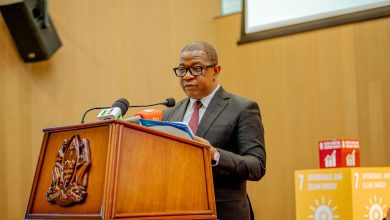
ARUSHA: DEPUTY Minister for Education, Science and Technology, Ms Wanu Hafidh Ameir, has assured that the East Africa Regional Skills Transformation and Integration Project (EASTRIP) will continue to serve as a catalyst for development among East African Community (EAC) member states, particularly through the promotion of renewable energy technologies.
The deputy minister was speaking over the weekend during an official visit to the Kikuletwa Campus in Hai District, Kilimanjaro Region, where she inspected the progress of construction of the Kikuletwa Power Project and various government-funded buildings implemented under the EASTRIP programme.
She said the hydropower plant under construction will provide students with handson practical skills, a move expected to strengthen the country’s energy sector.
The Deputy Minister added that the project is part of the government’s broader strategy to promote renewable energy and urged students enrolled in technical and vocational programmes to take advantage of renewable energy courses to enhance their employment prospects both locally and internationally.
“This project is addressing several education-related challenges, including the implementation of new curricula and increased enrolment of female students in technical courses. The government will continue to improve this institution to ensure students in various programmes have access to a conducive learning environment,” she said.
Ms Ameir acknowledged challenges related to road infrastructure within the campus and pledged government support to ensure completion of the road network to enhance the institution’s outlook and accessibility.
She also directed the Arusha Technical College (ATC) to keep pace with technological changes by ensuring instructors receive both short- and long-term training, locally and abroad.
She noted that the solar energy centre at the campus is expected to stimulate innovation and technological advancement in renewable energy.
On his part, ATC Principal, Professor Musa Chacha, said the Kikuletwa power plant has a generation capacity of 1.65 megawatts, commending the government for its commitment to developing the Kikuletwa Campus into a centre of excellence for technical training.
He said the project has reached 83.43 per cent completion and is expected to be finalised within the next 60 days. Once completed, the plant will supply electricity to neighbouring villages, serve as a practical training facility for students and contribute power to the national grid.
ALSO READ: CCM vows development for all citizens
Professor Chacha added that the facility will also be used to test locally manufactured micro-hydropower turbines. He explained that the power station is located at the confluence of the Kware and Mbuguni rivers in the Pangani River Basin in Hai District, Kilimanjaro Region.
Downstream, the Kikuletwa River forms the boundary between Kawaya Village in Masama–Rundugai Division, Hai District, and Kambi ya Chokaa Village in Mirerani Division, Simanjiro District, Manyara Region.
He further noted that about 3,500 students have been trained at various levels in renewable electricity technologies, with additional students from Kenya attending the institution for practical electrical training.
“Our goal is to produce highly skilled local energy experts rather than sending students to other countries such as Zambia,” said Professor Chacha.
However, he cited road infrastructure as a persistent challenge, despite the government having already constructed more than 3.5 kilometres of road, and called for support from other authorities to complete the remaining sections to ensure smooth access for students and staff The Kikuletwa Campus comprises 11 buildings, including hostels, a cafeteria, power plant houses, a classroom block with five classrooms, a lecture hall and workshops.
Meanwhile, ATC Board Chairperson, Dr Noel Mbonde, said the project aims to develop a renewable energy centre of excellence and appealed to the Deputy Minister to continue supporting ATC in overseeing the project to ensure it achieves its intended objectives.



PART A: HOW TO CREATE DECENT WORK IN TANZANIA
Decent work means jobs that are:
✔ Productive
✔ Fairly paid
✔ Safe
✔ Secure
✔ Inclusive (youth, women, people with disabilities)
Aligned with ILO Decent Work Agenda and Tanzania Development Vision 2025.
1. Focus on High-Impact Sectors in Tanzania
1. Agriculture & Agro-processing (Top Priority)
Employs most Tanzanians but offers low income and informality.
Actions
Promote value addition (cashew, sunflower oil, rice, coffee)
Support irrigation, storage, and rural roads
Organize farmers into cooperatives
Introduce contracts and minimum standards for farm workers
Decent work outcome: Higher incomes, job security, rural dignity.
2. SMEs & Entrepreneurship
SMEs are the biggest job creators.
Actions
Simplify business registration (BRELA, online systems)
Reduce taxes for startups and small firms
Provide business training and mentoring
Encourage formalization of informal businesses
Decent work outcome: Sustainable, locally owned jobs.
3. Manufacturing & Industrial Parks
Supports Tanzania’s industrialization agenda.
Actions
Develop SEZs and industrial parks
Encourage local processing instead of exporting raw materials
Enforce labor standards and safety rules
Decent work outcome: Formal employment with stable wages.
4. Youth & Women Employment
Youth unemployment and underemployment are major challenges.
Actions
Apprenticeships and internships
Youth and women startup support
TVET and skills aligned with market needs
Access to childcare and flexible work for women
Decent work outcome: Inclusive growth and reduced inequality.
5. Green & Digital Jobs (Future Jobs)
Green jobs
Renewable energy (solar, biogas)
Waste management & recycling
Climate-smart agriculture
Digital jobs
ICT, mobile services, e-commerce
Digital skills and remote work
Decent work outcome: Sustainable and future-ready employment.
PART B: HOW TO GET FUNDING FOR DECENT WORK IN TANZANIA
Funding can come from government, banks, donors, NGOs, and private investors.
1. Government Funding & Public Programs
Sources
Ministry of Labour, Youth, Employment and Persons with Disability
Local Government Authorities (LGAs)
Youth Development Fund
Women Development Fund
Tanzania Social Action Fund (TASAF)
How to access
Register a group, cooperative, or enterprise
Submit a project proposal through your LGA
Meet eligibility (youth/women focus, job creation)
2. Development Banks & Financial Institutions
Key institutions
Tanzania Agricultural Development Bank (TADB)
Tanzania Investment Bank (TIB)
National Microfinance Bank (NMB)
CRDB Bank
SACCOS & microfinance institutions
Funding types
Low-interest loans
Credit guarantees
SME financing
Tip: A clear business plan increases approval chances.
3. Donors & International Organizations
Major funders
World Bank
African Development Bank (AfDB)
ILO
UNDP
EU
USAID
GIZ
DFID/FCDO
What they fund
Youth employment
Skills development
Women empowerment
Green jobs
Formalization of informal work
How to access
Through government programs
NGOs and CSOs
Competitive grant calls
4. NGOs, Foundations & CSOs
Examples
Restless Development
Plan International
BRAC
Mastercard Foundation
Aga Khan Foundation
Funding forms
Grants
Training + seed capital
Incubation programs
Best for: Youth and community-based projects.
5. Private Sector & Impact Investors
Sources
Impact investment funds
Public-Private Partnerships (PPPs)
Corporate Social Responsibility (CSR)
Angel investors
Best for
Scalable businesses
Green, tech, and agribusiness projects
6. What You Need to Get Funding (Very Important)
Essential documents
✔ Business plan or project proposal
✔ Clear job-creation targets
✔ Budget and timeline
✔ Registration (BRELA, NGO, CBO, or cooperative)
✔ Monitoring & evaluation plan
Strong proposals show:
How many jobs will be created
Who benefits (youth, women, rural poor)
Sustainability beyond funding
Alignment with national priorities
SIMPLE SUMMARY
To create decent work in Tanzania:
Invest in agriculture, SMEs, industry, youth, and green jobs
Improve skills, formalization, and labor rights
To get funding:
Use government programs
Approach banks and development finance
Apply for donor and NGO grants
Prepare strong, job-focused proposals
PART A: HOW TO CREATE DECENT WORK IN TANZANIA
Decent work means jobs that are:
✔ Productive
✔ Fairly paid
✔ Safe
✔ Secure
✔ Inclusive (youth, women, people with disabilities)
Aligned with ILO Decent Work Agenda and Tanzania Development Vision 2025.
1. Focus on High-Impact Sectors in Tanzania
1. Agriculture & Agro-processing (Top Priority)
Employs most Tanzanians but offers low income and informality.
Actions
Promote value addition (cashew, sunflower oil, rice, coffee)
Support irrigation, storage, and rural roads
Organize farmers into cooperatives
Introduce contracts and minimum standards for farm workers
Decent work outcome: Higher incomes, job security, rural dignity.
2. SMEs & Entrepreneurship
SMEs are the biggest job creators.
Actions
Simplify business registration (BRELA, online systems)
Reduce taxes for startups and small firms
Provide business training and mentoring
Encourage formalization of informal businesses
Decent work outcome: Sustainable, locally owned jobs.
3. Manufacturing & Industrial Parks
Supports Tanzania’s industrialization agenda.
Actions
Develop SEZs and industrial parks
Encourage local processing instead of exporting raw materials
Enforce labor standards and safety rules
Decent work outcome: Formal employment with stable wages.
4. Youth & Women Employment
Youth unemployment and underemployment are major challenges.
Actions
Apprenticeships and internships
Youth and women startup support
TVET and skills aligned with market needs
Access to childcare and flexible work for women
Decent work outcome: Inclusive growth and reduced inequality.
5. Green & Digital Jobs (Future Jobs)
Green jobs
Renewable energy (solar, biogas)
Waste management & recycling
Climate-smart agriculture
Digital jobs
ICT, mobile services, e-commerce
Digital skills and remote work
Decent work outcome: Sustainable and future-ready employment.
PART B: HOW TO GET FUNDING FOR DECENT WORK IN TANZANIA
Funding can come from government, banks, donors, NGOs, and private investors.
1. Government Funding & Public Programs
Sources
Ministry of Labour, Youth, Employment and Persons with Disability
Local Government Authorities (LGAs)
Youth Development Fund
Women Development Fund
Tanzania Social Action Fund (TASAF)
How to access
Register a group, cooperative, or enterprise
Submit a project proposal through your LGA
Meet eligibility (youth/women focus, job creation)
2. Development Banks & Financial Institutions
Key institutions
Tanzania Agricultural Development Bank (TADB)
Tanzania Investment Bank (TIB)
National Microfinance Bank (NMB)
CRDB Bank
SACCOS & microfinance institutions
Funding types
Low-interest loans
Credit guarantees
SME financing
Tip: A clear business plan increases approval chances.
3. Donors & International Organizations
Major funders
World Bank
African Development Bank (AfDB)
ILO
UNDP
EU
USAID
GIZ
DFID/FCDO
What they fund
Youth employment
Skills development
Women empowerment
Green jobs
Formalization of informal work
How to access
Through government programs
NGOs and CSOs
Competitive grant calls
4. NGOs, Foundations & CSOs
Examples
Restless Development
Plan International
BRAC
Mastercard Foundation
Aga Khan Foundation
Funding forms
Grants
Training + seed capital
Incubation programs
Best for: Youth and community-based projects.
5. Private Sector & Impact Investors
Sources
Impact investment funds
Public-Private Partnerships (PPPs)
Corporate Social Responsibility (CSR)
Angel investors
Best for
Scalable businesses
Green, tech, and agribusiness projects
6. What You Need to Get Funding (Very Important)
Essential documents
✔ Business plan or project proposal
✔ Clear job-creation targets
✔ Budget and timeline
✔ Registration (BRELA, NGO, CBO, or cooperative)
✔ Monitoring & evaluation plan
Strong proposals show:
How many jobs will be created
Who benefits (youth, women, rural poor)
Sustainability beyond funding
Alignment with national priorities
SIMPLE SUMMARY
To create decent work in Tanzania:
Invest in agriculture, SMEs, industry, youth, and green jobs
Improve skills, formalization, and labor rights
To get funding:
Use government programs
Approach banks and development finance
Apply for donor and NGO grants
Prepare strong, job-focused proposals
PART A: HOW TO CREATE DECENT WORK IN TANZANIA
Decent work means jobs that are:
✔ Productive
✔ Fairly paid
✔ Safe
✔ Secure
✔ Inclusive (youth, women, people with disabilities)
Aligned with ILO Decent Work Agenda and Tanzania Development Vision 2025.
1. Focus on High-Impact Sectors in Tanzania
1. Agriculture & Agro-processing (Top Priority)
Employs most Tanzanians but offers low income and informality.
Actions
Promote value addition (cashew, sunflower oil, rice, coffee)
Support irrigation, storage, and rural roads
Organize farmers into cooperatives
Introduce contracts and minimum standards for farm workers
Decent work outcome: Higher incomes, job security, rural dignity.
2. SMEs & Entrepreneurship
SMEs are the biggest job creators.
Actions
Simplify business registration (BRELA, online systems)
Reduce taxes for startups and small firms
Provide business training and mentoring
Encourage formalization of informal businesses
Decent work outcome: Sustainable, locally owned jobs.
3. Manufacturing & Industrial Parks
Supports Tanzania’s industrialization agenda.
Actions
Develop SEZs and industrial parks
Encourage local processing instead of exporting raw materials
Enforce labor standards and safety rules
Decent work outcome: Formal employment with stable wages.
4. Youth & Women Employment
Youth unemployment and underemployment are major challenges.
Actions
Apprenticeships and internships
Youth and women startup support
TVET and skills aligned with market needs
Access to childcare and flexible work for women
Decent work outcome: Inclusive growth and reduced inequality.
5. Green & Digital Jobs (Future Jobs)
Green jobs
Renewable energy (solar, biogas)
Waste management & recycling
Climate-smart agriculture
Digital jobs
ICT, mobile services, e-commerce
Digital skills and remote work
Decent work outcome: Sustainable and future-ready employment.
PART B: HOW TO GET FUNDING FOR DECENT WORK IN TANZANIA
Funding can come from government, banks, donors, NGOs, and private investors.
1. Government Funding & Public Programs
Sources
Ministry of Labour, Youth, Employment and Persons with Disability
Local Government Authorities (LGAs)
Youth Development Fund
Women Development Fund
Tanzania Social Action Fund (TASAF)
How to access
Register a group, cooperative, or enterprise
Submit a project proposal through your LGA
Meet eligibility (youth/women focus, job creation)
2. Development Banks & Financial Institutions
Key institutions
Tanzania Agricultural Development Bank (TADB)
Tanzania Investment Bank (TIB)
National Microfinance Bank (NMB)
CRDB Bank
SACCOS & microfinance institutions
Funding types
Low-interest loans
Credit guarantees
SME financing
Tip: A clear business plan increases approval chances.
3. Donors & International Organizations
Major funders
World Bank
African Development Bank (AfDB)
ILO
UNDP
EU
USAID
GIZ
DFID/FCDO
What they fund
Youth employment
Skills development
Women empowerment
Green jobs
Formalization of informal work
How to access
Through government programs
NGOs and CSOs
Competitive grant calls
4. NGOs, Foundations & CSOs
Examples
Restless Development
Plan International
BRAC
Mastercard Foundation
Aga Khan Foundation
Funding forms
Grants
Training + seed capital
Incubation programs
Best for: Youth and community-based projects.
5. Private Sector & Impact Investors
Sources
Impact investment funds
Public-Private Partnerships (PPPs)
Corporate Social Responsibility (CSR)
Angel investors
Best for
Scalable businesses
Green, tech, and agribusiness projects
6. What You Need to Get Funding (Very Important)
Essential documents
✔ Business plan or project proposal
✔ Clear job-creation targets
✔ Budget and timeline
✔ Registration (BRELA, NGO, CBO, or cooperative)
✔ Monitoring & evaluation plan
Strong proposals show:
How many jobs will be created
Who benefits (youth, women, rural poor)
Sustainability beyond funding
Alignment with national priorities
SIMPLE SUMMARY
To create decent work in Tanzania:
Invest in agriculture, SMEs, industry, youth, and green jobs
Improve skills, formalization, and labor rights
To get funding:
Use government programs
Approach banks and development finance
Apply for donor and NGO grants
Prepare strong, job-focused proposals
PART A: HOW TO CREATE DECENT WORK IN TANZANIA
Decent work means jobs that are:
✔ Productive
✔ Fairly paid
✔ Safe
✔ Secure
✔ Inclusive (youth, women, people with disabilities)
Aligned with ILO Decent Work Agenda and Tanzania Development Vision 2025.
1. Focus on High-Impact Sectors in Tanzania
1. Agriculture & Agro-processing (Top Priority)
Employs most Tanzanians but offers low income and informality.
Actions
Promote value addition (cashew, sunflower oil, rice, coffee)
Support irrigation, storage, and rural roads
Organize farmers into cooperatives
Introduce contracts and minimum standards for farm workers
Decent work outcome: Higher incomes, job security, rural dignity.
2. SMEs & Entrepreneurship
SMEs are the biggest job creators.
Actions
Simplify business registration (BRELA, online systems)
Reduce taxes for startups and small firms
Provide business training and mentoring
Encourage formalization of informal businesses
Decent work outcome: Sustainable, locally owned jobs.
3. Manufacturing & Industrial Parks
Supports Tanzania’s industrialization agenda.
Actions
Develop SEZs and industrial parks
Encourage local processing instead of exporting raw materials
Enforce labor standards and safety rules
Decent work outcome: Formal employment with stable wages.
4. Youth & Women Employment
Youth unemployment and underemployment are major challenges.
Actions
Apprenticeships and internships
Youth and women startup support
TVET and skills aligned with market needs
Access to childcare and flexible work for women
Decent work outcome: Inclusive growth and reduced inequality.
5. Green & Digital Jobs (Future Jobs)
Green jobs
Renewable energy (solar, biogas)
Waste management & recycling
Climate-smart agriculture
Digital jobs
ICT, mobile services, e-commerce
Digital skills and remote work
Decent work outcome: Sustainable and future-ready employment.
PART B: HOW TO GET FUNDING FOR DECENT WORK IN TANZANIA
Funding can come from government, banks, donors, NGOs, and private investors.
1. Government Funding & Public Programs
Sources
Ministry of Labour, Youth, Employment and Persons with Disability
Local Government Authorities (LGAs)
Youth Development Fund
Women Development Fund
Tanzania Social Action Fund (TASAF)
How to access
Register a group, cooperative, or enterprise
Submit a project proposal through your LGA
Meet eligibility (youth/women focus, job creation)
2. Development Banks & Financial Institutions
Key institutions
Tanzania Agricultural Development Bank (TADB)
Tanzania Investment Bank (TIB)
National Microfinance Bank (NMB)
CRDB Bank
SACCOS & microfinance institutions
Funding types
Low-interest loans
Credit guarantees
SME financing
Tip: A clear business plan increases approval chances.
3. Donors & International Organizations
Major funders
World Bank
African Development Bank (AfDB)
ILO
UNDP
EU
USAID
GIZ
DFID/FCDO
What they fund
Youth employment
Skills development
Women empowerment
Green jobs
Formalization of informal work
How to access
Through government programs
NGOs and CSOs
Competitive grant calls
4. NGOs, Foundations & CSOs
Examples
Restless Development
Plan International
BRAC
Mastercard Foundation
Aga Khan Foundation
Funding forms
Grants
Training + seed capital
Incubation programs
Best for: Youth and community-based projects.
5. Private Sector & Impact Investors
Sources
Impact investment funds
Public-Private Partnerships (PPPs)
Corporate Social Responsibility (CSR)
Angel investors
Best for
Scalable businesses
Green, tech, and agribusiness projects
6. What You Need to Get Funding (Very Important)
Essential documents
✔ Business plan or project proposal
✔ Clear job-creation targets
✔ Budget and timeline
✔ Registration (BRELA, NGO, CBO, or cooperative)
✔ Monitoring & evaluation plan
Strong proposals show:
How many jobs will be created
Who benefits (youth, women, rural poor)
Sustainability beyond funding
Alignment with national priorities
SIMPLE SUMMARY
To create decent work in Tanzania:
Invest in agriculture, SMEs, industry, youth, and green jobs
Improve skills, formalization, and labor rights
To get funding:
Use government programs
Approach banks and development finance
Apply for donor and NGO grants
Prepare strong, job-focused proposals
PART A: HOW TO CREATE DECENT WORK IN TANZANIA
Decent work means jobs that are:
✔ Productive
✔ Fairly paid
✔ Safe
✔ Secure
✔ Inclusive (youth, women, people with disabilities)
Aligned with ILO Decent Work Agenda and Tanzania Development Vision 2025.
1. Focus on High-Impact Sectors in Tanzania
1. Agriculture & Agro-processing (Top Priority)
Employs most Tanzanians but offers low income and informality.
Actions
Promote value addition (cashew, sunflower oil, rice, coffee)
Support irrigation, storage, and rural roads
Organize farmers into cooperatives
Introduce contracts and minimum standards for farm workers
Decent work outcome: Higher incomes, job security, rural dignity.
2. SMEs & Entrepreneurship
SMEs are the biggest job creators.
Actions
Simplify business registration (BRELA, online systems)
Reduce taxes for startups and small firms
Provide business training and mentoring
Encourage formalization of informal businesses
Decent work outcome: Sustainable, locally owned jobs.
3. Manufacturing & Industrial Parks
Supports Tanzania’s industrialization agenda.
Actions
Develop SEZs and industrial parks
Encourage local processing instead of exporting raw materials
Enforce labor standards and safety rules
Decent work outcome: Formal employment with stable wages.
4. Youth & Women Employment
Youth unemployment and underemployment are major challenges.
Actions
Apprenticeships and internships
Youth and women startup support
TVET and skills aligned with market needs
Access to childcare and flexible work for women
Decent work outcome: Inclusive growth and reduced inequality.
5. Green & Digital Jobs (Future Jobs)
Green jobs
Renewable energy (solar, biogas)
Waste management & recycling
Climate-smart agriculture
Digital jobs
ICT, mobile services, e-commerce
Digital skills and remote work
Decent work outcome: Sustainable and future-ready employment.
PART B: HOW TO GET FUNDING FOR DECENT WORK IN TANZANIA
Funding can come from government, banks, donors, NGOs, and private investors.
1. Government Funding & Public Programs
Sources
Ministry of Labour, Youth, Employment and Persons with Disability
Local Government Authorities (LGAs)
Youth Development Fund
Women Development Fund
Tanzania Social Action Fund (TASAF)
How to access
Register a group, cooperative, or enterprise
Submit a project proposal through your LGA
Meet eligibility (youth/women focus, job creation)
2. Development Banks & Financial Institutions
Key institutions
Tanzania Agricultural Development Bank (TADB)
Tanzania Investment Bank (TIB)
National Microfinance Bank (NMB)
CRDB Bank
SACCOS & microfinance institutions
Funding types
Low-interest loans
Credit guarantees
SME financing
Tip: A clear business plan increases approval chances.
3. Donors & International Organizations
Major funders
World Bank
African Development Bank (AfDB)
ILO
UNDP
EU
USAID
GIZ
DFID/FCDO
What they fund
Youth employment
Skills development
Women empowerment
Green jobs
Formalization of informal work
How to access
Through government programs
NGOs and CSOs
Competitive grant calls
4. NGOs, Foundations & CSOs
Examples
Restless Development
Plan International
BRAC
Mastercard Foundation
Aga Khan Foundation
Funding forms
Grants
Training + seed capital
Incubation programs
Best for: Youth and community-based projects.
5. Private Sector & Impact Investors
Sources
Impact investment funds
Public-Private Partnerships (PPPs)
Corporate Social Responsibility (CSR)
Angel investors
Best for
Scalable businesses
Green, tech, and agribusiness projects
6. What You Need to Get Funding (Very Important)
Essential documents
✔ Business plan or project proposal
✔ Clear job-creation targets
✔ Budget and timeline
✔ Registration (BRELA, NGO, CBO, or cooperative)
✔ Monitoring & evaluation plan
Strong proposals show:
How many jobs will be created
Who benefits (youth, women, rural poor)
Sustainability beyond funding
Alignment with national priorities
SIMPLE SUMMARY
To create decent work in Tanzania:
Invest in agriculture, SMEs, industry, youth, and green jobs
Improve skills, formalization, and labor rights
To get funding:
Use government programs
Approach banks and development finance
Apply for donor and NGO grants
Prepare strong, job-focused proposals
PART A: HOW TO CREATE DECENT WORK IN TANZANIA
Decent work means jobs that are:
✔ Productive
✔ Fairly paid
✔ Safe
✔ Secure
✔ Inclusive (youth, women, people with disabilities)
Aligned with ILO Decent Work Agenda and Tanzania Development Vision 2025.
1. Focus on High-Impact Sectors in Tanzania
1. Agriculture & Agro-processing (Top Priority)
Employs most Tanzanians but offers low income and informality.
Actions
Promote value addition (cashew, sunflower oil, rice, coffee)
Support irrigation, storage, and rural roads
Organize farmers into cooperatives
Introduce contracts and minimum standards for farm workers
Decent work outcome: Higher incomes, job security, rural dignity.
2. SMEs & Entrepreneurship
SMEs are the biggest job creators.
Actions
Simplify business registration (BRELA, online systems)
Reduce taxes for startups and small firms
Provide business training and mentoring
Encourage formalization of informal businesses
Decent work outcome: Sustainable, locally owned jobs.
3. Manufacturing & Industrial Parks
Supports Tanzania’s industrialization agenda.
Actions
Develop SEZs and industrial parks
Encourage local processing instead of exporting raw materials
Enforce labor standards and safety rules
Decent work outcome: Formal employment with stable wages.
4. Youth & Women Employment
Youth unemployment and underemployment are major challenges.
Actions
Apprenticeships and internships
Youth and women startup support
TVET and skills aligned with market needs
Access to childcare and flexible work for women
Decent work outcome: Inclusive growth and reduced inequality.
5. Green & Digital Jobs (Future Jobs)
Green jobs
Renewable energy (solar, biogas)
Waste management & recycling
Climate-smart agriculture
Digital jobs
ICT, mobile services, e-commerce
Digital skills and remote work
Decent work outcome: Sustainable and future-ready employment.
PART B: HOW TO GET FUNDING FOR DECENT WORK IN TANZANIA
Funding can come from government, banks, donors, NGOs, and private investors.
1. Government Funding & Public Programs
Sources
Ministry of Labour, Youth, Employment and Persons with Disability
Local Government Authorities (LGAs)
Youth Development Fund
Women Development Fund
Tanzania Social Action Fund (TASAF)
How to access
Register a group, cooperative, or enterprise
Submit a project proposal through your LGA
Meet eligibility (youth/women focus, job creation)
2. Development Banks & Financial Institutions
Key institutions
Tanzania Agricultural Development Bank (TADB)
Tanzania Investment Bank (TIB)
National Microfinance Bank (NMB)
CRDB Bank
SACCOS & microfinance institutions
Funding types
Low-interest loans
Credit guarantees
SME financing
Tip: A clear business plan increases approval chances.
3. Donors & International Organizations
Major funders
World Bank
African Development Bank (AfDB)
ILO
UNDP
EU
USAID
GIZ
DFID/FCDO
What they fund
Youth employment
Skills development
Women empowerment
Green jobs
Formalization of informal work
How to access
Through government programs
NGOs and CSOs
Competitive grant calls
4. NGOs, Foundations & CSOs
Examples
Restless Development
Plan International
BRAC
Mastercard Foundation
Aga Khan Foundation
Funding forms
Grants
Training + seed capital
Incubation programs
Best for: Youth and community-based projects.
5. Private Sector & Impact Investors
Sources
Impact investment funds
Public-Private Partnerships (PPPs)
Corporate Social Responsibility (CSR)
Angel investors
Best for
Scalable businesses
Green, tech, and agribusiness projects
6. What You Need to Get Funding (Very Important)
Essential documents
✔ Business plan or project proposal
✔ Clear job-creation targets
✔ Budget and timeline
✔ Registration (BRELA, NGO, CBO, or cooperative)
✔ Monitoring & evaluation plan
Strong proposals show:
How many jobs will be created
Who benefits (youth, women, rural poor)
Sustainability beyond funding
Alignment with national priorities
SIMPLE SUMMARY
To create decent work in Tanzania:
Invest in agriculture, SMEs, industry, youth, and green jobs
Improve skills, formalization, and labor rights
To get funding:
Use government programs
Approach banks and development finance
Apply for donor and NGO grants
Prepare strong, job-focused proposals
PART A: HOW TO CREATE DECENT WORK IN TANZANIA
Decent work means jobs that are:
✔ Productive
✔ Fairly paid
✔ Safe
✔ Secure
✔ Inclusive (youth, women, people with disabilities)
Aligned with ILO Decent Work Agenda and Tanzania Development Vision 2025.
1. Focus on High-Impact Sectors in Tanzania
1. Agriculture & Agro-processing (Top Priority)
Employs most Tanzanians but offers low income and informality.
Actions
Promote value addition (cashew, sunflower oil, rice, coffee)
Support irrigation, storage, and rural roads
Organize farmers into cooperatives
Introduce contracts and minimum standards for farm workers
Decent work outcome: Higher incomes, job security, rural dignity.
2. SMEs & Entrepreneurship
SMEs are the biggest job creators.
Actions
Simplify business registration (BRELA, online systems)
Reduce taxes for startups and small firms
Provide business training and mentoring
Encourage formalization of informal businesses
Decent work outcome: Sustainable, locally owned jobs.
3. Manufacturing & Industrial Parks
Supports Tanzania’s industrialization agenda.
Actions
Develop SEZs and industrial parks
Encourage local processing instead of exporting raw materials
Enforce labor standards and safety rules
Decent work outcome: Formal employment with stable wages.
4. Youth & Women Employment
Youth unemployment and underemployment are major challenges.
Actions
Apprenticeships and internships
Youth and women startup support
TVET and skills aligned with market needs
Access to childcare and flexible work for women
Decent work outcome: Inclusive growth and reduced inequality.
5. Green & Digital Jobs (Future Jobs)
Green jobs
Renewable energy (solar, biogas)
Waste management & recycling
Climate-smart agriculture
Digital jobs
ICT, mobile services, e-commerce
Digital skills and remote work
Decent work outcome: Sustainable and future-ready employment.
PART B: HOW TO GET FUNDING FOR DECENT WORK IN TANZANIA
Funding can come from government, banks, donors, NGOs, and private investors.
1. Government Funding & Public Programs
Sources
Ministry of Labour, Youth, Employment and Persons with Disability
Local Government Authorities (LGAs)
Youth Development Fund
Women Development Fund
Tanzania Social Action Fund (TASAF)
How to access
Register a group, cooperative, or enterprise
Submit a project proposal through your LGA
Meet eligibility (youth/women focus, job creation)
2. Development Banks & Financial Institutions
Key institutions
Tanzania Agricultural Development Bank (TADB)
Tanzania Investment Bank (TIB)
National Microfinance Bank (NMB)
CRDB Bank
SACCOS & microfinance institutions
Funding types
Low-interest loans
Credit guarantees
SME financing
Tip: A clear business plan increases approval chances.
3. Donors & International Organizations
Major funders
World Bank
African Development Bank (AfDB)
ILO
UNDP
EU
USAID
GIZ
DFID/FCDO
What they fund
Youth employment
Skills development
Women empowerment
Green jobs
Formalization of informal work
How to access
Through government programs
NGOs and CSOs
Competitive grant calls
4. NGOs, Foundations & CSOs
Examples
Restless Development
Plan International
BRAC
Mastercard Foundation
Aga Khan Foundation
Funding forms
Grants
Training + seed capital
Incubation programs
Best for: Youth and community-based projects.
5. Private Sector & Impact Investors
Sources
Impact investment funds
Public-Private Partnerships (PPPs)
Corporate Social Responsibility (CSR)
Angel investors
Best for
Scalable businesses
Green, tech, and agribusiness projects
6. What You Need to Get Funding (Very Important)
Essential documents
✔ Business plan or project proposal
✔ Clear job-creation targets
✔ Budget and timeline
✔ Registration (BRELA, NGO, CBO, or cooperative)
✔ Monitoring & evaluation plan
Strong proposals show:
How many jobs will be created
Who benefits (youth, women, rural poor)
Sustainability beyond funding
Alignment with national priorities
SIMPLE SUMMARY
To create decent work in Tanzania:
Invest in agriculture, SMEs, industry, youth, and green jobs
Improve skills, formalization, and labor rights
To get funding:
Use government programs
Approach banks and development finance
Apply for donor and NGO grants
Prepare strong, job-focused proposals