

Stakeholders urged to learn from spice garden at Nanenane exhibition

DODOMA: Stakeholders in the agricultural sector, including farmers and agricultural extension officers, have been encouraged to visit the Ministry of Agriculture’s Spice and Herbs Garden at the 2026 International Nane Nane Exhibition to learn about various production technologies and the uses of spices and herbs.
The call was made by the Acting Chief Executive Officer of the National Agricultural Extension Services Agency (NAESA), Dr Wilhelm Mafuru, during a tour of the garden at the Dr John Samuel Malecela Nane Nane Exhibition Grounds in Nzuguni, Dodoma, on July 30, 2026, as part of preparations for the exhibition scheduled to take place from August 1 to 8, 2026.

During the visit, Dr Mafuru commended the innovation demonstrated in the cultivation of spices and herbs, saying the Ministry of Agriculture had introduced a unique concept to showcase the importance of these crops. He noted that, besides enhancing the flavor of food, many spices and herbs also have medicinal value.
He also encouraged agricultural stakeholders, farmers, and extension officers to visit the garden to learn about modern technologies that can help improve the production of spices and herbs.
Meanwhile, Ms Theresia Massawe, an Agricultural Officer from the Ministry of Agriculture’s Department of Crop Development, said the vertical garden technology is environmentally friendly and provides an opportunity for people with limited land to grow spices and herbs.
She added that the technology promotes efficient land use and supports mixed cropping within a small space, enabling more people to adopt and efficiently produce spices and herbs.



Writing
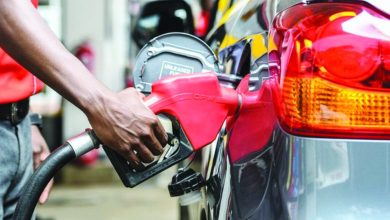
Yes, preventing the adulteration of petrol and diesel is one of the reasons why kerosene may no longer be priced significantly lower than it was in the past.
This is because:
Unscrupulous traders may mix kerosene with petrol or diesel to increase their profits, since these fuels have similar characteristics. Such adulteration reduces fuel quality and can negatively affect engine performance.
To discourage this practice, the government and the petroleum sector regulator have introduced various control measures, including fuel marking (adding chemical markers to petroleum products) and continuous fuel quality monitoring.
The smaller the price difference between kerosene and petrol or diesel, the lower the financial incentive to adulterate fuels. For this reason, the price of kerosene may sometimes be close to—or even higher than—that of petrol or diesel, in addition to other factors such as international market prices and import costs.
Therefore, preventing fuel adulteration is one of the important considerations in fuel pricing policy, although it is not the only one. Fuel prices are also influenced by global oil prices, transportation costs, insurance, taxes, and overall international market conditions.
Writing
Yes, preventing the adulteration of petrol and diesel is one of the reasons why kerosene may no longer be priced significantly lower than it was in the past.
This is because:
Unscrupulous traders may mix kerosene with petrol or diesel to increase their profits, since these fuels have similar characteristics. Such adulteration reduces fuel quality and can negatively affect engine performance.
To discourage this practice, the government and the petroleum sector regulator have introduced various control measures, including fuel marking (adding chemical markers to petroleum products) and continuous fuel quality monitoring.
The smaller the price difference between kerosene and petrol or diesel, the lower the financial incentive to adulterate fuels. For this reason, the price of kerosene may sometimes be close to—or even higher than—that of petrol or diesel, in addition to other factors such as international market prices and import costs.
Therefore, preventing fuel adulteration is one of the important considerations in fuel pricing policy, although it is not the only one. Fuel prices are also influenced by global oil prices, transportation costs, insurance, taxes, and overall international market conditions.
Yes, preventing the adulteration of petrol and diesel is one of the reasons why kerosene may no longer be priced significantly lower than it was in the past.
This is because:
Unscrupulous traders may mix kerosene with petrol or diesel to increase their profits, since these fuels have similar characteristics. Such adulteration reduces fuel quality and can negatively affect engine performance.
To discourage this practice, the government and the petroleum sector regulator have introduced various control measures, including fuel marking (adding chemical markers to petroleum products) and continuous fuel quality monitoring.
The smaller the price difference between kerosene and petrol or diesel, the lower the financial incentive to adulterate fuels. For this reason, the price of kerosene may sometimes be close to—or even higher than—that of petrol or diesel, in addition to other factors such as international market prices and import costs.
Therefore, preventing fuel adulteration is one of the important considerations in fuel pricing policy, although it is not the only one. Fuel prices are also influenced by global oil prices, transportation costs, insurance, taxes, and overall international market conditions.