Sisal waste offers new hope for Tanzania’s forests
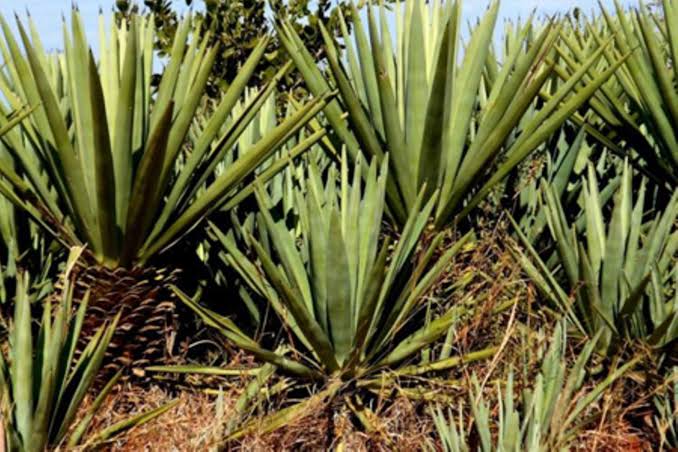
TANGA: TANZANIA could reduce pressure on its dwindling forests by turning sisal waste into woodlike products, offering a potential alternative to conventional timber while opening up new investment opportunities in the agricultural sector.
Researchers from Tanzania and partner institutions have demonstrated the potential to transform sisal residues into valuable products, including wood-like materials, fertiliser, livestock feed and gas, creating economic opportunities from waste that is largely discarded.
Tanzania Sisal Board (TSB) Director General, Saad Kambona, said only about two per cent of the sisal crop was used for fibre production, while the remaining 98 per cent largely went to waste.
Speaking during a presentation of the research findings yesterday, Mr Kambona said the innovations offered opportunities to diversify the sisal industry, improve resource utilisation and support environmental conservation.
“Almost 98 per cent of the crop is currently being thrown away as waste, but the research has shown the potential to expand the use of sisal through the production of wood, gas and other products,” he said.
He said the innovations could generate additional income while reducing waste and supporting efforts to conserve forests.
The research is being conducted under the AgroVal project, formally known as Sustainable Valorisation of AgroIndustrial Residues through Integration of Food, Bioproducts and Bio-Energy Production.
The consortium brings together the Nelson Mandela African Institution of Science and Technology (NM-AIST) in Tanzania, the Technical University of Denmark and Pwani University in Kenya, alongside other collaborating institutions.
NM-AIST researcher, Dr Clemence Ansbert, said the wood-like material could offer an alternative to conventional timber and help reduce dependence on wood obtained through tree felling.
“This will help us move towards a Green Tanzania by reducing dependence on wood from trees,” Dr Ansbert said.
ALSO READ: Prisons, TSB team up to revitalise sisal industry
If commercialised successfully, the material could provide an additional raw material for wood-based applications.
However, its contribution to forest conservation will depend on production costs, market demand and the extent to which it can replace conventional timber.
Mr Kambona said TSB was working with research institutions, including the Tanzania Agricultural Research Institute (TARI), NM-AIST, the University of Dar es Salaam and the University of Dodoma, to develop commercially viable uses for agricultural residues.
He said the presentation marked an initial step towards sharing the findings with a wider audience, with further engagement planned with stakeholders, particularly potential investors.
Lead researcher, Professor Anthony Mshandete, said the project focused on transforming agricultural and agro-industrial waste into valuable products and clean bioenergy, promoting more efficient use of natural resources.
The research also explores the production of fertiliser using black soldier fly larvae to process sisal waste into useful agricultural inputs.
Dr Aziza Konyo said the team had established the potential of the process, which uses the insects to convert organic waste into biomass and nutrient-rich material for agricultural applications.