How smart classrooms, smartboards are smartly connecting schools
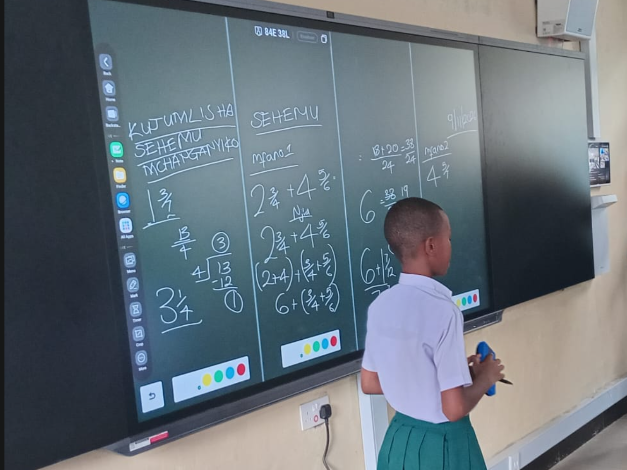
MWANZA: THE USE of Information and Communications Technology (ICT) through smart classrooms built by the Government has begun transforming the teaching and learning system in the country, enabling a single teacher to instruct students in more than one school at the same time.
This technology has been implemented through the Early Childhood and Primary Education Infrastructure Improvement Project (BOOST), which involves constructing smart classrooms, purchasing ICT equipment, and providing training to teachers and students across all 26 regions nationwide.
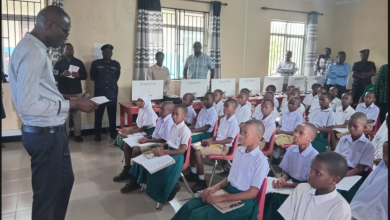
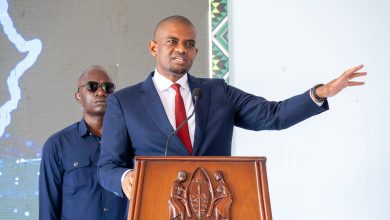
Speaking during a tour of Samia Primary School in Mwanza region, Deputy Minister in the Prime Minister’s Office-Regional Administration and Local Government (PMO-RALG) Dr Festo Dugange stated during his visit in Mwanza Region on Monday that the use of this technology has simplified teaching, increased teacher efficiency, and expanded opportunities for students to access quality education regardless of where they live.
He noted that through smart classrooms and smartboards, one teacher can teach students from different schools simultaneously, a step that helps address the challenge of teacher shortages.
He said during the visit, he witnessed a teacher instructing students at Samia and Kanemwa primary schools—located in different wards—at the exact same time using this technology.
“This is a massive investment made by President Dr. Samia Suluhu Hassan in the country’s education sector. It is now the responsibility of teachers and parents to unite to ensure students study well and take care of the existing infrastructure,” he emphasized.
He added that in Mwanza region, 26 schools have been built under the BOOST project, catalyzing student development, particularly in the use of ICT.
At Samia Primary School, he noted that the Government provided more than Sh 200 million/- for the construction of 10 classrooms and the purchase of learning and teaching materials.
While at Kigongo Primary School in Misungwi District, Dr. Dugange inspected infrastructure built at a cost of Sh 141 million/-, including a smart classroom and a modern early childhood classroom equipped with state-of-the-art teaching and learning facilities.
He stated that these improvements have strengthened the learning environment and enhanced student performance in their studies.
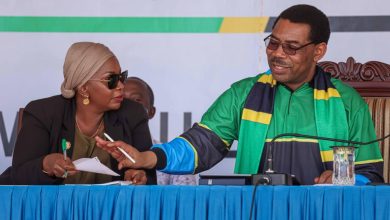
For her part, Mwanza Regional Administrative Secretary, Dr. Fatma Mganga, said the project has brought improvements to the education sector through infrastructure and technology investments.
The Headmaster of Samia Primary School, Chacha Joseph, said the school was provided with a smart classroom containing 20 computers and one smartboard.
He explained that these facilities have enhanced the use of technology in teaching and learning while building the capacity of teachers and students to utilize ICT in educational activities.
He added that students are gaining basic computer skills, learning digitally, and practicing various subjects.
He noted that in Idetemya Ward alone, 10 schools were built through the BOOST project.
He said Mwanza Region has continued to perform well in the education sector despite having a large number of students, ranking second nationally in last year’s Primary School Leaving Examination pass rates.
The ICT teacher at Kigongo Primary School, Silvano Pamba, said smart classrooms have mitigated teacher shortages by enabling one teacher to instruct more than one school at a time.
He added that the technology has also helped improve teachers’ personnel records and increased student enthusiasm for learning.
Charles Mayela, a member of the Mkapa Street Government in Igoma Ward, said the use of ICT in schools has boosted students’ abilities and prepared them to keep pace with global technological changes.
“Today’s world is moving towards the use of ICT. We thank our President, Dr. Samia, for recognizing this and bringing these types of classrooms to our school,” he said.
Misungwi resident George Ngole, from Kigongo, said the upgrades have allowed children to study in a better environment and receive quality education equal to that offered in urban areas.
He added that using the internet for instruction has reduced stress for teachers and given rural students access to the same knowledge available to their urban peers.
Meanwhile, Kasene resident Hellena Kafipa, also from Misungwi District, said the project has eliminated poor classroom infrastructure by constructing modern rooms that meet student needs.
Witness Kigongo, a fifth-grade student at Kigongo Primary School, said the smart classroom has helped her learn faster and acquire more knowledge in using ICT.