Singida scales up battle against human trafficking
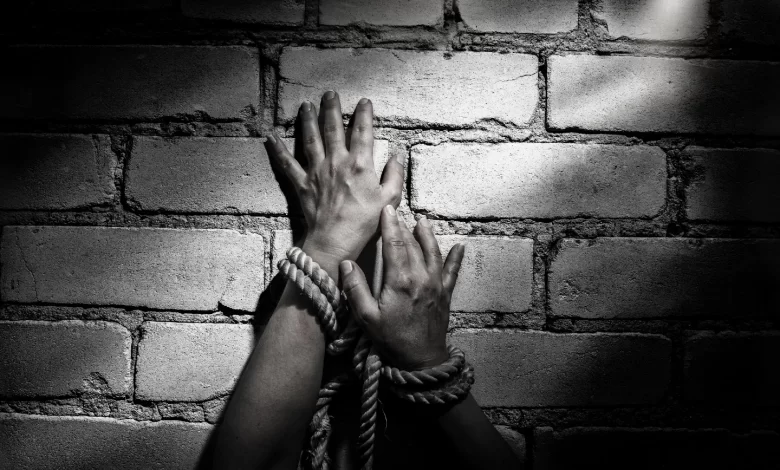
SINGIDA: SINGIDA Region has launched a 12-month action plan aimed at strengthening the fight against human trafficking by improving victim identification, protection, investigation and prosecution of offenders.
The plan, which runs from September 2026 to August 2027, also seeks to strengthen cooperation among institutions responsible for preventing and responding to trafficking-related crimes.
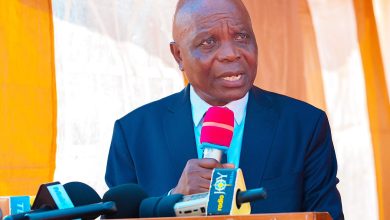
Addressing members of the Regional Anti-Trafficking in Persons Committee, an official from the Secretariat for Anti-Trafficking in Persons, Advocate Providence Simbila, urged members to remain vigilant, warning that traffickers often conceal their activities through deception.
He said committee members needed to apply practical knowledge, ask probing questions and conduct thorough investigations to identify cases that might otherwise remain undetected.
“Human trafficking is often hidden. To establish whether it is taking place, you have to ask many questions, probe and investigate thoroughly,” Advocate Simbila said.
He said many trafficking cases did not present obvious warning signs, making close cooperation among institutions essential to identifying victims, protecting them and bringing perpetrators to justice.
Participants welcomed the initiative, saying it would strengthen community awareness, improve reporting and enhance protection of vulnerable people.
Domestic worker, Hanifa Magoti, said the programme would enable her to educate fellow domestic workers about trafficking risks and encourage them to report suspected cases without fear.
National Muslim Council of Tanzania (BAKWATA) Secretary for Singida Region, Sheikh Abdallah Masoud, said the work plan would also enable religious leaders to contribute more effectively to efforts to protect vulnerable groups.
ALSO READ: Tanzania okays Singida’s Action Plan to prevent and combat human trafficking
Immigration Officer Mwalimu Ali and Police representative Oscar Mariki, said the initiative would strengthen collaboration among committee members in identifying deceptive recruitment methods commonly used by traffickers.
Under the plan, members of the Regional Anti-Trafficking Working Group will integrate anti-trafficking activities into their routine responsibilities instead of establishing a separate operational structure.
Officials said the approach was intended to ensure that trafficking cases could be identified during ordinary government service delivery while enabling institutions to coordinate whenever cases required multi-agency intervention.
The plan places particular emphasis on strengthening indicators for identifying potential trafficking victims and ensuring that rescued victims receive appropriate protection and support services.
It also seeks to improve coordination in investigations and prosecution of offenders, as well as monitoring emerging trafficking trends and challenges across the region.
The Regional Anti-Trafficking Working Group brings together representatives from the Police Force, Immigration Department, Office of the Director of Public Prosecutions, Judiciary, Labour Department, Community Development, Social Welfare, Prisons, religious organisations and the media.
The programme is being implemented under the Empowered II Project, jointly funded by Comunità Volontari per il Mondo (CVM) of Italy and A Partnership with Africa (APA) of Ireland.
Officials said sustained cooperation between government institutions, communities and other stakeholders would be crucial in preventing traffickers from exploiting vulnerable people and ensuring that victims receive timely protection and support.