Rising traffic demands urgent public road awareness campaigns
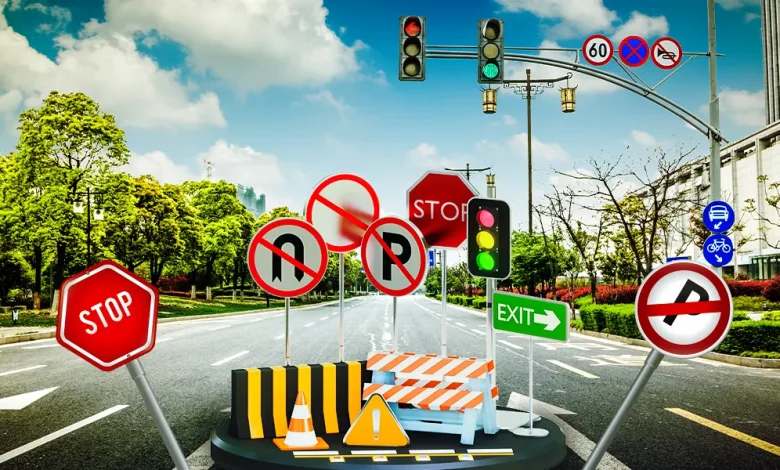
DAR ES SALAAM: ROAD safety remains one of the most pressing public concerns in Tanzania and one of the most effective ways to improve it is through continuous education on road signs. These signs serve as essential communication tools, guiding drivers, pedestrians, cyclists and motorcyclists to use roads responsibly and safely.
In a rapidly urbanising country like Tanzania, where population growth and vehicle numbers continue to rise, public understanding of road signs is more critical than ever. Road signs regulate traffic, prevent accidents and save lives by providing warnings, directions, speed limits and instructions that all road users must follow.
However, the effectiveness of road signs depends on the public’s ability to understand and respect them. This makes continuous education essential. Authorities have noted that sustained public awareness campaigns on road safety, including signage, contribute directly to reducing accidents.
Data from the National Bureau of Statistics (NBS) and the Tanzania Police Force highlights the impact of such campaigns. Road accidents decreased by 57 per cent, from 3,988 cases in 2018 to 1,720 in 2022. Officials attribute this decline in part to increased awareness and educational initiatives focused on road safety.
This demonstrates clearly that educating the public about road rules and signage significantly reduces accidents and saves lives. The increasing number of road users makes education all the more urgent.
Cities such as Dar es Salaam, Dodoma, Mwanza and Arusha continue to experience surging traffic volumes. More vehicles, motorcycles, buses and pedestrians create a greater need for everyone to understand road instructions accurately.
Many accidents occur because drivers fail to obey stop signs, speed limits, or warning signs near schools, hospitals and pedestrian crossings. Often, these violations result from misunderstanding rather than deliberate negligence. Regular educational campaigns through schools, media outlets, driving schools and community outreach programmes are therefore vital to ensuring safe road use.
Motorcycle transport, commonly known as bodaboda, has emerged as one of Tanzania’s most common modes of transportation. However, it also contributes disproportionately to road accidents. Between January and June 2024, motorcycle accidents rose from 216 to 259 cases, a 19.9 per cent increase, while fatalities grew by 16.7 per cent. This trend highlights the urgent need for targeted road sign education among bodaboda riders.
Many frequently violate traffic lights, ignore one-way signs, overtake dangerously, and fail to observe pedestrian crossings. Focused educational campaigns aimed at these riders could significantly reduce such high-risk behaviours. Education is equally important for pedestrians.
Many accidents involve individuals who do not understand crossing signs, footpath instructions, or warning signals. Programs aimed at schoolchildren, market vendors, and community members can raise awareness and reduce pedestrian fatalities. Globally, the World Health Organisation reports that road traffic injuries cause approximately 1.19 million deaths annually, with 92 per cent occurring in low- and middleincome countries, including much of Africa.
ALSO READ: Experts urge patience on inquiry report
More than half of these fatalities involve vulnerable road users, such as pedestrians, cyclists and motorcyclists.
These global statistics are directly relevant to Tanzania, where walking and motorcycle transport remain primary modes of daily movement. Another reason continuous education is essential is the evolving road infrastructure.
Tanzania is investing heavily in new roads, highways, flyovers, and bus rapid transit systems. Each development introduces new signs, markings and traffic systems that road users must understand. The government recently launched a three-year road safety plan to reduce fatalities and serious injuries.
The initiative emphasises safer road design and heightened public awareness. Without consistent education, road users may fail to adapt to these changes, increasing the risk of accidents. Road sign education should begin early, integrated into schools and driving institutions.
Children who learn the meaning and purpose of road signs grow into more responsible road users. Likewise, driving schools must ensure learners comprehend practical applications of signs rather than memorising them for exams. Media campaigns remain a critical tool for reaching the broader population.
Television, radio, newspapers and social media can deliver road safety messages effectively, especially since many Tanzanians regularly access radios and mobile phones. These platforms ensure that both urban and rural audiences receive essential information. In rural areas, education is equally important.
Villagers and residents of small towns may have limited access to formal driver training, yet road networks continue to expand into these regions. Public seminars and local government initiatives can help spread awareness about basic road signs and safe behaviours.
Continuous education also reinforces law enforcement efforts. Traffic police are more effective when the public already understands road rules. Combining enforcement with education fosters long-term behavioural change, reducing reliance on fines or penalties alone.
Tanzania’s existing statistics show the positive effect of education campaigns on accident reduction. Nevertheless, the recent increase in motorcycle incidents and the expansion of road infrastructure indicate that more work is needed. Road signs are effective only when road users understand and respect them.
Coordinated efforts among the government, schools, traffic police, media, and communities are essential to maintain and expand education on road signs. Such initiatives not only prevent accidents but also foster a culture of safety and responsibility among road users across the country.
Ultimately, continuous road sign education in Tanzania is more than a policy priority, it is a life-saving necessity. With rising traffic, evolving infrastructure, and a growing population of vulnerable road users, ensuring that every person understands and obeys road signs is crucial for safer roads.
Ongoing education initiatives, combined with enforcement and community engagement, will help secure Tanzania’s roads, protect lives, and sustain the nation’s progress toward safer and more responsible transportation.