Religious leaders urged to spearhead national healing after inquiry findings
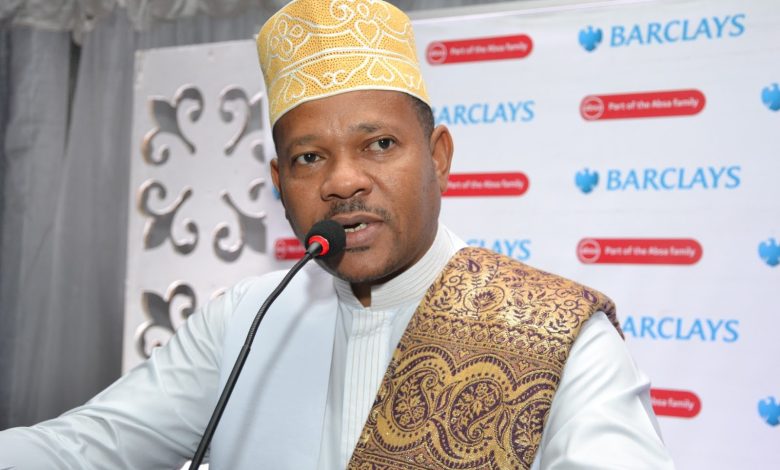
DAR ES SALAAM: RELIGIOUS leaders across the country have been called upon to take a leading role in promoting peace, unity and reconciliation, upon the release of findings by the Commission of Inquiry, which is expected to lay a foundation for national healing and cohesion.
Analysts and clerics from various faith-based institutions say the period following the presentation of the Commission’s findings will mark a critical transition from investigation to healing, where religious institutions must step forward as key actors in fostering unity.
They noted that religious leaders are uniquely positioned to mediate conflicts and promote harmony, given the trust and influence they command within communities.
At a time when the country is emerging from heightened social and political tensions, faith leaders are expected to guide citizens toward reconciliation and peaceful coexistence.
Speaking in separate interviews, stakeholders stressed that religious institutions must remain neutral pillars of unity, encouraging dialogue, mutual respect and tolerance regardless of differences in belief, political affiliation or background.
Tumaini University Dar es Salaam College (TUDARCO), Assistant Lecturer, Ms Rachel Yusuph, said faith-based institutions wield significant influence and should actively promote forgiveness and constructive engagement, particularly now that the Commission is highlighting key national concerns.
She urged religious leaders to refrain from stoking divisions and instead guide their followers toward peaceful conflict resolution in line with the Commission’s findings.
“Faith teachings emphasise forgiveness and unity; these values must be reflected in national discourse, particularly as the country will move forward following the Commission’s report,” she said.
Ms Yusuph added that religious leaders have a direct connection with people’s emotions and conscience and if they utilise that position responsibly, they can help transform the Commission’s recommendations into lasting peace.
She emphasised that all religions preach forgiveness, making this a crucial moment to advocate reconciliation rather than hatred, as the nation enters a new phase of healing.
She also warned against the misuse of religious platforms to deepen political divisions or incite tension.
“People trust you as a religious leader. If you speak irresponsibly, you can affect the entire community,” she cautioned.
Beyond preaching, Ms Yusuph encouraged religious leaders to take proactive mediation roles by bringing together conflicting parties and facilitating dialogue, thereby translating the Commission’s findings into practical reconciliation efforts.
She further noted that places of worship can serve as early warning platforms, where grievances are expressed before escalating into wider conflicts.
“Many people turn to religious leaders when they are troubled. That is the moment to help them before the situation worsens,” she said.
Moreover, she called on faith leaders to guide young people toward responsible and peaceful participation in national affairs, noting that youth can either build or destabilise the nation depending on the guidance they receive.
She described the role of religious leaders in reconciliation as not only an opportunity but a moral obligation at this stage of national reflection.
ALSO READ: Religious leaders call for dialogue, justice during festive season
“This is a responsibility given by God to lead people toward peace. Failure to do so has serious consequences for society,” she said.
The Tanzania Community for Reconciliation and Peace (JMAT) Chairperson, Sheikh Alhadi Mussa Salumu, echoed the sentiments, saying religious institutions bear a significant responsibility to unite Tanzanians, especially now that the Commission’s findings provide a framework for addressing grievances.
He said that despite differences in faith or denomination, all religious institutions share fundamental values centred on human dignity and respect for human rights.
“At the core, religious institutions agree on the value of humanity and human rights. A human being is a human being, regardless of faith. Such a person has the right to life, protection, respect, inclusion and to be heard,” he said.
Sheikh Salumu stressed that religious institutions should never promote discrimination but instead prioritise national unity and harmony among both leaders and followers as the country moves forward.
On his part, Pastor Canon Isaya said religious teachings encourage resolving conflicts promptly, ideally within the same day, underscoring the importance of timely reconciliation in society.
He noted that events during and after the elections had shaken the nation, but the Commission’s findings are expected to present an opportunity for all sides to come together and resolve their differences.
“In religion, disagreements should not last until sunset. Coming together means reconciliation. The people we lead differ in behaviour, education, beliefs and lifestyles,” he said.
The National Muslim Council of Tanzania (BAKWATA) Secretary General, Mr Nuru Mruma, also called on religious leaders at all levels to promote unity, love and peaceful coexistence, while cautioning against actions that could trigger unrest.
He described the current moment as a critical turning point for the country and welcomed the government’s decision to establish the Commission, expressing confidence that its findings will guide the nation toward genuine reconciliation.
“We believe the Commission findings and recommendations will provide direction for the nation to move toward genuine reconciliation so that we continue to live as one community,” he said.