Parents must reject dubious offers targeting schoolgirls
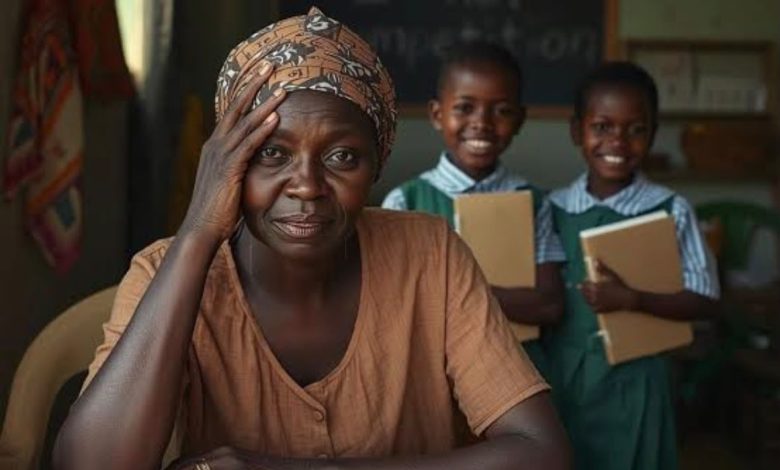
DAR ES SALAAM: THERE is nothing wrong with a child enjoying a well-earned break after Standard Seven examinations. After months of books, pencils and examination nerves, a little rest is deserved.
But parents should be alert when strangers suddenly arrive with attractive promises of “good jobs” in town for their children, particularly girls.
This is especially important in rural communities, where children who have completed Standard Seven examinations are now at home awaiting the next stage of their education.
Some people may attempt to persuade parents to release their daughters for temporary domestic work as house girls in urban areas.
Such arrangements should be treated with extreme caution. Parents must understand that sending children into domestic employment can expose them to exploitation, abuse, excessive workloads, violence, sexual abuse and denial of education.
A promise that sounds like an opportunity can quickly become a trap, particularly when children are separated from their families and placed under the control of people their parents barely know.
The issue is not simply about a child travelling from a village to a town. It is about children’s rights, safety and development.
ALSO READ: Ending FGM begins with communities
Recruiting school-age children into employment, especially in circumstances that interfere with education or expose them to exploitation, contributes to child labour.
It can also fuel unnecessary rural-to-urban migration among children who should instead be preparing for continued education and a safer transition into adulthood.
Parents therefore have a responsibility to ask questions before agreeing to any such arrangement.
Who is employing the child? Where will she live? What work will she perform? Who will supervise her? Will she continue her education? What protections are available if she is mistreated? Most importantly, why should a child be working at all when her education should remain the priority? Government authorities, local leaders, schools, child-protection organisations and other relevant stakeholders should publicly condemn the recruitment of children into exploitative domestic work.
They should strengthen awareness campaigns in rural communities, monitor recruitment practices and ensure that suspected cases of child labour and abuse are reported and investigated.
Condemnation is necessary because silence can create the impression that exploiting children is acceptable.
Strong public action can discourage recruiters, inform parents and remind communities that poverty must never become a licence to compromise children’s safety.
Urban employment opportunities should not be allowed to become a pipeline for exploiting rural children.
Parents should be cautious, communities vigilant and authorities’ firm. A child’s holiday should end with school, not manipulation.