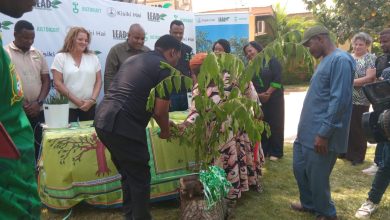
Over 60pc of students benefit from school meals

DODOMA: MORE than 60 per cent of students in Tanzania are currently benefiting from school feeding programmes, with the government calling on parents to support efforts to provide meals to learners while at school.
Speaking recently in Dodoma during the commemoration of the African Day of School Feeding and the International School Meals Day, the School Feeding and Nutrition Coordinator in the Ministry of Education, Science and Technology, Ms Grace Shileringo, said parental cooperation remains key to the programme’s success.
She noted that if children were at home they would still need to be fed, adding that since many spend long hours in school, it is important for parents to support the government’s efforts to provide meals, particularly for day scholars.
Ms Shileringo said the ministry will continue mobilising development partners, government and non-government institutions, as well as sector ministries involved in food and nutrition to ensure sustainability of the school feeding programme.
She said that without cooperation from stakeholders, the initiative cannot be effectively implemented.
She further urged parents and communities to play an active role in ensuring the availability of meals in schools.
Tanzania joined the School Meals Coalition in September 2022, committing to expand sustainable, locally sourced school feeding programmes aimed at improving nutrition and education outcomes.
The country has also pledged to increase the school meals budget annually in line with enrolment, establish a National School Feeding Technical Working Group and adopt regional and continental guidelines to strengthen programme implementation.
ALSO READ: Govt rallies support to improve school meals
The World Food Programme (WFP) Deputy Country Director, Christine Mendes, called for stronger integration of school feeding initiatives with food production activities such as school gardens, small livestock and fisheries.
She said this approach would equip students with practical skills while improving nutrition and promoting self-reliance.
Ms Mendes added that complementary interventions including nutrition screening, deworming, improved water, sanitation and hygiene services, food safety and behaviour change communication are essential in transforming schools into centres of healthy development.
She also emphasised the need for school meals programmes to be inclusive, noting that they should not be limited to households that can afford to contribute but should prioritise vulnerable learners, including children with special needs.