

Mwinyi seeks stronger Sweden economic links
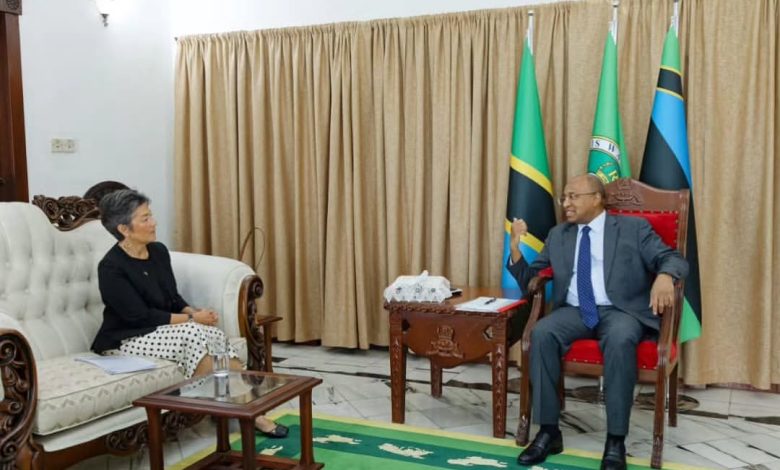
ZANZIBAR: ZANZIBAR President Hussein Mwinyi has called for strengthened economic cooperation between Zanzibar and Sweden, highlighting investment opportunities in renewable energy, the blue economy and seaweed processing.
Dr Mwinyi said enhanced collaboration with Sweden would support Zanzibar’s efforts to attract foreign investment and accelerate sustainable economic growth.
He made the remarks yesterday at State House in Zanzibar during a farewell meeting with Sweden’s Ambassador to Tanzania, Ms Charlotta Ozaki Macias.
The President expressed appreciation for Sweden’s long-standing support towards Zanzibar’s development, while inviting Swedish investors to explore opportunities in various strategic sectors.
He said the Zanzibar government had created a conducive and investorfriendly environment aimed at positioning the Isles as a competitive destination for international businesses.
“We welcome Swedish companies to invest in Zanzibar, particularly in renewable energy, where there is great potential to increase electricity production and support economic growth,” Dr Mwinyi said.
The President noted that the government was prioritising alternative energy sources, including wind and solar power, as part of measures to enhance energy security and reduce reliance on imported He also highlighted the blue economy as a key pillar of Zanzibar’s economic transformation agenda, citing seaweed farming as one of the sectors with significant potential to improve livelihoods among coastal communities.
Dr Mwinyi said the government was focusing on adding value to seaweed products by shifting from exporting raw materials to local processing and manufacturing of high-value products.
He said the move would increase farmers’ earnings, create employment opportunities and enhance export revenues.
“For many years, Zanzibar has exported seaweed in raw form with limited benefits to farmers. We are now determined to process it locally and unlock its full economic potential,” he said.
Beyond investment cooperation, Dr Mwinyi commended Sweden for its continued support in social sectors, including education, health and social welfare, saying the partnership had contributed significantly to improving people’s lives.
ALSO READ: Diplomacy or deception? The reality behind Sweden’s aid withdrawal from Tanzania
He called on Sweden to continue supporting Zanzibar as it implements its Development Vision 2050, which seeks to achieve sustainable and inclusive economic growth.
For her part, Ambassador Macias praised President Mwinyi and the people of Zanzibar for progress made in strengthening political reconciliation, particularly through the Joint Declaration and Action Agenda signed between the ruling Chama Cha Mapinduzi (CCM) and opposition ACT-Wazalendo.
She described the initiative as an important milestone in promoting unity, stability and democratic development, noting that a stable political environment was crucial for attracting investment and strengthening long-term partnerships.
The meeting marked the conclusion of Ambassador Macias’ diplomatic assignment in Tanzania, following a period of enhanced cooperation between Sweden and Zanzibar in development, governance and social sectors.



Tanzania and India both have prison systems based on laws and court orders, but they differ in administration, conditions, legal procedures, and scale. Here’s a comparison:
| Aspect | Tanzania | India |
| ——————– | ———————————————————————————————- | ———————————————————————————————————————- |
| Prison authority | Managed by the Tanzania Prisons Service | Managed by individual state prison departments under guidance from the Ministry of Home Affairs |
| Prison population | Smaller prison population | One of the world’s largest prison populations |
| Overcrowding | Many prisons experience overcrowding | Overcrowding is a major issue in many states, especially large urban prisons |
| Undertrial prisoners | Present, but in smaller numbers | A large proportion of inmates are undertrials (awaiting trial) |
| Prison conditions | Conditions vary, with some facilities facing shortages of food, healthcare, and infrastructure | Conditions also vary widely; some prisons have better facilities, while others face overcrowding and limited resources |
| Rehabilitation | Includes vocational training, farming, and education in some prisons | Many prisons offer education, vocational training, counseling, and skill development programs |
### Key differences
* **Legal system:** Tanzania’s legal system is influenced by English common law, customary law, and statutory law. India also follows a common-law system but has a more extensive constitutional and judicial framework.
* **Scale:** India has over a billion people and thousands of prisons, while Tanzania’s prison system is much smaller.
* **Undertrial detainees:** India has a particularly high percentage of prisoners awaiting trial, which is one of its biggest prison-system challenges.
* **Prison work:** In both countries, prisoners may participate in work such as agriculture, carpentry, tailoring, or other vocational activities. Participation and compensation depend on local laws and prison regulations.
* **Prisoner rights:** Both countries recognize basic prisoner rights, including access to healthcare and legal representation, although implementation and prison conditions vary across facilities.
### Similarities
* Both countries separate male and female prisoners.
* Both have maximum-security and lower-security prisons.
* Both provide opportunities for education and vocational training in some facilities.
* Both permit family visits, subject to prison regulations.
* Both face challenges related to overcrowding and limited resources in parts of their prison systems.
Overall, India’s prison system is much larger and more complex due to its population size, while Tanzania’s system is smaller but faces many of the same challenges, including resource constraints and overcrowding.
Tanzania and India both have prison systems based on laws and court orders, but they differ in administration, conditions, legal procedures, and scale. Here’s a comparison:
| Aspect | Tanzania | India |
| ——————– | ———————————————————————————————- | ———————————————————————————————————————- |
| Prison authority | Managed by the Tanzania Prisons Service | Managed by individual state prison departments under guidance from the Ministry of Home Affairs |
| Prison population | Smaller prison population | One of the world’s largest prison populations |
| Overcrowding | Many prisons experience overcrowding | Overcrowding is a major issue in many states, especially large urban prisons |
| Undertrial prisoners | Present, but in smaller numbers | A large proportion of inmates are undertrials (awaiting trial) |
| Prison conditions | Conditions vary, with some facilities facing shortages of food, healthcare, and infrastructure | Conditions also vary widely; some prisons have better facilities, while others face overcrowding and limited resources |
| Rehabilitation | Includes vocational training, farming, and education in some prisons | Many prisons offer education, vocational training, counseling, and skill development programs |
### Key differences
* **Legal system:** Tanzania’s legal system is influenced by English common law, customary law, and statutory law. India also follows a common-law system but has a more extensive constitutional and judicial framework.
* **Scale:** India has over a billion people and thousands of prisons, while Tanzania’s prison system is much smaller.
* **Undertrial detainees:** India has a particularly high percentage of prisoners awaiting trial, which is one of its biggest prison-system challenges.
* **Prison work:** In both countries, prisoners may participate in work such as agriculture, carpentry, tailoring, or other vocational activities. Participation and compensation depend on local laws and prison regulations.
* **Prisoner rights:** Both countries recognize basic prisoner rights, including access to healthcare and legal representation, although implementation and prison conditions vary across facilities.
### Similarities
* Both countries separate male and female prisoners.
* Both have maximum-security and lower-security prisons.
* Both provide opportunities for education and vocational training in some facilities.
* Both permit family visits, subject to prison regulations.
* Both face challenges related to overcrowding and limited resources in parts of their prison systems.
Overall, India’s prison system is much larger and more complex due to its population size, while Tanzania’s system is smaller but faces many of the same challenges, including resource constraints and overcrowding.
Tanzania and India both have prison systems based on laws and court orders, but they differ in administration, conditions, legal procedures, and scale. Here’s a comparison:
| Aspect | Tanzania | India |
| ——————– | ———————————————————————————————- | ———————————————————————————————————————- |
| Prison authority | Managed by the Tanzania Prisons Service | Managed by individual state prison departments under guidance from the Ministry of Home Affairs |
| Prison population | Smaller prison population | One of the world’s largest prison populations |
| Overcrowding | Many prisons experience overcrowding | Overcrowding is a major issue in many states, especially large urban prisons |
| Undertrial prisoners | Present, but in smaller numbers | A large proportion of inmates are undertrials (awaiting trial) |
| Prison conditions | Conditions vary, with some facilities facing shortages of food, healthcare, and infrastructure | Conditions also vary widely; some prisons have better facilities, while others face overcrowding and limited resources |
| Rehabilitation | Includes vocational training, farming, and education in some prisons | Many prisons offer education, vocational training, counseling, and skill development programs |
### Key differences
* **Legal system:** Tanzania’s legal system is influenced by English common law, customary law, and statutory law. India also follows a common-law system but has a more extensive constitutional and judicial framework.
* **Scale:** India has over a billion people and thousands of prisons, while Tanzania’s prison system is much smaller.
* **Undertrial detainees:** India has a particularly high percentage of prisoners awaiting trial, which is one of its biggest prison-system challenges.
* **Prison work:** In both countries, prisoners may participate in work such as agriculture, carpentry, tailoring, or other vocational activities. Participation and compensation depend on local laws and prison regulations.
* **Prisoner rights:** Both countries recognize basic prisoner rights, including access to healthcare and legal representation, although implementation and prison conditions vary across facilities.
### Similarities
* Both countries separate male and female prisoners.
* Both have maximum-security and lower-security prisons.
* Both provide opportunities for education and vocational training in some facilities.
* Both permit family visits, subject to prison regulations.
* Both face challenges related to overcrowding and limited resources in parts of their prison systems.
Overall, India’s prison system is much larger and more complex due to its population size, while Tanzania’s system is smaller but faces many of the same challenges, including resource constraints and overcrowding.
Tanzania and India both have prison systems based on laws and court orders, but they differ in administration, conditions, legal procedures, and scale. Here’s a comparison:
| Aspect | Tanzania | India |
| ——————– | ———————————————————————————————- | ———————————————————————————————————————- |
| Prison authority | Managed by the Tanzania Prisons Service | Managed by individual state prison departments under guidance from the Ministry of Home Affairs |
| Prison population | Smaller prison population | One of the world’s largest prison populations |
| Overcrowding | Many prisons experience overcrowding | Overcrowding is a major issue in many states, especially large urban prisons |
| Undertrial prisoners | Present, but in smaller numbers | A large proportion of inmates are undertrials (awaiting trial) |
| Prison conditions | Conditions vary, with some facilities facing shortages of food, healthcare, and infrastructure | Conditions also vary widely; some prisons have better facilities, while others face overcrowding and limited resources |
| Rehabilitation | Includes vocational training, farming, and education in some prisons | Many prisons offer education, vocational training, counseling, and skill development programs |
### Key differences
* **Legal system:** Tanzania’s legal system is influenced by English common law, customary law, and statutory law. India also follows a common-law system but has a more extensive constitutional and judicial framework.
* **Scale:** India has over a billion people and thousands of prisons, while Tanzania’s prison system is much smaller.
* **Undertrial detainees:** India has a particularly high percentage of prisoners awaiting trial, which is one of its biggest prison-system challenges.
* **Prison work:** In both countries, prisoners may participate in work such as agriculture, carpentry, tailoring, or other vocational activities. Participation and compensation depend on local laws and prison regulations.
* **Prisoner rights:** Both countries recognize basic prisoner rights, including access to healthcare and legal representation, although implementation and prison conditions vary across facilities.
### Similarities
* Both countries separate male and female prisoners.
* Both have maximum-security and lower-security prisons.
* Both provide opportunities for education and vocational training in some facilities.
* Both permit family visits, subject to prison regulations.
* Both face challenges related to overcrowding and limited resources in parts of their prison systems.
Overall, India’s prison system is much larger and more complex due to its population size, while Tanzania’s system is smaller but faces many of the same challenges, including resource constraints and overcrowding.
Tanzania and India both have prison systems based on laws and court orders, but they differ in administration, conditions, legal procedures, and scale. Here’s a comparison:
| Aspect | Tanzania | India |
| ——————– | ———————————————————————————————- | ———————————————————————————————————————- |
| Prison authority | Managed by the Tanzania Prisons Service | Managed by individual state prison departments under guidance from the Ministry of Home Affairs |
| Prison population | Smaller prison population | One of the world’s largest prison populations |
| Overcrowding | Many prisons experience overcrowding | Overcrowding is a major issue in many states, especially large urban prisons |
| Undertrial prisoners | Present, but in smaller numbers | A large proportion of inmates are undertrials (awaiting trial) |
| Prison conditions | Conditions vary, with some facilities facing shortages of food, healthcare, and infrastructure | Conditions also vary widely; some prisons have better facilities, while others face overcrowding and limited resources |
| Rehabilitation | Includes vocational training, farming, and education in some prisons | Many prisons offer education, vocational training, counseling, and skill development programs |
### Key differences
* **Legal system:** Tanzania’s legal system is influenced by English common law, customary law, and statutory law. India also follows a common-law system but has a more extensive constitutional and judicial framework.
* **Scale:** India has over a billion people and thousands of prisons, while Tanzania’s prison system is much smaller.
* **Undertrial detainees:** India has a particularly high percentage of prisoners awaiting trial, which is one of its biggest prison-system challenges.
* **Prison work:** In both countries, prisoners may participate in work such as agriculture, carpentry, tailoring, or other vocational activities. Participation and compensation depend on local laws and prison regulations.
* **Prisoner rights:** Both countries recognize basic prisoner rights, including access to healthcare and legal representation, although implementation and prison conditions vary across facilities.
### Similarities
* Both countries separate male and female prisoners.
* Both have maximum-security and lower-security prisons.
* Both provide opportunities for education and vocational training in some facilities.
* Both permit family visits, subject to prison regulations.
* Both face challenges related to overcrowding and limited resources in parts of their prison systems.
Overall, India’s prison system is much larger and more complex due to its population size, while Tanzania’s system is smaller but faces many of the same challenges, including resource constraints and overcrowding.
Tanzania and India both have prison systems based on laws and court orders, but they differ in administration, conditions, legal procedures, and scale. Here’s a comparison:
| Aspect | Tanzania | India |
| ——————– | ———————————————————————————————- | ———————————————————————————————————————- |
| Prison authority | Managed by the Tanzania Prisons Service | Managed by individual state prison departments under guidance from the Ministry of Home Affairs |
| Prison population | Smaller prison population | One of the world’s largest prison populations |
| Overcrowding | Many prisons experience overcrowding | Overcrowding is a major issue in many states, especially large urban prisons |
| Undertrial prisoners | Present, but in smaller numbers | A large proportion of inmates are undertrials (awaiting trial) |
| Prison conditions | Conditions vary, with some facilities facing shortages of food, healthcare, and infrastructure | Conditions also vary widely; some prisons have better facilities, while others face overcrowding and limited resources |
| Rehabilitation | Includes vocational training, farming, and education in some prisons | Many prisons offer education, vocational training, counseling, and skill development programs |
### Key differences
* **Legal system:** Tanzania’s legal system is influenced by English common law, customary law, and statutory law. India also follows a common-law system but has a more extensive constitutional and judicial framework.
* **Scale:** India has over a billion people and thousands of prisons, while Tanzania’s prison system is much smaller.
* **Undertrial detainees:** India has a particularly high percentage of prisoners awaiting trial, which is one of its biggest prison-system challenges.
* **Prison work:** In both countries, prisoners may participate in work such as agriculture, carpentry, tailoring, or other vocational activities. Participation and compensation depend on local laws and prison regulations.
* **Prisoner rights:** Both countries recognize basic prisoner rights, including access to healthcare and legal representation, although implementation and prison conditions vary across facilities.
### Similarities
* Both countries separate male and female prisoners.
* Both have maximum-security and lower-security prisons.
* Both provide opportunities for education and vocational training in some facilities.
* Both permit family visits, subject to prison regulations.
* Both face challenges related to overcrowding and limited resources in parts of their prison systems.
Overall, India’s prison system is much larger and more complex due to its population size, while Tanzania’s system is smaller but faces many of the same challenges, including resource constraints and overcrowding.