Most cashew nuts to be processed locally by 2030
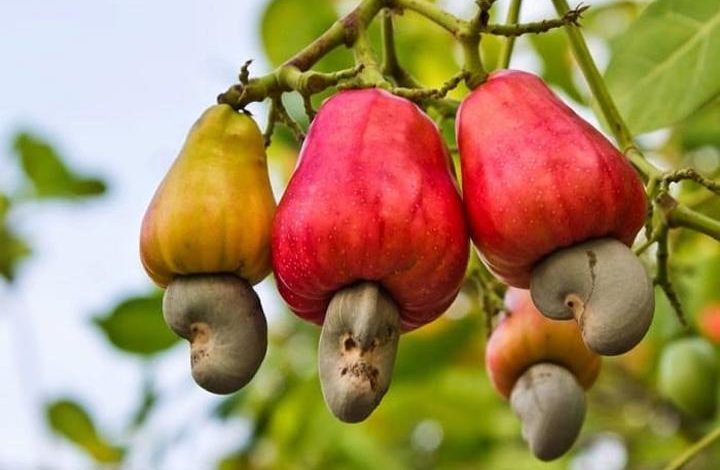
DODOMA: ANNUAL cashew nut production is expected to reach one million tonnes by 2030, with most of the crop set to be processed locally under a government strategy aimed at increasing value addition and boosting export earnings.
Deputy Minister for Agriculture, David Silinde, told the National Assembly yesterday that the plan seeks to ensure the country captures greater value from the growing global demand for processed agricultural products.
“Our goal is to ensure that by 2030, a large proportion of cashew nuts produced in the country are processed and value-added locally while annual production reaches one million tonnes,” he said.
Mr Silinde said this while responding to a basic question from Abdallah Chikota (Nanyamba, CCM), who sought to know what measures the government is taking to provide incentives to local cashew processors.
In response, he said the government will continue improving the investment climate in the cashew sub-sector to attract more processors and expand local shelling capacity.
“One of the key initiatives is the establishment of the Maranje Industrial Park, which has been equipped with roads, electricity and water to support investment in cashew processing industries,” he said.
According to him, the industrial park has been registered under the Tanzania Special Economic Zones Authority (TISEZA), enabling investors to benefit from incentives available under the special economic zones’ framework.
“Investors who establish processing industries in the area will benefit from incentives offered under the special economic zones framework,” he said.
In a supplementary question, Rebecca Nsemwa (Special Seats, CCM), raised concerns over the shortage of cold storage facilities in Njombe Region.
ALSO READ: ACA; Tanzania a global hub for cashew learning
In response, Mr Silinde said the government is strengthening the avocado value chain by investing in cold storage facilities and encouraging private investment in major production areas to reduce post-harvest losses and improve market access for farmers.
He said avocado has become one of the country’s priority horticultural crops due to growing international demand.
Mr Silinde further said the government is implementing the Tanzania Food Systems Resilience Project (TFSRP), under which cold storage facilities are being constructed in Rungwe and other avocado-producing areas, including Njombe.
“Njombe is among the areas covered by the project. The cold chain facilities will help reduce post-harvest losses and improve farmers’ returns,” he said.
He added that subsidised avocado seedlings are also being distributed to farmers while investors are being encouraged to establish processing and marketing ventures in Njombe to create reliable markets for the crop.
“Avocado is currently among the most sought-after crops in international markets and we are working to ensure farmers fully benefit from these opportunities,” he said.