Judge Parliament by its service to the people – Speaker
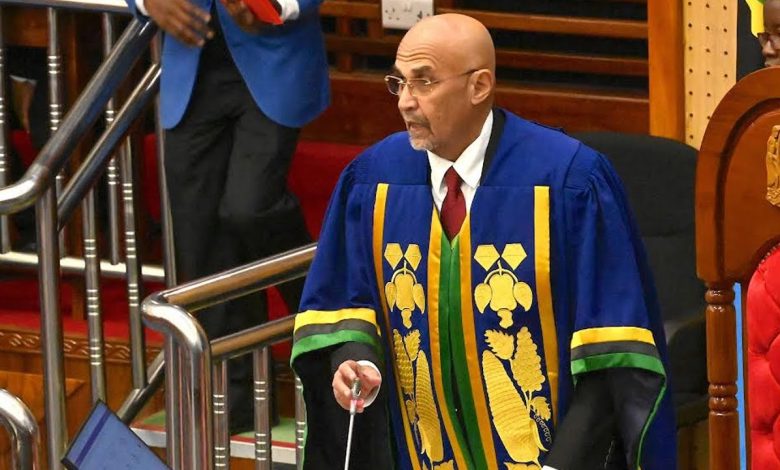
DODOMA: SPEAKER of the National Assembly Mussa Azzan Zungu has called on Tanzanians to assess Parliament by how effectively it serves citizens rather than describing it as weak or strong, saying its constitutional duty is to safeguard public interests and improve people’s welfare.
Speaking ahead of preparations for Parliament’s 100th anniversary celebrations, Mr Zungu said the institution should be judged by how well it fulfils its core responsibilities of making laws, overseeing the government and representing the people.
“We should not say Parliament is weak or strong. Its responsibility is to promote the welfare of society through better healthcare, education, housing, environmental protection and other national priorities,” he said.
He announced that the centenary celebrations will culminate in January next year under the theme “One Hundred Years of Parliament: Our History, Our Vision,” providing an opportunity for Tanzanians to reflect on Parliament’s contribution to democracy, accountability and national development.
Mr Zungu said Parliament will work with the Office of the Clerk of the National Assembly, former parliamentary journalists and other stakeholders to document and preserve the country’s legislative history.
“History helps us understand where we came from, where we are today and where we are heading as a nation,” he said.
ALSO READ: Rotary supports effort to improve hygiene among schoolgirls
The Speaker noted that Parliament has strengthened accountability through committee oversight, scrutiny of public expenditure, examination of Controller and Auditor General (CAG) reports, live broadcasts of parliamentary proceedings and wider use of digital technology.
Addressing public perceptions, Mr Zungu said Parliament’s effectiveness should not be measured by the number of opposition MPs, recalling that opposition parties won 102 seats in the 2015 General Election under the same Constitution and electoral framework. He said parliamentary debates at the time were competitive but focused on national development rather than political hostility.
Although the current opposition does not meet the threshold for official recognition in Parliament, he said the House continues to promote inclusiveness by allowing opposition legislators to chair the Public Accounts Committee and the Local Authorities Accounts Committee.
Mr Zungu also highlighted gains in representation, saying women now account for about 40 per cent of Members of Parliament, while the House has 72 young MPs and 11 representatives of persons with disabilities.
Tracing Parliament’s history, he said Tanzania’s legislature was established on March 19, 1926, through the Legislative Council and has since evolved through constitutional reforms, independence, the Union and the restoration of multiparty democracy.