Veta to launch cage fish farming course
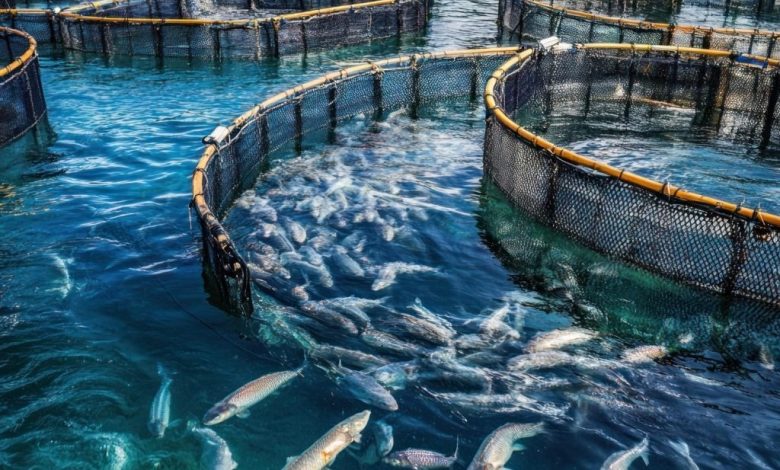
DODOMA: CAGE fish farming training will be introduced at the Vocational Education and Training Authority (VETA) College in Ukerewe from January next year, equipping young people with practical aquaculture skills to create jobs and boost fish production.
Deputy Minister for Education, Science and Technology, Wanu Hafidh Ameir, told the National Assembly yesterday that the short courses will be offered through collaboration between Veta Ukerewe and Veta Chato as part of efforts to harness the economic potential of Lake Victoria.
The programme will target youths involved in fisheries and aquaculture activities in Ukerewe and neighbouring areas.
“The government recognises the importance of the fisheries sector in creating employment opportunities, increasing household incomes and contributing to national economic growth, particularly in areas endowed with abundant water resources such as Ukerewe District,” she said.
The deputy minister was responding to a basic question from Dr Regina Malima (Special Seats, CCM), who sought to know when cage fish farming training would be introduced at Veta Ukerewe.
ALSO READ: TISEZA picks gold mining, cage fish farming, tourism as potential investments in Mara
Responding, Ms Wanu said Veta continues to develop training programmes that equip young people with modern skills in fish farming, fishing and fish processing.
She said Veta Ukerewe already offers courses in fish processing and value addition, including fish and sardine drying, preservation and baking techniques.
However, she said due to growing demand for fish farming skills and the opportunities available in the area, the government has planned to introduce cage fish farming training through short courses starting in January 2027.
She added that the programme will equip young people with practical aquaculture skills to increase fish production, improve productivity and access employment opportunities.
The initiative is also expected to support the government’s blue economy agenda and strengthen food security through sustainable fisheries development.
Ms Wanu said the training will help empower youths, raise household incomes and unlock the economic potential of Lake Victoria and other water bodies across the country.