MIF 2026: Steering Tanzania’s investment towards Vision 2050
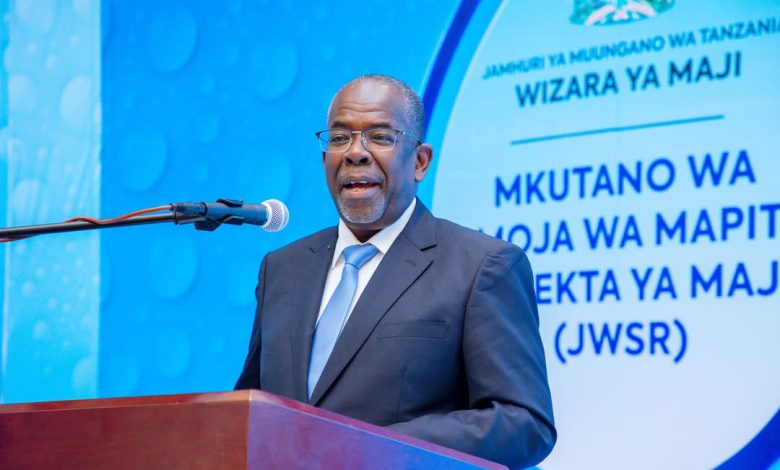
DAR ES SALAAM: BY mid-afternoon yesterday, the Minority Interest Forum 2026 (MIF 2026) drew to a close, capping three days of deliberations among board directors, executives, policymakers and experts on the future of Tanzania’s minority interest companies.
Now in its third edition since 2024, MIF 2026 has become more than just a forum. It is a platform where leaders are called to look beyond oversight, embrace foresight and take strategic responsibility for the government’s minority investments.
Held under the theme “From Oversight to Foresight: Advancing Agile and Innovative Leadership under Transformation Pressures,” this year’s forum underscored the urgency of proactive, forward-looking leadership in an increasingly complex economic environment.
The forum opened on Monday with a call to action from the Finance Minister, Amb Khamis Mussa Omar, who outlined eight strategic government directives designed to strengthen minority interest companies and accelerate Tanzania’s journey toward becoming an upper-middle-income country under the national Vision 2050.
The vision aims to grow the economy from about 85 billion US dollars today to 1 trillion US dollar by 2050, a goal that hinges on ensuring public investments deliver measurable, sustainable results.
During the forum that brought together over 200 participants, Minister Omar reminded participants that minority interest companies are not just financial assets, but instruments for national development.
“The expectation is clear every Minority Interest Company must generate measurable value for the Government and the citizens at large,” he said.
He stressed that boards and management must align corporate strategies with national priorities, anticipate market trends and adopt performance-driven approaches that improve efficiency, profitability and overall shareholder value.
The minister’s remarks set the tone for the three days of discussions. He encouraged companies to harness technology to enhance transparency and governance, while fostering collaboration across institutions to share expertise, identify opportunities and achieve collective impact.
He also highlighted the importance of forward-looking governance, noting that leaders must anticipate risks and respond to emerging challenges in an increasingly competitive global economy. As the forum progressed, the discussion expanded beyond corporate strategy and performance.
Participants explored themes critical for long-term sustainability, including economic and competitive intelligence, institutional resilience, innovation under pressure and environmental, social and governance (ESG) considerations.
The objective was clear: minority interest companies must be equipped to thrive in a rapidly evolving economic landscape while contributing meaningfully to national development.
At the closing session yesterday, Deputy Minister in the President’s Office – Planning and Investment, Dr Pius Chaya, echoed the minister’s sentiments, urging directors to move beyond routine oversight and embrace responsible stewardship of national investments.
“Government investments are not merely shares in companies; they are shares in the future of our Nation,” he said.
“Every decision you make in the boardroom must ultimately translate into real benefits for Tanzanians.” Dr Chaya reminded participants that minority investments are strategic resources that must be protected, enhanced and used to drive national economic transformation.
He called on directors to ensure that government equity is never diluted and that companies are structured to generate measurable value for citizens.
He encouraged boards to translate the forum’s discussions into actionable strategies, emphasising the need to move from dialogue to implementation and from commitments to tangible outcomes.
ALSO READ: Why Tanzania’s investment climate attained remarkable growth
The forum also highlighted the role of Treasury Registrar Mr Nehemiah Mchechu, whose leadership has been instrumental in shaping MIF as a platform for enhancing governance and corporate performance.
Mr Mchechu stressed that effective leadership today demands foresight, agility and innovation, allowing institutions to navigate transformation pressures while creating sustainable value.
“In today’s rapidly changing economic and technological environment, leadership can no longer be confined to overseeing the present it must anticipate the future,” Mr Mchechu said.
He emphasised that boards must be strategic, innovative and bold, preparing their institutions to seize opportunities that lie beyond the immediate horizon.
For Mr Mchechu, the forum is also a reminder that minority interest companies are central to realising Tanzania’s long-term development goals, including Vision 2050.
Throughout the forum, participants were reminded that minority interest companies have grown significantly in both scale and contribution.
Government investments in these companies have increased from 821bn/- to about 3.6tri/- over the past five years, while dividends have risen by 357 per cent, from 58bn/- to 66bn/-.
These figures underscore the growing significance of minority investments and the need for strong, accountable leadership to maximise their impact.
Permanent Secretary in the President’s Office responsible for investment, Dr Fred Msemwa, also addressed participants, highlighting the government’s commitment to strengthening the business environment.
He highlighted ongoing efforts to review legal and policy frameworks to strengthen minority interest companies, noting that a strong and vibrant private sector is essential for realising the goals of Vision 2050.
As the forum unfolded, directors were challenged to embrace forward-looking leadership, actively address operational challenges and implement measurable, sustainable strategies.
Dr Msemwa emphasised that each company must adopt performance-driven approaches that optimise every investment, improve operational efficiency and deliver greater value to shareholders, the government and the nation.
“We must ensure that more minority interest companies develop, evolve and generate sustainable financial returns for the benefit of shareholders, the government and the country at large,” he said.
“This calls for a deliberate shift in mindset and operational approach from traditional oversight to leadership guided by foresight, agility and innovation.”
The forum also reinforced the importance of constructive government-private sector engagement, as strong partnerships are essential to unlocking investment opportunities and accelerating national development.
Directors were reminded that their responsibility goes beyond corporate governance they are custodians of national resources, tasked with safeguarding and growing the value of government investments.
By the time MIF 2026 concluded, the discussions had evolved into a collective vision for Tanzania’s minority interest companies.
Participants were urged to turn insights into concrete actions, ensuring that these companies continue to contribute meaningfully to Tanzania’s economic development while supporting long-term national priorities.
For many attendees, the forum represented a turning point a moment to rethink traditional corporate practices, embrace innovation and elevate the performance of minority interest companies.
The Treasury Registrar described it as an opportunity to equip directors with the tools to anticipate challenges, capitalise on opportunities and align their strategies with national ambitions.
As the final remarks echoed through the halls, one message resonated clearly: the future of Tanzania’s economy depends not only on investments but on the vision, innovation and leadership of those entrusted to manage them.
MIF 2026 has reinforced that with strategic foresight, minority interest companies can become powerful engines of growth, resilience and national prosperity, driving the country closer to the ambitious targets of Vision 2050.