Magufuli Terminal move is right, but govt must protect passengers from added costs
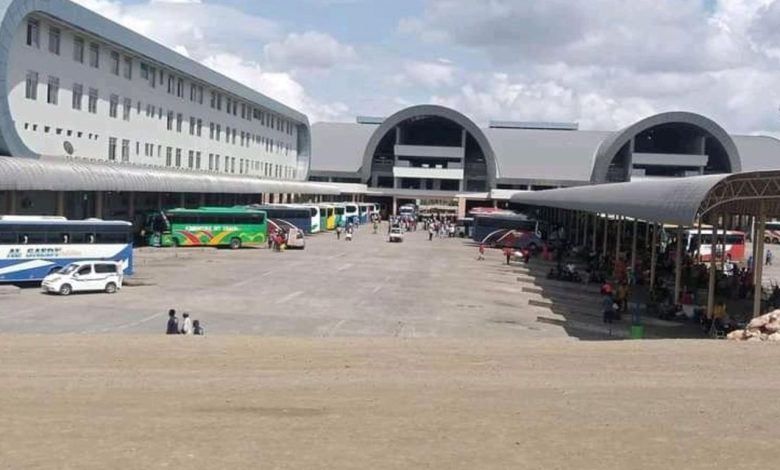
DAR ES SALAAM: THE government’s decision to require all upcountry buses to begin their journeys at Magufuli Bus Terminal in Mbezi is reshaping Dar es Salaam’s transport system.
While the move has raised concerns among passengers, the government has a strong case for centralising intercity bus operations.
The real question is whether the policy can reduce congestion and improve order without transferring excessive costs and inconvenience to ordinary citizens.
The policy is intended to upcountry bus operations, improve traffic management, restore order around former bus stops and ensure full use of a major public investment.
It also creates a more organised environment within the terminal for businesses serving travellers. The logic is clear. Magufuli Terminal was built at significant public cost to function as a major hub for intercity and international buses.
Keeping buses scattered across private terminals makes regulation, scheduling and traffic management more difficult.
The relocation has already eased congestion around Shekilango along Morogoro Road, where buses previously crowded the area while picking up upcountry passengers.
However, moving the buses is only one part of the solution. The other is ensuring passengers can reach Magufuli affordably, safely and on time. For residents of Chanika, Kivule, Mbagala, Temeke, Kigamboni, Gongo la Mboto and Mkuranga, the terminal can be far more difficult to access than the former departure points. Passengers carrying luggage may have to use several vehicles, while those travelling early in the morning or arriving late at night face additional costs and safety concerns.
Magufuli Bus Terminal Manager Isaac Kasebo said the facility can accommodate between 250 and 300 buses, with up to 224 handled at a time. Buses are dispatched throughout the day, with between 20 and 40 leaving at a time. According to him, operators have complied with the directive and businesses inside the terminal are benefiting from increased passenger traffic.
Bus operators have also supported the use of Magufuli, although they want operational challenges addressed. Tanzania Bus Owners Association (TABOA) Chairman Joseph said consultations should have preceded the relocation of private terminals. He warned that without better connections to other parts of the city, passengers could face higher costs and safety risks, particularly at night. His concern is legitimate.
A passenger arriving at Magufuli at 9pm but living in Kigamboni, for example, still has to complete another journey home. The Magufuli trip may be finished, but the passenger’s journey is not.
The financial burden is already evident. Kivule resident Anna Aloyce said travelling from her home to Magufuli can cost up to 25,000/-, depending on the transport arrangement. Prosper Komu of Maji Matitu said he previously paid about 3,000/- for a ride-hailing trip to his preferred terminal in Mbagala. Moving to Magufuli, he estimates, could require several connections costing at least 20,000/-, particularly when carrying luggage.
For Mkuranga resident Tumaini Mnyambi, time is equally important. She deliberately uses buses departing from Mbagala because the location saves both time and money. She said reaching Magufuli for an early-morning departure could take four to six hours depending on traffic and road conditions. Some passengers may even have to travel to Mbezi the previous night and pay for accommodation.
Other passengers report similar concerns. Kinondoni resident Perpetua Mushi said she spent about 18,500/- travelling after being directed away from Shekilango, compared with roughly 5,000/- previously. Chanika resident Juma Mohamed said the journey from Magufuli to Chanika can cost more than 30,000/-. A spot check of ride-hailing fares showed that Chanika-to-Magufuli trips could cost about 20,500/- by motorcycle, 30,000/- by three-wheeler and up to 55,000/- by car.
These figures show why the debate should not be framed as opposition to Magufuli Terminal. The government is right to insist that a major public investment should be fully utilised. It is also reasonable to centralise buses where regulation, security and traffic management can be improved.
ALSO READ: Bus operators heed govt order, shift to Magufuli Terminal
Regional Commissioner Albert Chalamila gave operators using unpermitted private terminals six days to relocate, saying the move would restore order and protect the city’s image. He also noted that the government had invested billions in the terminal and that additional satellite terminals are planned for Temeke and Bunju.
The next step, therefore, should be to strengthen the transport network linking Magufuli with the rest of Dar es Salaam.
Reliable daladala and rapid-transit connections are needed, particularly during early morning and late-night hours. Fares must remain affordable, while passenger safety must be prioritised. Satellite terminals could eventually reduce the distance many residents have to travel to Mbezi.
The government’s decision is therefore justified, but its success should be measured beyond the number of buses relocated. The key questions are simple: How much will passengers pay? How long will they spend reaching the terminal? And will they be safe?
If centralisation reduces congestion and disorder at the Magufuli Terminal, the policy will deliver its intended benefits. But if passengers are forced to spend tens of thousands of shillings and several additional hours simply to reach the terminal, the burden of reform will have been shifted from operators to citizens.