Local mining suppliers get NMB backing to advance Dira 2050
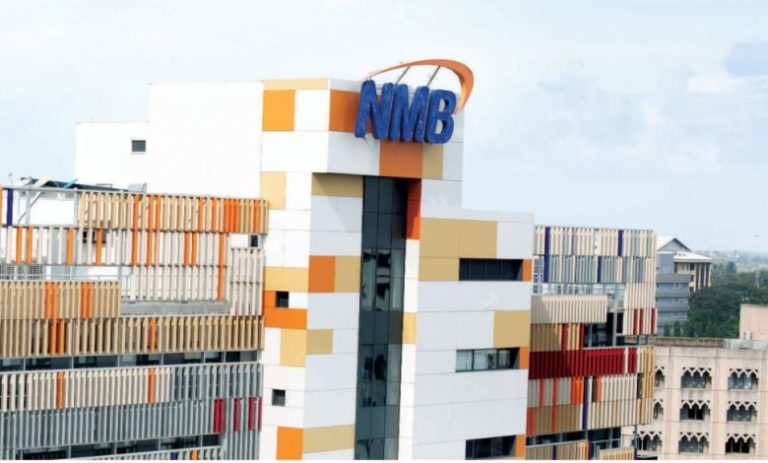
DAR ES SALAAM: NMB Bank is expanding support for local mining suppliers to help them overcome financing constraints and capture opportunities in growing mining industry, in line with the country’s ambitions for inclusive economic growth under Development Vision 2050 (Dira 2050).
The bank is pursuing this goal through a five-year partnership with the Tanzania Mining Industry Suppliers Association (TAMISA), which seeks to connect domestic businesses with financing, financial literacy, business advisory services and capacity-building support.
The initiative addresses a key challenge in Tanzania’s local-content agenda: ensuring that growing mining investment translates into business opportunities for Tanzanian enterprises, rather than leaving local suppliers unable to compete because of limited capital and operational capacity.
NMB Chief of Retail Banking, Filbert Mponzi, said access to capital remained a major obstacle for service providers seeking to benefit from opportunities created by the country’s local-content framework.
“Access to capital has been the main obstacle for many service providers. Through this MoU, NMB is ready to provide the financing and support needed to strengthen their businesses,” said Mr Mponzi.
Under the agreement, TAMISA members can submit business projects to NMB for assessment. The bank will consider qualifying projects for financing under its lending criteria and provide financial solutions tailored to the mining supply chain.
For local suppliers, access to appropriate financing can determine whether they can purchase materials, mobilise equipment, pay workers and fulfil orders before receiving payments from clients.
Businesses may have the technical expertise to deliver contracts but still struggle to compete when they lack sufficient working capital. Addressing this gap is important as Tanzania seeks to strengthen domestic enterprises and widen participation in productive sectors under Dira 2050.
The vision places emphasis on economic transformation, privatesector development and employment creation, making access to finance an important consideration in enabling businesses to grow and participate in expanding markets.
Mr Mponzi said NMB had strengthened its mining-focused services, including establishing a dedicated desk for suppliers and service providers across the mining value chain. The bank also extends more than 200bn/- in monthly lending to entrepreneurs and businesses, he added.
However, financing alone may not be enough to help smaller suppliers compete for mining contracts. Businesses also need sound financial records, realistic business plans, effective cash-flow management and the ability to meet buyers’ requirements on quality, pricing and delivery.
Recognising these challenges, the NMB-TAMISA partnership will also provide supplier clubs, seminars, financial literacy programmes, business training, financial management and advisory services, market information and capacity-building support.
These interventions are intended to help members improve their creditworthiness, understand financing requirements and prepare to pursue procurement opportunities.
Combining access to potential credit with business development support could help suppliers strengthen their operations and improve their readiness to serve mining companies. The commercial opportunity is substantial.
TAMISA Marketing and Investment Committee Chairperson Dr Sebastian Ndege, representing association chairperson Peter Kumalilwa, said five mines alone spent more than 5.3tri/- on procurement in 2025.
“With two additional mines now in operation, that figure could rise to 6tri/- next year,” said Dr Ndege. The projection points to a potentially expanding market for Tanzanian businesses supplying goods and services to mining operations.
These opportunities can extend beyond direct mineral production to areas such as transport, equipment, maintenance, construction, catering and other professional services. Nevertheless, rising procurement expenditure does not automatically translate into greater participation by local businesses.
Suppliers must demonstrate the financial strength, technical capacity and reliability required to deliver contracts, often while managing significant upfront costs.
NMB’s partnership with TAMISA seeks to address some of these barriers by creating a channel through which suppliers can present their business projects for assessment while accessing support to improve their commercial readiness.
Financing remains subject to the bank’s lending criteria, and participation in the programme does not guarantee credit or procurement contracts. The initiative comes as mining continues to make a significant contribution to Tanzania’s economy.
ALSO READ: NMB share split: A welcome move for capital market
Mineral exports reached about 5.4 billion US dollars in 2025, while the sector accounted for close to 12 per cent of gross domestic product. Such performance highlights the importance of ensuring that mining growth generates opportunities beyond the companies directly involved in extraction.
A stronger domestic supply chain could spread economic benefits through enterprise development, employment and demand for supporting services. For Dira 2050, the wider challenge is to translate investment and expanding economic activity into stronger domestic businesses and sustainable jobs.
Local suppliers that can compete successfully for mining contracts have the potential to reinvest in their operations, employ more people and develop capabilities that can serve other sectors of the economy.
TAMISA estimates that the partnership could support up to one million jobs over five years through the growth of supply businesses, professional services and miningrelated contracts.
The figure is an association projection rather than a guaranteed outcome, with actual employment gains depending on businesses securing contracts, obtaining suitable financing and expanding sustainably.
For NMB, the agreement provides a structured approach to extending financial services to enterprises serving the mining industry. For TAMISA members, it offers an opportunity to seek financing and strengthen the business capabilities required to compete in a demanding market.
Ultimately, the partnership’s contribution to Dira 2050 will depend on whether it helps more Tanzanian businesses overcome financing constraints, win procurement contracts, expand operations and create sustainable employment.
By linking potential financing with business advisory and capacity-building support, NMB and TAMISA are seeking to strengthen the domestic supply chain behind Tanzania’s mining sector.