Journalists urged to embrace climate change reporting
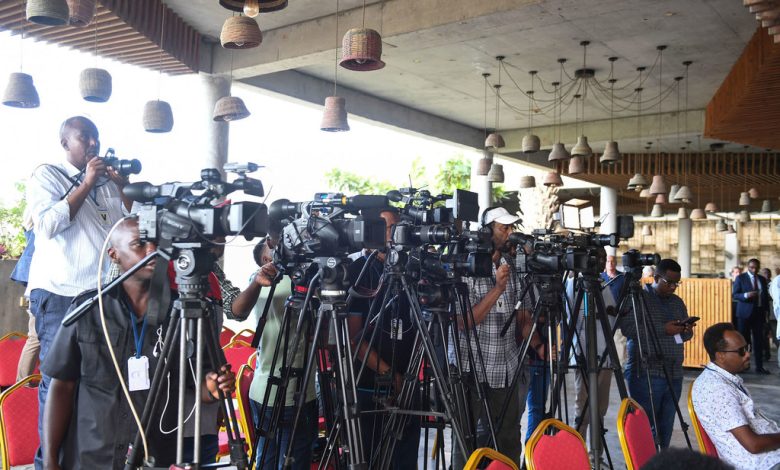
DAR ES SALAAM: JOURNALISTS have been urged to see themselves as climate change reporters, rather than waiting for disasters such as floods to cover the issue.
They were also encouraged to practice constructive journalism that provides the public with the information needed to make informed decisions on climate-related matters.
Training and Communication Editor at the Thomson Foundation, Ms Catherine Mackie made the call yesterday in Dar es Salaam during a Media Stakeholder Reflection Dialogue on Climate Change Reporting, organized by the Media Council of Tanzania in collaboration with Wajibika.
Ms Mackie, a former BBC journalist and creator of the Climate Change Media Toolkit in Tanzania, emphasised that climate change is a long term reality requiring consistent and inclusive coverage.
“Every journalist in the newsroom is an environment reporter. Keep stories engaging. Newsrooms should pool resources to cover climate issues effectively. In a world of increasingly polarized news, professional journalism must stand out by telling untold stories and building partnerships to make them compelling,” she said.
Martha Fatael, who reported on COP30, underscored the need for a dedicated climate change fund to support journalists in raising public awareness.
She noted that many rural communities she interviewed lacked understanding of climate change and its relevance to their daily lives.
“Most people viewed climate change and COP30 as distant international issues with no direct connection to them. I had to localise the stories to demonstrate how these issues affect everyday life,”
ALSO READ: Sharpening the watchdogs: Training Zanzibar journalists on parliamentary reporting
she explained, warning that failure to do so could result in more severe impacts in the future. Veteran Journalist, Mr Rashid Kejo urged journalists to shift from event-based reporting to more analytical and in-depth coverage.
“Journalists need to specialise and analyse issues rather than simply report events. They should be versatile, gather information comprehensively, and allow editors to determine how best to use the content,” he said.
Climate change is already affecting Tanzania through rising temperatures, erratic rainfall, water scarcity, and threats to agriculture and biodiversity.
In response, the government has introduced initiatives such as the Climate Change Strategy and the National Adaptation Plan to strengthen resilience in key sectors, including agriculture, water, health, and energy.
The Tanzania Development Vision 2050 also prioritises climate resilience and sustainability, aiming to empower communities, enhance adaptive capacity, and protect ecosystems for a sustainable and prosperous future.