Investing in health, investing in growth: Tanzania champions sustainable health financing

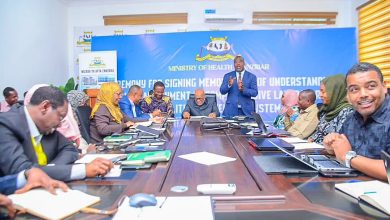
DAR ES SALAAM: WHILE the recent Southern African Development Community (SADC) meeting in Harare from June 2026 to July 3, 2026, concentrated on health financing, it also highlights a larger economic trend: Health is rapidly emerging as one of Africa’s primary new areas for investment.
For the first time together, ministers responsible for finance and health discussed sustainable health financing and universal health coverage. A clear message emerged health is no longer just a social expense.
It is now seen as a strategic investment that can boost economic growth, generate jobs, support industries and attract long-term investment.
Tanzania, known as a regional leader in sustainable health financing, faces implications that go well beyond just enhancing hospitals and healthcare access.
Its leadership offers an opportunity to attract substantial investment in areas such as healthcare infrastructure, pharmaceutical production, medical technology, health insurance, digital health and logistics.
A key immediate opportunity exists in healthcare infrastructure. Numerous Southern African countries still face shortages of hospitals, diagnostic centres, specialised treatment facilities, laboratories and primary healthcare centres, especially in rural areas. Filling these gaps will demand billions of dollars in new investments in the years ahead.
This opens up opportunities for public-private partnerships, pension funds, development finance institutions, infrastructure investors and private healthcare providers to finance and operate modern healthcare facilities. These facilities can enhance service delivery while also offering sustainable financial returns.
The pharmaceutical sector offers a promising investment opportunity. SADC relies heavily on importing medicines, vaccines and medical consumables, which makes countries vulnerable to supply chain issues, currency fluctuations and increasing import expenses. Boosting local pharmaceutical production could turn these challenges into a driver for industrial growth.
Tanzania, with its strategic location, improving transport infrastructure, expanding energy supply and access to regional markets through the African Continental Free Trade Area (AfCFTA), is well placed to become a regional pharmaceutical manufacturing hub.
Investment in medical production, vaccine manufacturing, packaging and medical supplies would strengthen health security, create skilled employment and reduce dependence on imports.
Health financing reforms also offer significant opportunities for the financial sector. As nations aim to lower out-of-pocket health expenses and broaden financial coverage, there will be increasing demand for innovative health insurance options, digital payment systems and healthcare financing solutions.
Banks, especially DFIs, insurance companies, fintech firms and mobile network operators can create cost-effective health savings products, micro-insurance plans, premium collection systems and digital claims platforms. These solutions improve financial inclusion and promote universal health coverage.
Technology is expected to become a key driver of investments. The Covid-19 pandemic pushed forward the use of telemedicine, electronic health records, artificial intelligence, digital diagnostics and remote patient monitoring. However, these innovations are still in early stages in much of Southern Africa, offering substantial opportunities for tech firms, software developers, telecom providers and venture capitalists.
Tanzania’s expanding digital infrastructure and commitment to digital transformation provide a strong foundation for attracting investment in health technology that can improve efficiency, reduce costs and expand access to healthcare services.
Medical logistics and supply chain management are rapidly growing markets. Effective health systems rely on dependable distribution of medicines, vaccines, lab supplies and medical equipment. Investing in cold-chain logistics, pharmaceutical warehouses, transportation networks, inventory systems and regional distribution centres can greatly enhance supply reliability and generate profitable business opportunities.
Tanzania’s ports, Standard Gauge Railway and strategic position as a gateway to several landlocked countries offer a competitive advantage to companies seeking to serve regional healthcare markets.
Human capital development presents major investment opportunities. Achieving Universal Health Coverage depends on a skilled health workforce. Growing medical schools, nursing colleges, technical training centres, specialist hospitals and research facilities creates opportunities for educational institutions, investors, philanthropic groups and development partners. Investing in healthcare education enhances service quality and boosts long-term productivity and economic competitiveness.
The discussions in Harare further highlighted the growing importance of regional cooperation in health financing. One proposal gaining traction is regional pooled procurement of medicines and medical supplies.
Such an initiative could create larger and more predictable markets for pharmaceutical manufacturers while reducing procurement costs for governments. Investors who establish production facilities within the SADC region would benefit from economies of scale, improved market access and growing regional demand.
Climate resilience is creating an entirely new investment frontier within healthcare. Increasing droughts, floods, cyclones and disease outbreaks are placing greater pressure on health systems across Southern Africa.
Governments will require investments in climate-resilient hospitals, emergency response systems, disease surveillance technologies, renewable energy for health facilities and resilient water and sanitation infrastructure. Green finance institutions, climate funds and impact investors are therefore likely to find expanding opportunities in climatesmart healthcare infrastructure.
Development Finance Institutions (DFIs) are anticipated to be key players in mobilising the long-term capital needed for these investments. Organisations like the African Development Bank, Afreximbank, the International Finance Corporation, the Development Bank of Southern Africa and national development banks can offer concessional financing, guarantees, blended finance and technical assistance. These support mechanisms help lower investment risks and encourage private sector participation.
ALSO READ: SADC inaugurates a joint procurement service for medicines, health commodities
For Tanzania, these developments align closely with the objectives of Vision 2050, which seeks to build a competitive, industrialised, knowledge-based and inclusive economy. Health financing reforms should therefore not be viewed solely through the lens of public expenditure but also as a catalyst for industrial development, innovation, private sector growth and employment creation.
Every investment in hospitals, pharmaceutical manufacturing, digital health, logistics, medical education and health insurance contributes to stronger human capital and a more productive workforce capable of supporting long-term economic growth.
Perhaps the most important lesson emerging from the Harare meeting is that sustainable health financing is no longer simply about finding resources to pay for healthcare, it is about creating an investment ecosystem that generates both social and economic returns.
Countries that successfully attract investment into their health sectors will not only improve health outcomes but also strengthen domestic industries, increase exports, stimulate innovation and enhance economic resilience.
By viewing health as a productive investment rather than a recurring expense, Tanzania’s leadership in promoting sustainable health finance positions the nation to attract strategic investment, bolster human capital and drive inclusive economic growth.
SADC’s long-term prosperity will depend not only on higher health spending but, more crucially, on governments’ capacity to mobilise sustainable public and private investment to create resilient, creative and financially viable health systems.