Tanzania intensifies supervision of accident, and critical care services in Arusha
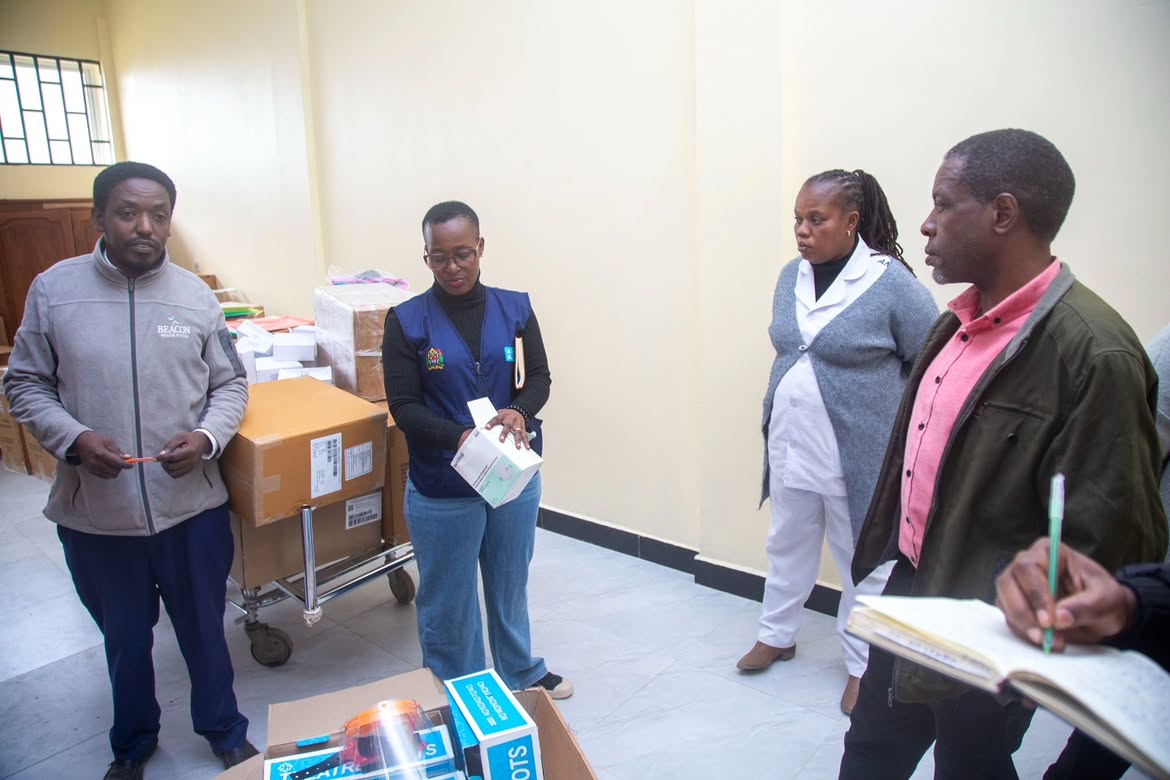
ARUSHA: THE Ministry of Health, through the Department of Emergency and Disaster Management, in collaboration with the Prime Minister’s Office – Regional Administration and Local Government (TAMISEMI) and CIHEB Tanzania under the Global Health Security Project, has conducted a joint supportive supervision exercise to strengthen emergency, accident, and critical care services at Oltrument District Hospital in Arusha Region.
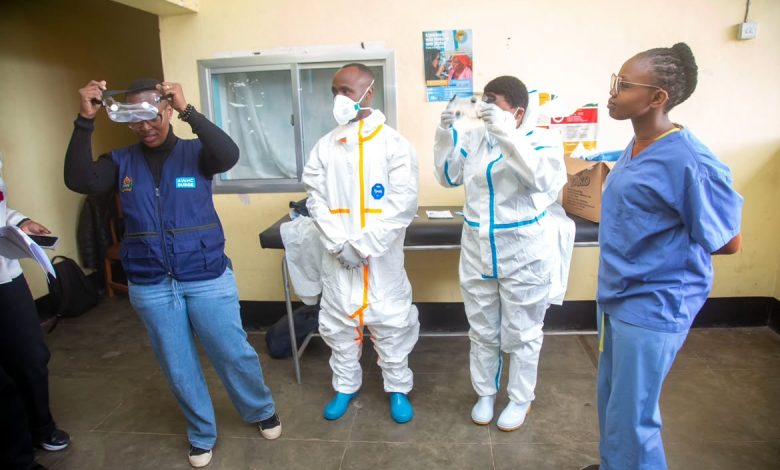
The exercise also aims to enhance the hospital’s preparedness and response capacity against disease outbreaks, particularly Ebola, through improving healthcare delivery systems and strengthening the skills and capacity of health workers.
During the exercise, experts from the Ministry of Health, TAMISEMI, and CIHEB Tanzania worked closely with healthcare providers from the Emergency Medical Department (EMD), Intensive Care Unit (ICU), ambulance services, and other departments involved in emergency care delivery at the hospital.
The joint supportive supervision involves practical workplace training, assessment of existing healthcare services, and provision of technical guidance aimed at improving the ability of health workers to respond effectively to various health emergencies and public health threats.
ALSO READ: WHO official urges African nations to unite for stronger health security
Speaking during the exercise, the experts said the initiative is part of ongoing efforts to strengthen emergency healthcare systems in Tanzania by ensuring health facilities have the capacity to provide timely, safe, and quality care to patients requiring emergency treatment and critical care services.
Besides enhancing the skills of healthcare workers, the exercise has provided an opportunity for professionals to exchange experiences, strengthen implementation of national emergency care guidelines, and improve infection prevention and control measures.
The Ministry of Health emphasized that joint supportive supervision initiatives are essential in building the capacity of hospitals to respond to disease outbreaks, including Ebola, while strengthening the resilience of the country’s healthcare system in managing emergency situations.