How one bag of blood can become five lifesavers
MWANZA: IT might sound odd, but the colour of your urine could be telling you more than you think, particularly about your blood health.
If you have noticed your urine turning light-yellow or even brownish like chocolate, it might not be just dehydration.
According to health experts at Bugando Zonal Referral Hospital in Mwanza, this can be a signal that your red blood cells have expired and are being flushed from your system.
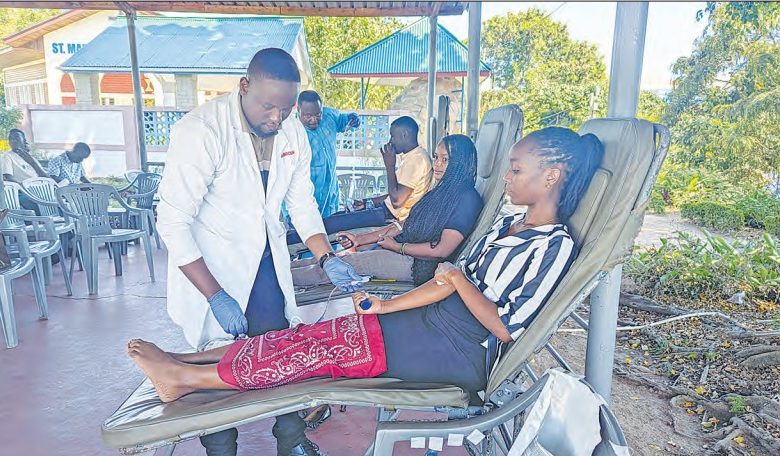
During a recent World Blood Donation campaign, experts gathered to educate the public about the importance of regular blood donation, not just for those receiving it, but for those giving it as well.
Turns out, blood is not just about pumping through veins.
It is about renewal, balance and a deeply intertwined system that, when managed well, keeps the body thriving.
Mr Isaya Malisa, Senior Blood Laboratory Scientist at Bugando, explained that red blood cells (RBCs) in the human body live for approximately four months.
White blood cells (WBCs) stick around for about 35 days, while platelets last about 28 days.
Once expired, these cells are destroyed by the liver and partially recycled particularly RBCs, which are rich in calcium and iron, to help generate new cells.
When this process becomes inefficient due to poor diet, illness, or underlying chronic conditions the body might show signs through abnormal urine or stool colour, such as greenish or brownish stool.
Think of these signs as polite red flags: the body’s way of saying, “Hey, something’s off.”
According to the experts, one of the simplest ways to support red blood cell production is through diet.
A balanced meal with a high intake of fruits and vegetables can go a long way in promoting blood health.
These natural sources are packed with the vitamins and minerals your body needs to regenerate healthy blood cells, especially iron, folic acid and vitamin B12.
For many people, especially those with chronic conditions like sickle cell disease, blood cancers and kidney complications, blood transfusions are not optional.
These individuals rely on donated blood products to survive.
“Without regular transfusions, their lives are at risk,” said Mr Malisa.
ALSO READ: Bank launches nationwide blood donation drive to combat blood shortage
“These patients require very specific blood components, depending on the nature of their condition.”
So, what happens to your blood once it’s donated? Quite a lot, actually.
First, the blood is placed into a specialised machine to separate it into its major components: red blood cells, white blood cells, platelets, fresh frozen plasma (FFP) and a category called “whole blood,” which remains unprocessed.
Mr Revelian Nyanda, another laboratory scientist at Bugando, explained that this process allows doctors to tailor transfusions based on what the patient actually needs.
For example: Platelets help the body form clots, which is essential for trauma victims or burn patients who’ve lost this vital blood component. FFP, a milky white fluid, is also used to help blood clot and is often given alongside platelets.
Whole blood is primarily used in major trauma cases involving extreme blood loss, such as serious road accidents.
After initial stabilisation, doctors can then determine which specific blood components are needed for further treatment.
Of all the blood components, red blood cells are the most in-demand.
That’s because they have several essential functions beyond simply transporting oxygen from the lungs to the rest of the body.
They also deliver glucose, hormones and iron, among other necessities, to tissues throughout the body.
“That’s why we always stress balanced diets,” reiterated Mr Malisa.
“Without proper nutrition, your body can’t produce the RBCs it so desperately needs.”
How much blood is needed? At Bugando Hospital alone, the daily demand ranges from 100 to 120 units of blood.
That’s not a small number. Which is why the hospital regularly encourages members of the community to roll up their sleeves and donate.
The good news? The process is simple. It takes less than 10 minutes and causes minimal, if any, pain.
According to Mr Nyanda, men can donate blood up to three times per year, while women due to menstrual blood loss should donate at least twice annually.
Who can and can’t donate Eligible donors must be: Aged 18–65 years; free from chronic conditions such as HIV/AIDS, tuberculosis, asthma, cancer, hepatitis, sickle cell and acute anaemia; not pregnant or recovering from any surgery (as surgeries can interfere with long-term blood production).
Why the cut-off at 65 years? According to experts, blood production slows with age.
In older individuals, only the bone marrow actively produces blood, while younger people benefit from support from organs like the liver and spleen.
The hidden perks of donating blood
Donating blood doesn’t just help others, it helps you too.
All blood donors receive a free health screening, which can uncover underlying issues such as high blood pressure, anaemia, or even infectious diseases.
Mr Nyanda shared that some people learn they have hidden health problems only after donating blood.
Others discover they had too much blood, which can cause symptoms like headaches and dizziness.
Yes, too much blood can be a bad thing, just like too little.
How Bugando sources its blood
Bugando Hospital doesn’t wait for donors to show up, it goes out and finds them.
Here, the staff routinely visit Colleges and universities, religious institutions, public markets, community events and exhibitions, patient relatives within the hospital.
Despite these efforts, awareness around blood donation remains low.
The hospital is intensifying public education efforts, thanking institutions like Saint Augustine University of Tanzania (SAUT) for consistently supporting campaigns.
One such supporter is Safina Elikana, a second-year student pursuing a Bachelor of Arts in Public Relations and Marketing at SAUT.
She pledged to continue donating blood as part of her civic duty.
“Expectant mothers, children, accident victims they need our help. Public education should be continuous,” she urged.